Vertical Garden Systems for Small-Space Growers: Efficient Solutions for Urban Gardening
This post may contain affiliate links. If you purchase through them, I may earn a small commission at no extra cost to you. As an Amazon Associate, I earn from qualifying purchases.
Gardening in small spaces can be challenging, especially when we want to grow more plants than our area allows. Vertical garden systems offer a way to use wall space or balconies to grow herbs, flowers, or even vegetables in tidy rows. These systems are designed to stack plants up instead of spreading them out, letting us make the most of every inch.
5 Quick-Start Garden Plans for Growing Fresh Food at Home (Free PDF)
Get beginner-friendly raised bed garden layout plans, simple container garden ideas, and a flexible salad garden plan you can put to work right away. Perfect for small spaces, patios, and first-season growers.
Instant email delivery • Unsubscribe anytime
There are many types of vertical garden systems, such as pocket planters, stackable pots, and wall-mounted panels. Some systems are simple fabric hangers, while others use sturdy plastic or metal construction. We find that each type offers different advantages, depending on whether we want an indoor display or an outdoor garden.
When shopping for a vertical garden system, we pay attention to a few things. Drainage is important, so plants don’t get waterlogged. The system’s size and mounting method must fit our space. We also look at material quality, as stronger materials last longer and support plant weight. With these points in mind, we tested several vertical garden systems to see which ones are best for small-space growers.
Want to Grow Fresh Food at Home?
Grab the Beginner’s Guide to Thriving Gardens—your step-by-step plan to grow real food in any backyard, patio, or balcony. Perfect for first-time gardeners!
Buy the Ebook for $14Includes 7 free bonus guides • Instant download • Beginner-friendly
Best Vertical Garden Systems for Small-Space Growers
We have selected the top vertical garden systems for small-space growers. These picks help make the most of limited areas, allowing us to grow more plants even when space is tight.
Ahopegarden Indoor Hydroponics Garden Kit

Anyone looking for a simple, space-saving way to grow herbs or small veggies indoors all year should consider this kit.
Pros
- Very easy setup and operation
- Adjustable LED grow light fits plant growth
- Water level window is handy
Cons
- Takes up a bit more counter space than expected
- Seeds and nutrients not included
- The light timer needs to be started manually
Using the Ahopegarden Indoor Hydroponics Garden Kit, we found the setup quick and straightforward—literally just add seeds, water, and nutrients, then watch things start growing. We like how you can choose different light modes for veggies or flowers and adjust the lamp height as plants sprout taller. The water level window is practical, so we always know when to top up.
With ten pods, we could start a good mix of herbs, greens, and even try a few small flowers. The automatic lighting timer kept things uncomplicated, although it requires us to start the cycle by hand. The unit doesn’t come with seeds or plant food, so we had to purchase those separately, but that gave us control over what we wanted to grow.
While it’s slightly larger than we first thought, it still fits well on most countertops and looks clean and modern. Over a few weeks, we noticed steady, healthy growth. For anyone with limited space who wants fresh greens or herbs without much fuss, the Ahopegarden Indoor Hydroponics Garden Kit has proven effective and user-friendly in our experience.
Homyhoo Potato Grow Bags

For anyone looking for a straightforward and portable way to grow vegetables in limited spaces, these grow bags are a practical choice.
Pros
Want to Grow Fresh Food at Home?
Grab the Beginner’s Guide to Thriving Gardens—your step-by-step plan to grow real food in any backyard, patio, or balcony. Perfect for first-time gardeners!
Buy the Ebook for $14Includes 7 free bonus guides • Instant download • Beginner-friendly
- Breathable fabric keeps roots healthier
- Handles and light weight make moving simple
- The flap lets us check or harvest crops without digging
Cons
- Handles may rip if bags are too full
- Not ideal for heavy loads
- Flap can be awkward for harvesting
We used the Homyhoo Potato Grow Bags in our small backyard, and they made it much easier to start a vegetable garden. The sturdy, breathable material really does help with drainage and keeps our plants’ roots from getting too wet.
The built-in handles are handy for moving the bags, though we noticed they can struggle under heavier weight, so we try not to fill them all the way. Having the harvest window is great—it allows us to peek at the crop or grab a few potatoes, but sometimes it doesn’t open wide enough for a full harvest, making us tip the bags out at the end.
These bags are simple to fold and store when not in use, which saves a lot of space. They worked best for potatoes and carrots in our experience and held up well through a full season. For small-space growers, we think this is a straightforward solution that avoids the hassle of traditional garden beds.
TOUTEK 6-Layer Hydroponic Tower Garden
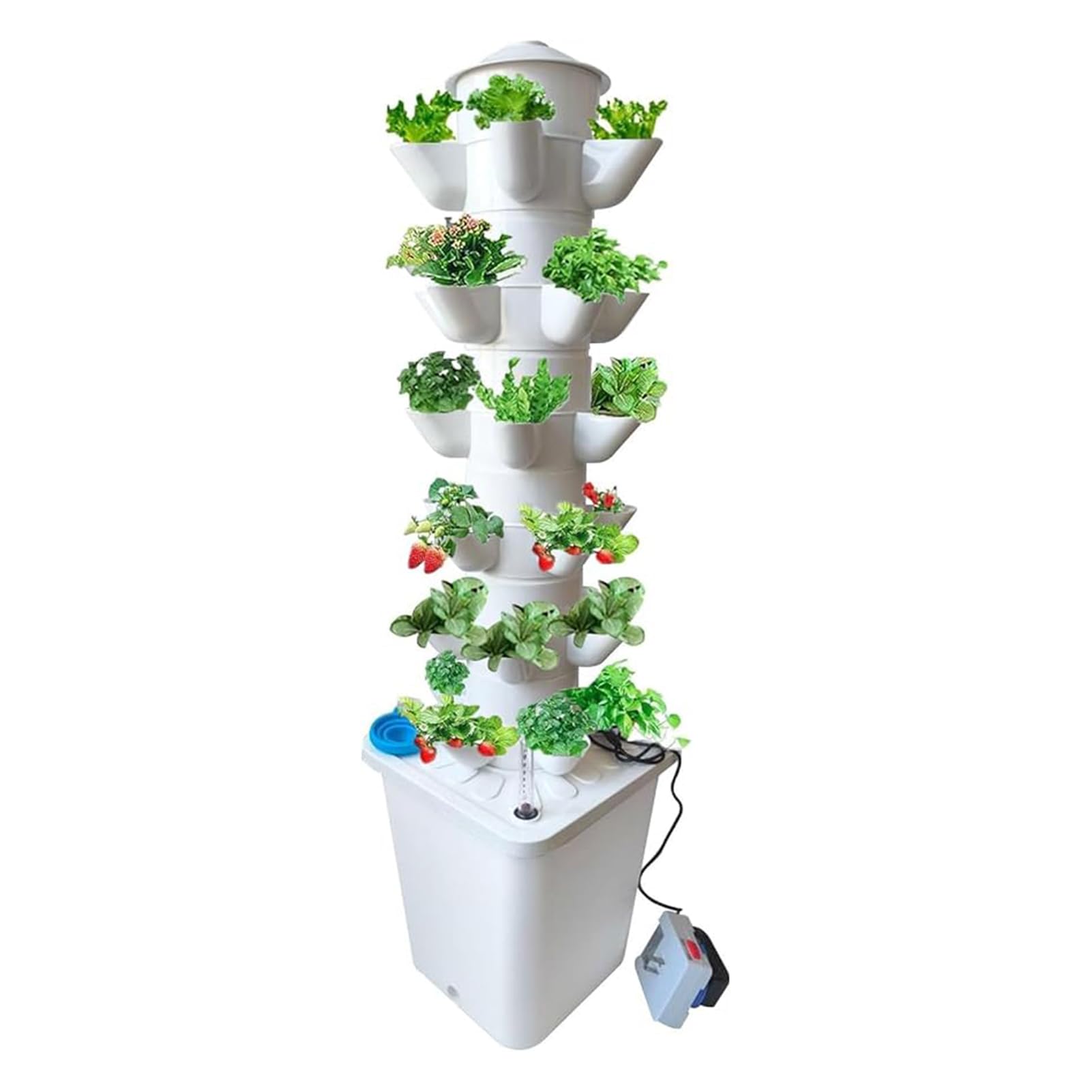
This vertical hydroponic garden is a handy solution for anyone wanting to grow more in less space.
Pros
- Moves easily and fits well in small spaces
- Simple setup with a straightforward timer
- Grows up to 30 plants at once
Cons
- Seeds and plant food not included
- Spacing between pods could be better
- Could be taller for even more growing room
Setting up the TOUTEK tower feels refreshingly simple. We didn’t need any special tools, and the whole unit was light enough to move around without help. The small footprint allowed us to find a spot in the kitchen, and the vertical design helped maximize our growing area.
Once filled, the pump and timer system worked well. After a quick setup, the automatic cycle kept the water flowing, so we didn’t have to watch it constantly. We found it convenient to change the timer to suit how much sun or shade our plants got each day.
The most satisfying part was seeing our herbs, lettuce, and strawberries get off to a strong start. However, the pod spacing sometimes made it tight for leafy greens, and we wished seeds came included. Despite that, we were able to grow a surprising amount in a neat, tidy space. For a straightforward introduction to small-space hydroponics, this tower is easy to recommend.
Ahopegarden Indoor Hydroponics Kit

This smart indoor garden kit is an easy choice for anyone who wants to enjoy fresh herbs and veggies indoors without hassle.
Pros
- The LCD touchscreen makes operation simple even for beginners
- Adjustable height lets us grow a variety of plants without worrying about light burn
- The water pump runs quietly and keeps roots healthy
Cons
Want to Grow Fresh Food at Home?
Grab the Beginner’s Guide to Thriving Gardens—your step-by-step plan to grow real food in any backyard, patio, or balcony. Perfect for first-time gardeners!
Buy the Ebook for $14Includes 7 free bonus guides • Instant download • Beginner-friendly
- The seed kit is a bit basic—extras like plant markers aren’t included
- The single-level design limits how much we can grow at once
- The touchscreen is responsive but might concern those wary of tech after previous experiences
Using the Ahopegarden hydroponics kit, we’ve found it really delivers on both design and functionality. The modern, compact build fits well even in small apartments and looks stylish. Setting it up took only a few minutes, and the touchscreen is surprisingly easy to navigate.
Growing twelve plants at one time—like lettuce, basil, and tomatoes—offers flexibility. We noticed germination started in only a couple of days. The dual light modes help plants stay healthy, and the adjustable height is helpful when taller veggies start reaching for the light.
Watering is almost hands-off thanks to the 5-liter tank and quiet pump system. Maintenance is minimal. Anyone can harvest fresh greens without any mess since it’s all soil-free. While we would appreciate a few more included accessories, like extra plant sponges or labels, the growing experience itself is smooth and reliable.
GARDENCUBE Indoor Hydroponics Garden Kit

For anyone who wants to grow herbs or veggies indoors without much hassle, this kit is a good solution for small spaces.
Pros
- Sets up fast and doesn’t make much noise
- Grows greens and herbs much quicker than soil
- Adjustable light helps plants get more even growth
Cons
- Water pump can suddenly stop working after several months
- Limited number of pods means less variety or quantity
- Not ideal for extra-large plants
We found the setup process with the GARDENCUBE system to be quick and simple. There’s no need to buy pots or trays, and we didn’t have to figure out complex instructions. Once it was running, the automatic light and timer made it easy—we could just watch herbs and lettuce come up fast.
The adjustable LED light tower made a noticeable difference. We could grow basil, lettuce, even small tomatoes without worrying about light reaching every pod. Checking the water level wasn’t a guessing game, either—the visible window helped us keep the right amount of water in the tank.
A downside we noticed is the pump can sometimes stop working unexpectedly, especially after a few months of use. The unit is also compact, so it won’t hold a wide variety of plants at once. Despite these points, we enjoyed growing fresh greens indoors while barely noticing any noise from the water system. For small homes or apartments, this is one of the easiest garden kits we’ve tried.
DPROOTS Hydroponic Tower Garden
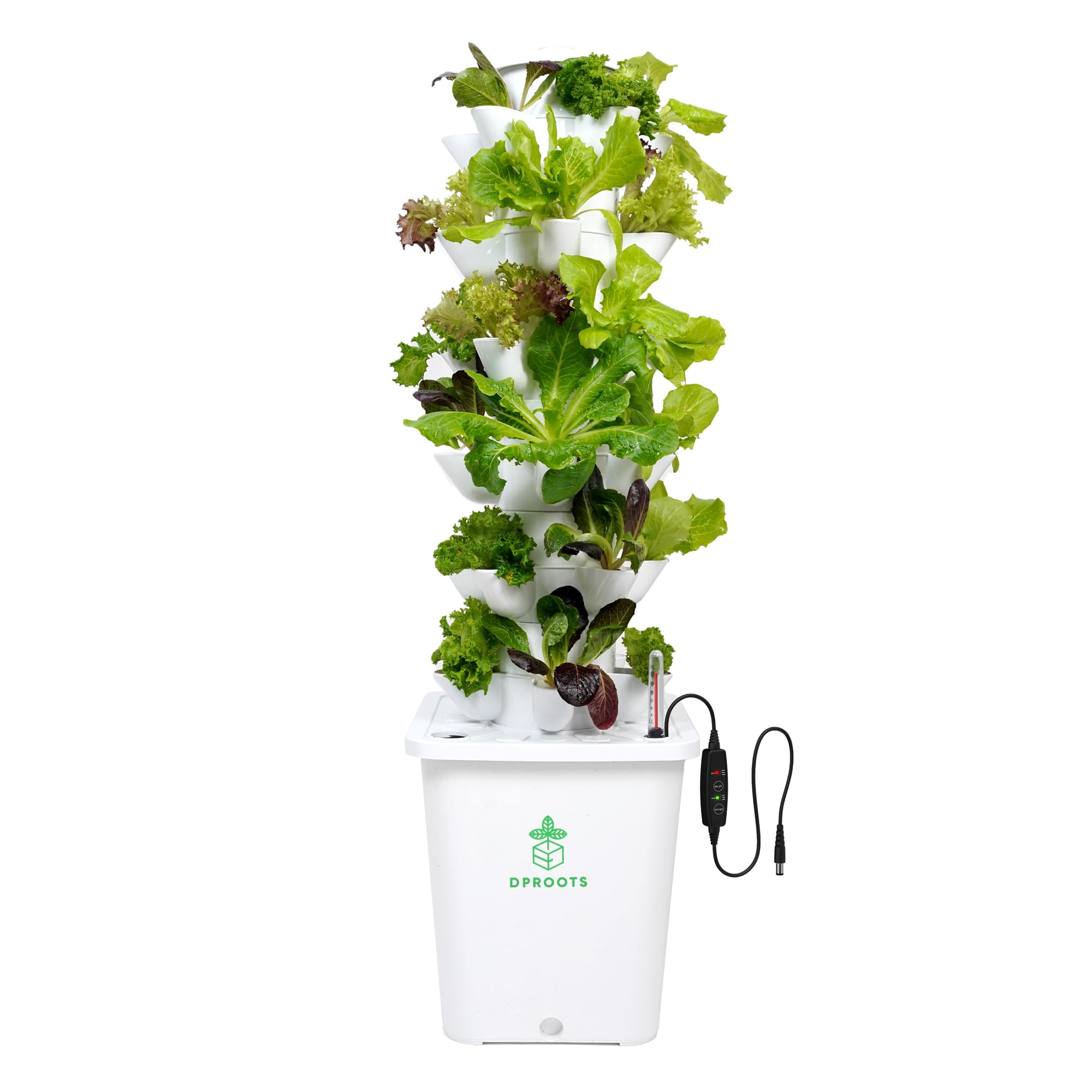
If we need a vertical garden system for growing lots of plants in a very small space, this one is worth considering because it makes the most of every inch.
Pros
- Lets us grow up to 30 plants in only one square foot
- Easy to check and refill water with a clear gauge and funnel
- Assembly and cleaning are quick thanks to the modular system
Cons
- The plant pods are close, so large vegetables won’t fit well
- Pump timer isn’t very reliable and can be tricky to set
- Pod size means some supplies run out fast if we plant every slot
When setting up the DPROOTS Hydroponic Tower Garden, we found it simple to put together. The modular pieces clicked into place without any tools, so we finished assembling it in under 10 minutes. Cleaning is also easier than with other towers, since we could take each section apart to rinse and wipe.
This system stands out for squeezing so many plants into such a small area. We managed to get a nice mix of basil, lettuce, and strawberries all growing at the same time in only a little space by the window. There’s a clear water-level gauge and a folding funnel, which made it straightforward to refill and check the water, even when the tower was full.
Although the plants grew well, we noticed the pods are tightly packed. Larger vegetables, like tomatoes, didn’t have enough room to spread. The pump included works, but we sometimes had to double-check the timer, as it didn’t always turn back on. For anyone mainly growing herbs and leafy greens, this system delivers solid results with minimal hassle.
How to Garden Indoors & Grow Your Own Food Year Round

This book is a practical starting point for anyone who wants to master indoor and vertical gardening in a small space.
Pros
- Breaks down vertical and hydroponic gardening in simple steps
- Includes helpful charts and clear plant profiles
- Covers a wide variety of DIY projects for all skill levels
Cons
- Not very detailed about microgreens
- Information about pests can feel overwhelming
- Some sections focus more on general gardening than indoor specifics
If we want to learn how to use vertical space for growing food indoors, this book lays out the basics clearly. The instructions are straight to the point, which makes it easy for us to find what we need—whether it’s setting up a shelf garden or picking the right light.
We noticed plenty of charts and plant profiles, which helped us decide what to grow in tight spots. The layout made sense, and we appreciated the step-by-step projects. However, if we were hoping for a deeper dive into microgreens, the book didn’t give us quite enough guidance in that area.
The pest control tips felt detailed, but some parts made us worry a bit more than expected. Still, the hands-on advice about compost, DIY solutions, and plant choices make this guide a good fit for those who want to get started quickly with vertical gardening indoors. For anyone ready to try growing their own food but unsure where to begin, this is a reliable guide to have on hand.
RRXIMHTT Hydroponics Tower Garden Kit
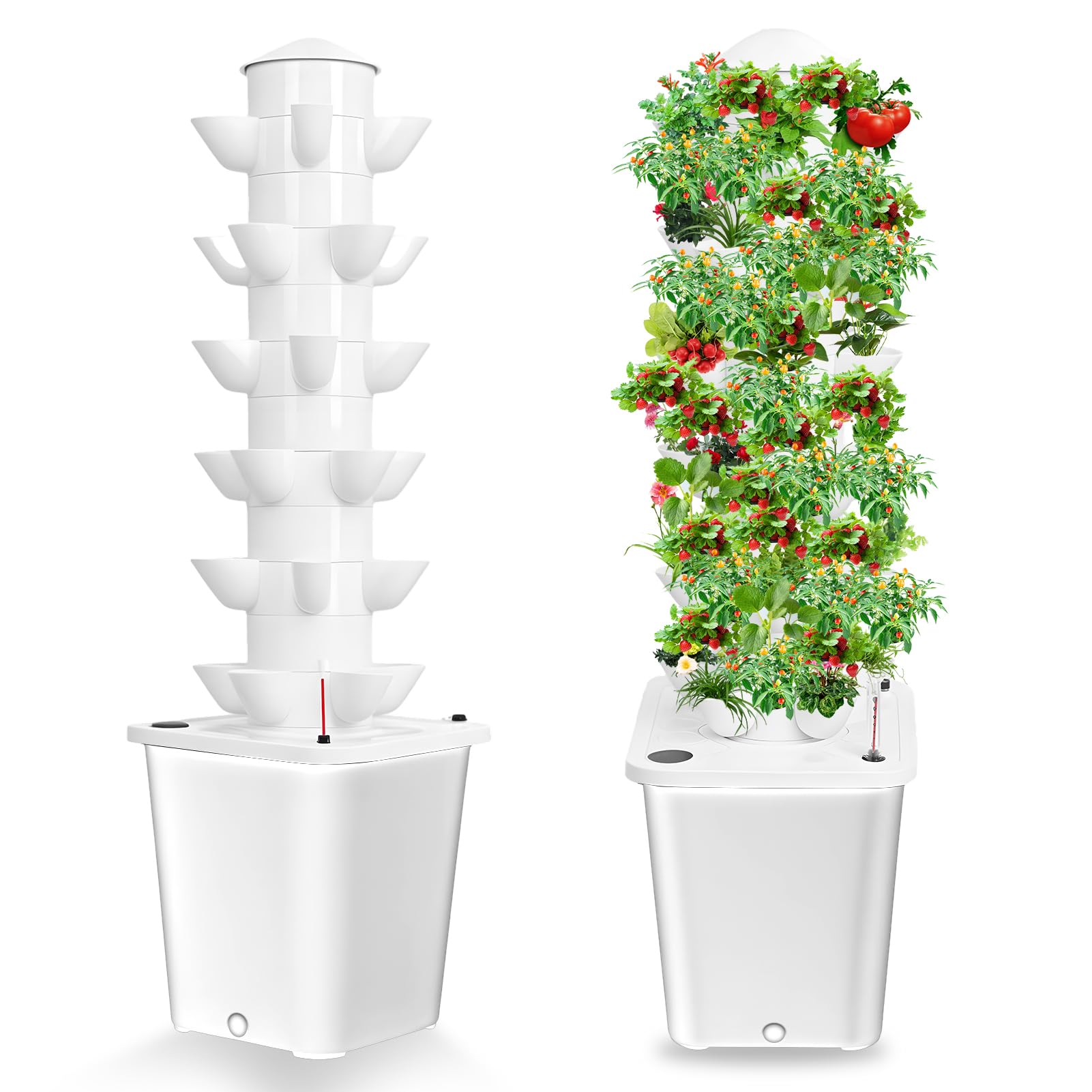
This is a useful vertical garden system for anyone who wants to grow more plants in a tight space with a simple setup.
Pros
- Saves floor space and uses less water
- Self-watering setup means less daily work
- Sturdy build and easy to assemble without tools
Cons
- Must refill water and nutrients regularly
- Needs a power outlet for the pump
- 20 plant limit may be small for some growers
Setting up the RRXIMHTT Hydroponics Tower Garden Kit took only a few minutes, and we didn’t need any tools. The pieces snapped together easily, and the included step-by-step guide was simple to follow. Right away, we noticed how little space it took up, fitting neatly in a corner of the kitchen without crowding our counters.
We liked how the self-watering system kept our herbs and lettuce healthy without daily effort. Once the pump was running, the water recirculated smoothly and the plants got what they needed with almost no mess. Using hydroponics meant no soil to clean up and much less water used than our old pots.
One thing we did need to watch was the water level. Refilling the tank every so often is required, especially when the plants got bigger. Also, the 20-plant capacity worked well for a small household, but anyone hoping for a larger harvest might need a second tower. For a beginner or small family, though, this system makes year-round indoor gardening simple and rewarding.
Mr. Stacky 3 Tier Stackable Garden

If space is tight and we want to grow several plants with minimal fuss, this tiered Mr. Stacky garden is a choice worth considering.
Pros
- Very compact, fits well on small patios or balconies
- Straightforward assembly and stacking
- Watering from the top saves time
Cons
- Sides can miss sunlight if not rotated
- Plastic build may not appeal to everyone
- Plant spots suit smaller species best
Setting up this planter was simple. Each layer locks in without much effort, and it felt sturdy enough once all tiers were stacked. We appreciated being able to water from the top and trust the system to share moisture down to every level—this really cuts down on daily maintenance.
Using the three-tier system, we grew herbs, strawberries, and even a couple of trailing flowers. The design helps us get the most out of a small footprint, and both inside and outside it looks tidy and organized. It worked best when we placed it where all sides got some sunlight, or rotated it now and then to keep growth even.
For anyone needing a way to garden without a yard, Mr. Stacky 3 Tier Stackable Garden offers a convenient option, especially for beginners or renters. The plastic material is light, which helps move it around, but if we want something more rugged-looking, we might look for a different style. Overall, it’s a practical system that fits lots of plants into a small area.
VIVOSUN Stackable 5-Tier Vertical Planter

This is a solid pick for anyone wanting to grow a lot of small plants in a tight spot without much hassle.
Pros
- Stacks vertically to save lots of floor space
- Material is tough; planter feels steady when filled
- Hanging or table setup is flexible for most small areas
Cons
- Pots are smaller than some plants may need
- Drainage could definitely be better, especially in wet places
- Gets heavy and bulky when fully stacked
We used this VIVOSUN planter for strawberries and herbs, and it made it simple to organize everything in one place. The vertical stack really saves room. For tiny balconies or a kitchen corner, it fits in without taking up valuable space.
The plastic is thick enough to last, but still light until you fill it. Some of us liked the hanging option, while others preferred it sitting on a table. Either way, assembly was quick and it felt stable right away.
One area we had to watch was watering. If you live somewhere rainy or overwater by accident, expect the bottom tier to collect a lot of excess water. We needed to drill a few extra holes to avoid soggy roots. For plants with longer roots or fast growth, the pot size may prove tight. In general, though, it worked great for herbs, strawberries, and lettuces.
For small-space growers who want flexibility and a clean look, this option covers the main needs with just a few adjustments.
Buying Guide
When choosing a vertical garden system, we need to consider our space, needs, and budget. Measuring our area first helps us find a setup that fits.
Key features to look at include:
- Size and shape of the system
- Weight and mounting requirements
- Number of planting pockets or shelves
- Watering method (manual or automatic)
- Material (plastic, metal, fabric, etc.)
- Indoor or outdoor use
Table: Questions to Ask Ourselves
| Question | Why It Matters |
|---|---|
| How many plants do we want to grow? | Systems vary in capacity |
| Will it get enough sunlight? | Plants need proper light |
| Can it hold the weight of wet soil? | Safety is important |
| Is regular maintenance manageable? | Some systems need more care |
| Do we need built-in irrigation? | Saves time and effort |
It’s smart to check if a system is easy to assemble and clean. We should look for sturdy materials, as these last longer. If we plan to grow food, using food-safe materials is important.
Some vertical gardens come with built-in irrigation that can help us save water and time. Others may need manual watering, so we should decide which works best for our routine.
Reading customer reviews can help us spot common problems or benefits before we buy. We can also list our top priorities, like price or design, to narrow our choices.
Frequently Asked Questions
We often need to consider plant types, building methods, system features, and user feedback when planning a vertical garden. Vertical gardening for small spaces also brings unique pros and cons that impact our decision-making.
What are the best plants to grow in a vertical garden system for limited spaces?
We find that lettuce, spinach, strawberries, and herbs like basil and parsley work well. These plants stay small, need little space, and don’t have deep roots.
Succulents and ferns are good for decorative gardens. For vegetables, greens and bush beans are easier than root crops.
How do I build a DIY vertical garden system suitable for a small area?
We can use stacked planters, hanging pockets, or recycled pallets for small DIY gardens. Attaching planters to walls or fences maximizes vertical space.
For indoor setups, we need to add good lighting and water trays to avoid mess. Using lightweight materials makes setup easier and keeps things safe.
What are the main advantages and potential downsides of vertical gardens in small spaces?
Vertical gardens let us grow more in less space and make use of walls or balconies. They can help reduce weeds and often use less water.
On the downside, they may dry out faster and need frequent checking. Some systems are harder to clean and can be tricky if we move often.
Which vertical garden systems for small-space growers have the best reviews?
We see strong reviews for modular systems like GreenStalk and pocket planters such as Woolly Pocket. Stackable towers, such as the Garden Tower 2, are popular for vegetable growers with limited space.
Users like systems that are easy to set up, have clear care instructions, and hold moisture well.
What features should I look for when choosing a vertical gardening system for vegetables?
We should look for sturdy structure and materials that resist rust and mold. Built-in irrigation or drip watering saves time.
Modular systems that let us add or remove layers are useful. We’d also check for easy cleaning and enough root space for the crops we want to grow.
How does a tower garden compare to traditional vertical gardening systems for small-scale growers?
Tower gardens are self-contained, often with built-in watering, which saves space and work. They fit well on patios or balconies and can grow many plants in a small area.
Traditional systems, like wall pockets or stacked planters, may be cheaper but often need more care and manual watering. Tower gardens let us grow both leafy greens and some vegetables, while wall-based setups work better for herbs or lightweight plants.
Want to Grow Fresh Food at Home?
Grab the Beginner’s Guide to Thriving Gardens—your step-by-step plan to grow real food in any backyard, patio, or balcony. Perfect for first-time gardeners!
Buy the Ebook for $14Includes 7 free bonus guides • Instant download • Beginner-friendly


