Top Garden Journals to Track Your Growing Season for Better Planning
This post may contain affiliate links. If you purchase through them, I may earn a small commission at no extra cost to you. As an Amazon Associate, I earn from qualifying purchases.
Gardening is a rewarding hobby, but keeping track of what you plant, when you plant it, and how it grows can get tricky. A garden journal is a simple way to stay organized and remember important details about your growing season. With a good garden journal, we can record planting dates, weather, pest problems, successes, and lessons for future years.
5 Quick-Start Garden Plans for Growing Fresh Food at Home (Free PDF)
Get beginner-friendly raised bed garden layout plans, simple container garden ideas, and a flexible salad garden plan you can put to work right away. Perfect for small spaces, patios, and first-season growers.
Instant email delivery • Unsubscribe anytime
Garden journals come in several styles. Some are basic blank notebooks, while others have printed templates for recording information. Many include charts for tracking plant progress, garden layouts, and harvest totals. A good journal lets us look back at past seasons to see what worked and what didn’t.
When picking a garden journal, it’s important to check the size, the type of paper, and whether the pages handle ink without smudging. Some people want a lightweight notebook they can carry outside, while others prefer a sturdy, hardcover journal that will last many seasons. The right garden journal should be easy to use, durable in different weather, and fit our personal record-keeping style.
Want to Grow Fresh Food at Home?
Grab the Beginner’s Guide to Thriving Gardens—your step-by-step plan to grow real food in any backyard, patio, or balcony. Perfect for first-time gardeners!
Buy the Ebook for $14Includes 7 free bonus guides • Instant download • Beginner-friendly
We spent time comparing different garden journals to find the ones that help gardeners stay organized and make the most of each growing season.
Top Garden Journals to Track Your Growing Season
We have gathered the best garden journals to help us track our plants, weather, and harvests. These options make it easy to plan, record progress, and see what works best in our gardens.
Harloon Garden Floral Journal

This is a charming and well-organized choice for anyone wanting to clearly track their garden’s progress through the season.
Pros
- Beautiful floral design makes the process enjoyable
- Lots of recording space for daily notes and planning
- Compact size fits easily in a bag or on a shelf
Cons
- Some pages feel a bit busy or crowded
- Limited space for mapping out full garden layouts
- Not much guidance for total beginners
Using the Harloon Garden Floral Journal felt satisfying, especially with its bright cover and pleasant visuals on every page. We noticed right away how easy it was to jot down notes after every gardening session. The sturdy paper held up well to regular use and flipping back and forth between days.
Planning future garden activities became straightforward, thanks to the helpful page layouts and dedicated note areas. While there is only one garden map page, tracking each plant and noting weather patterns and results added a sense of organization to our routine.
The journal stands out for its compact, easy-to-carry size. We do wish the page layouts were less crowded, as sometimes the print competed with our notes. Still, if we’re looking for a practical and attractive way to keep our gardening details all together, this one fits the bill.
Yop & Tom Garden Journal
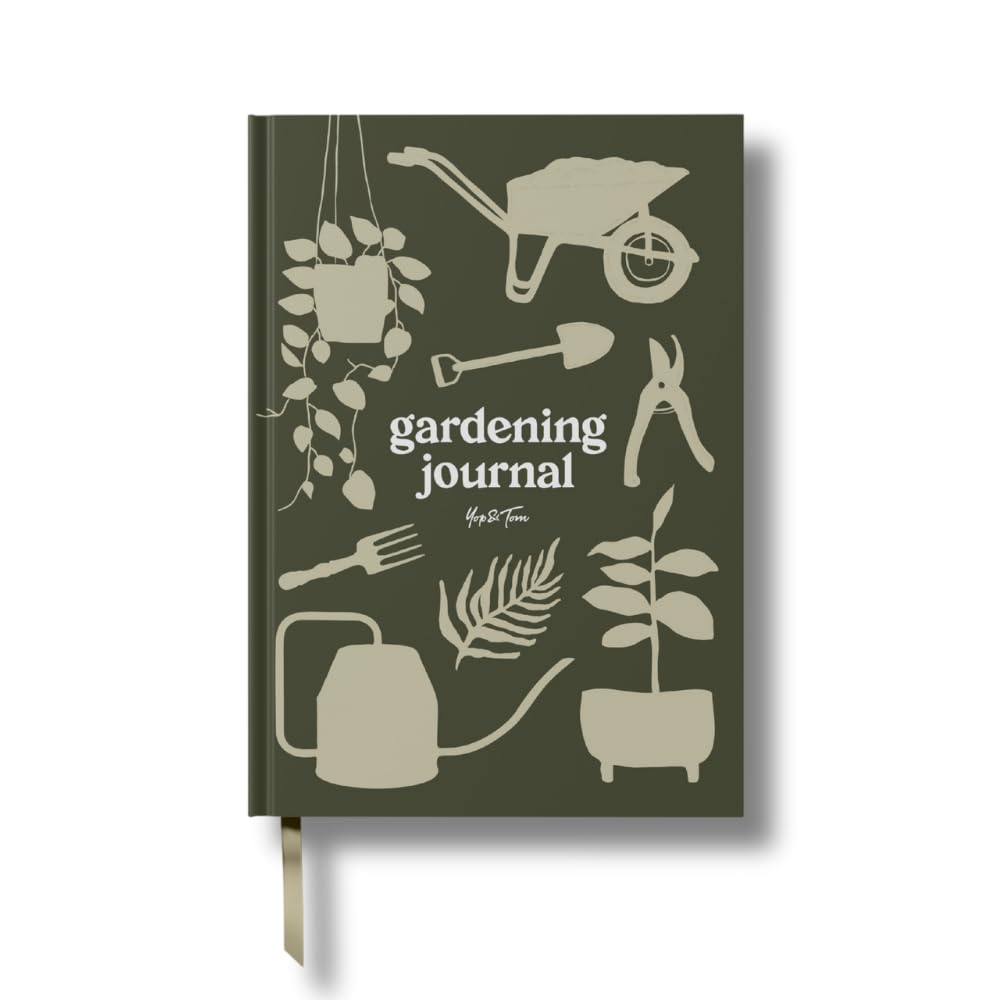
This journal is a practical choice for anyone wanting to get organized and stay on top of garden planning through the season.
Want to Grow Fresh Food at Home?
Grab the Beginner’s Guide to Thriving Gardens—your step-by-step plan to grow real food in any backyard, patio, or balcony. Perfect for first-time gardeners!
Buy the Ebook for $14Includes 7 free bonus guides • Instant download • Beginner-friendly
Pros
- Durable hardback cover with appealing garden tool artwork
- Detailed planning pages for schedules, notes, and expenses
- Smooth, thick pages hold up well to both pen and pencil
Cons
- Heavier and bulkier than most soft-cover journals
- Pre-made sections can feel limiting to highly creative users
- Only available in olive green
Having spent time with this garden journal, we noticed right away how well it keeps us organized. The sturdy hardback build and ribbon bookmark make it easy to use around the garden, even when our hands aren’t perfectly clean. It’s simple to flip open to our last entry and jot down quick notes about what’s growing well or what needs attention.
We appreciate the layout that includes spots for planting dates, supply lists, growth tracking, and even a watering schedule. It streamlines record keeping and helps avoid forgetting what worked (and what didn’t) over previous months. Anyone new to gardening will find it user-friendly, while those with more experience can still get great use from the extra details.
One limitation we noticed is the specific order of the pages, which some may find restrictive if they want more blank space or freedom to customize. While the olive green cover is classic and neutral, there are no color choices if you prefer something brighter. Still, for us, the design and build are strong enough to recommend this as a solid option for gardeners who like structure and durability in their journaling supplies.
Clever Fox Gardener’s Journal
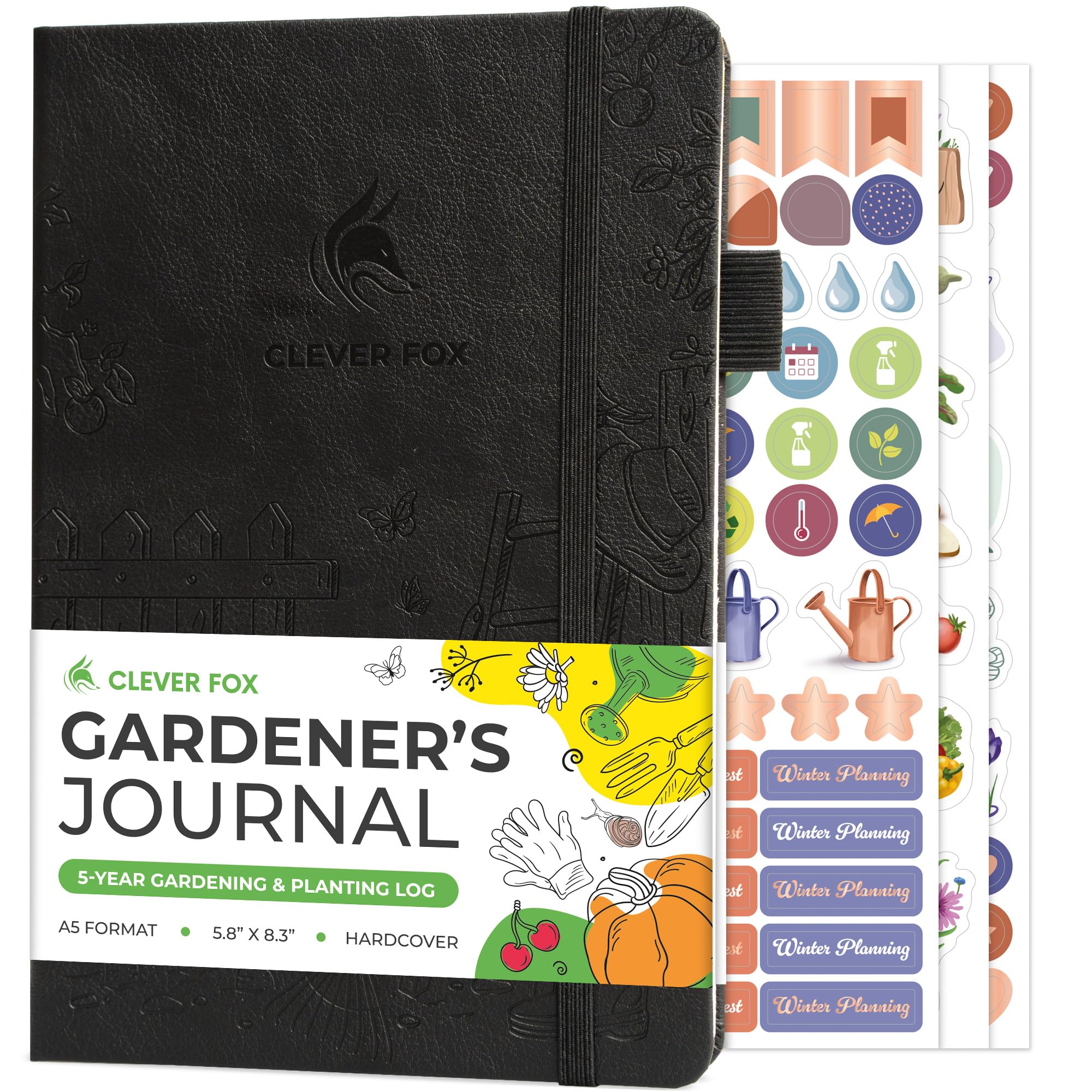
Anyone who wants a long-lasting, organized way to track garden plans and progress in one reliable spot should consider this journal.
Pros
- Supports up to five years of detailed garden planning
- Includes easy-to-use trackers for everything from soil health to harvests
- High-quality, sturdy cover with thoughtful extras like stickers
Cons
- Some sections for notes could use more space
- Might feel a bit structured for those who prefer free writing
- The journal’s size may be small for those looking for larger pages
Right away, we noticed how this Clever Fox Gardener’s Journal takes away the stress of trying to remember planting dates, types of vegetables or flower varieties, and seasonal to-dos. The layout is well-organized, with sections that make it simple to log what we plant and how it grows over the years. Using it, we found the yearly planning pages especially useful for keeping track of crop rotation and bloom times.
It’s clear the makers put thought into durability, given the tough eco-leather cover and sturdy binding. We liked that the lay-flat design makes it easy to write in all corners. We especially enjoyed using the stickers to help label different sections, and the pen loop is handy so our favorite pen is always nearby.
There are plenty of spots for tracking plant health, expenses, and even pest issues, but we did want a bit more space to jot down longer notes in each section. Still, everything most gardeners need is right here. This is a solid pick for anyone wanting a guided way to record both quick notes and bigger garden plans year after year.
Templatables Garden Planner
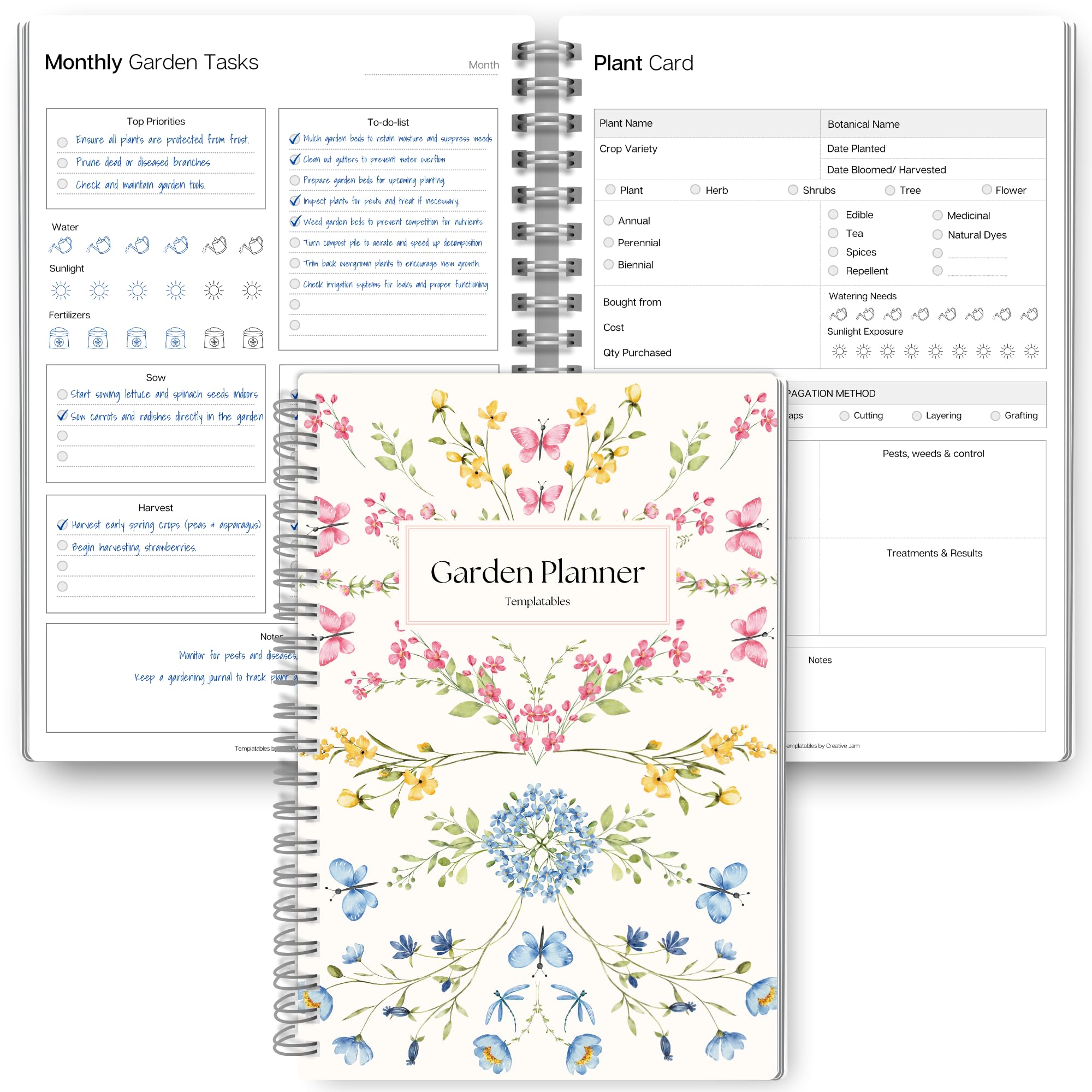
This planner is a smart purchase for gardeners who want clear organization and a straightforward way to track every part of the growing season.
Pros
Want to Grow Fresh Food at Home?
Grab the Beginner’s Guide to Thriving Gardens—your step-by-step plan to grow real food in any backyard, patio, or balcony. Perfect for first-time gardeners!
Buy the Ebook for $14Includes 7 free bonus guides • Instant download • Beginner-friendly
- Plant cards help us remember key details for each plant
- Layout makes it simple to plan weekly and monthly garden tasks
- Sturdy cover stands up to frequent use outdoors
Cons
- Only comes with 20 plant cards—may not be enough for big gardens
- Ring binding could snag on bags or gloves
- Paper pages need extra care in wet weather
Keeping everything in one place makes a big difference, and we found the Templatables Garden Planner valuable for planning and tracking our garden’s progress. Having a dedicated area for each plant, through the plant cards, really helped us stay on top of different care routines. We liked not having to flip between notebooks or apps when monitoring watering schedules or recording growth observations.
Weekly checklists keep us on track with garden chores, while monthly pages let us set bigger goals and note down ideas for next season. The botanical cover holds up well when we carry it outside, though we do avoid leaving it out in damp weather.
With only 20 plant cards, this journal is best for small to medium gardens. Larger gardens may need extra cards or creative note taking. It’s a helpful tool that saves time and keeps everything organized, especially for anyone serious about getting the most from the planting season.
Yop & Tom Blossom Gardening Journal
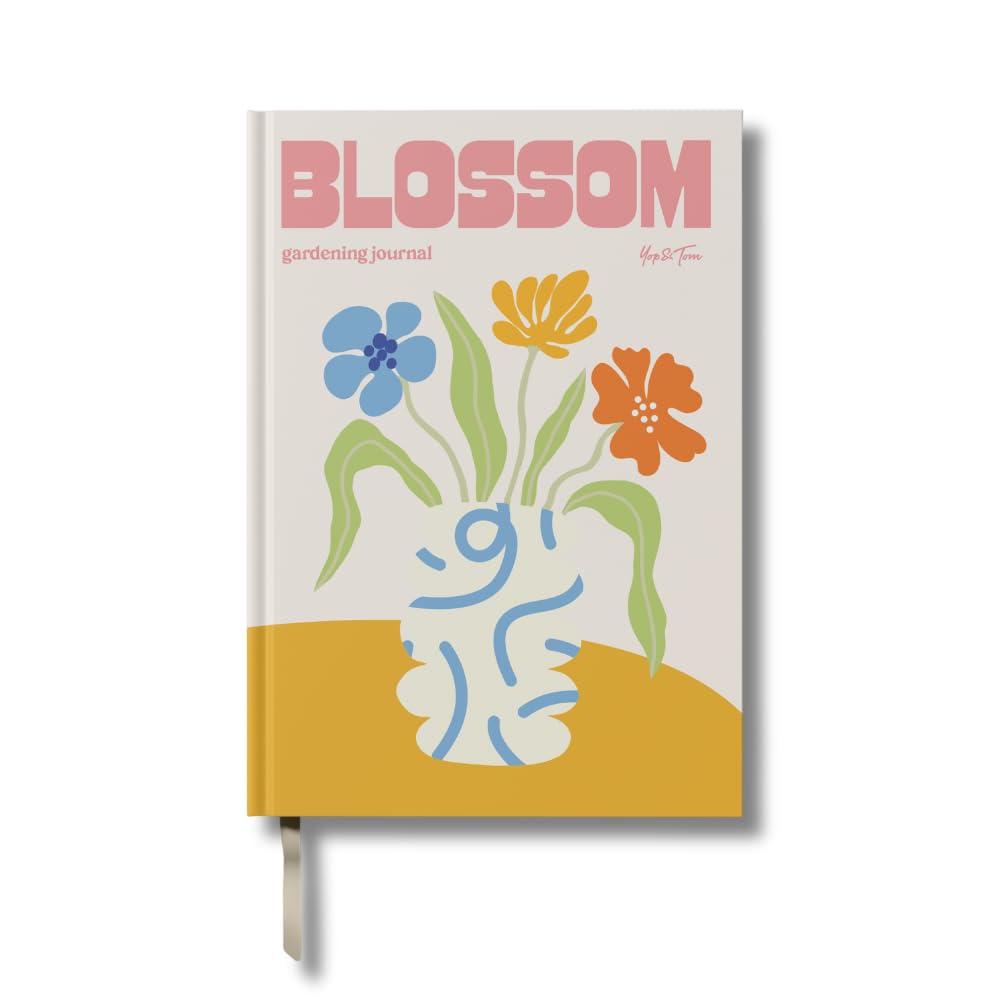
Anyone looking to get better at planning and tracking their gardening efforts will find this journal helpful and easy to use.
Pros
- Covers all gardening basics like layouts, schedules, and budgets
- Sturdy hardback and bright cover inspire us to keep using it
- Templates work well for both beginners and experienced gardeners
Cons
- Extra care needed when ordering as it can arrive with cosmetic damage
- Pages might feel a bit tight if we like pasting in lots of clippings
- No digital backup option for notes or plans
We appreciate how straightforward this journal is—from logging where we plant seeds to tracking bloom times, everything has a spot. The planner makes it simple to draw out garden beds and note what we’ve added each week. There’s also a place for jotting down how much we spend, which helps us stick to a budget.
Writing in the Blossom Gardening Journal actually makes us want to keep up with our garden each season. The cover is bright and cheerful, and the thick pages handle pens and markers without bleeding through. It’s ideal for organizing both big changes—like a new bed—and daily care, such as watering and fertilizing notes.
While it’s a great tool for keeping our records in one place, the journal’s hardback cover can arrive with scratches if not packaged well. If we lean on lots of extra scraps, plant tags, or photos, the A5 size starts to get cramped. Still, it’s a reliable and attractive choice for anyone who likes having a written record of their garden year after year.
The Gardener’s Logbook

Anyone looking for a straightforward way to keep track of details about their plants will find this logbook helpful and easy to use.
Pros
- Compact size fits easily in any gardening bag
- Plenty of space to record information on individual plants
- Attractive cover and layout make it pleasant to use
Cons
- Mostly focused on logging plants, not planning or organizing by season
- Not many blank pages for sketches or custom notes
- Information pages may feel basic for expert gardeners
When we tried The Gardener’s Logbook, we liked how simple it was to document each plant in our garden. The pages prompt us with fields for names, dates, and other important notes. It’s added a level of order to our gardening, letting us refer back and remember what we planted and when.
The portable size made it convenient to take outside. We didn’t feel burdened carrying it around, and the sturdy cover means it holds up well to being tossed in the garden shed. Looking through it, we could see how our garden has changed month by month.
Where it fell short was in seasonal planning. We noticed it’s best for tracking plant details instead of mapping out whole beds or keeping big-picture plans. Those of us who want to sketch layouts or brainstorm ideas might wish for more open pages, but the logbook is still a solid tool for basic record-keeping.
Gardening Log Book & Planner

This log book is useful for gardeners who want to keep clear records of their planting choices and garden progress through the season.
Pros
- Organized layout makes tracking plants and tasks simple
- Plenty of space to jot down notes and reminders
- Monthly format is straightforward and easy to use
Cons
- Paper and print quality could be better
- May feel limiting for those with very large gardens
- Design feels a bit plain and basic
When using this gardening journal, we found it easy to plan our garden month by month. Each section let us record when and where we planted different seeds, and the layout made it simple to see where we needed to focus our efforts during busy times.
The abundance of pages for different plants was helpful, especially in keeping our thoughts organized between seasons. We liked having a clear spot for notes and action items, so nothing fell through the cracks. It took just a few minutes each week to jot down what we needed.
Some of us who have larger gardens felt a bit limited, since the number of plant logs might not cover every bed or row. The paper and print weren’t the highest quality, which made it look less polished. Still, if you’re looking for something clear and direct to keep your garden plans in order, this book is a practical choice.
My Gardening Journal

Anyone looking to organize, plan, and reflect on their gardening journey will find this journal both practical and enjoyable.
Pros
- Beautiful artwork and design throughout
- Enough space for weekly notes and sketches
- Beginner-friendly structure for planning
Cons
- Some may want more blank pages for extra notes
- The layout may feel repetitive to experienced gardeners
- Heavier than expected for carrying around
We enjoyed how easy it was to get started with My Gardening Journal. There are clear sections for tracking what we’ve planted, how everything is growing, and jotting down ideas each week. The space for to-do lists and journaling makes it simple to plan our garden step by step without feeling overwhelmed.
The artwork inside is truly lovely and adds a bit of inspiration every time we open the book. Sketching out new ideas or making notes about plant progress is both easy and enjoyable thanks to the generous writing and drawing spaces. A nice touch is the weekly format—it helps us stay organized without having to remember every detail in our heads.
While the journal looks and feels high quality, we noticed that if we wanted to keep long notes, there wasn’t as much open space as we hoped. Carrying it with us into the garden felt a little inconvenient due to its size and weight. Still, for planning, reflecting, or even as a gift, this journal covers almost all the basics we look for when tracking a growing season.
Garden Planner and Log Book

This journal gives us an easy way to organize our entire growing season with dedicated space for every detail.
Pros
- Easy to use and well organized, making it simple to track different plants
- Includes plenty of room for our notes and layouts
- Useful monthly calendar pages support ongoing planning
Cons
- Not enough grid paper for those of us with bigger gardens
- Monthly calendar pages won’t last for more than a year of records
- Some may find the layout too large or the text too bold
When we tried the Garden Planner and Log Book, what stood out was how straightforward it was to set up and fill in. There’s space for plans, notes, supplier lists, and plant profiles, making it much easier to follow what we’re planting and when. Having these sections helped us keep everything in one place, so there’s no confusion at the end of the season.
We liked the undated monthly calendars, as they let us pick up anywhere in the year. The book also includes places for tracking which seeds or plants we used, and it has enough room for sketching layouts or jotting down ideas. This layout means we aren’t scrambling for scraps of paper when we’re out in the garden.
For people with a large garden, this book might fill up fast. Also, since the monthly calendars don’t cover multiple years, we found we needed to buy another for full annual tracking. Still, for everyday planning and record-keeping, we found this journal to be reliable and easy to handle.
Guided Garden Planner Log Book & Journal

For gardeners wanting to organize every growing season with clarity, this journal offers a helpful and straightforward way to track progress.
Pros
- Layout is simple and makes planning easy
- Space provided for notes throughout the seasons
- Built-in prompts help us remember important details
Cons
- No waterproof cover, so it needs to be kept indoors
- Some pages felt repetitive after a few months
- Minimal space for attaching your own photos or clippings
Opening this garden planner gave us a sense of order right away. The pages walk us through each step, from seed starting to the final harvest, with space to jot down notes about every plant. Following along for the whole season felt very natural and kept our records neat.
Easy-to-follow prompts and charts helped us remember to log key dates and weather information. We found that filling out regular updates kept our gardening progress on track. While some of the page layouts look similar, it did reinforce a habit of regular garden check-ins.
It’s clear this journal is designed for beginners and more experienced gardeners alike. While we had to be careful not to bring it outside on rainy days, this was a small tradeoff for all the organization it helped bring to our gardening. We think it works great as a gift, too, for anyone starting or looking to improve their garden planning.
Buying Guide
When picking the right garden journal, we should look for features that fit our needs. Each gardener tracks things differently, so the best choice depends on our personal style and what we want to record.
Paper Quality:
We want journals with thick, durable paper. This helps prevent ink from bleeding through and keeps our notes neat.
Binding Type:
Some journals use spiral binding, while others have sewn or glued spines.
| Binding Type | Pros | Cons |
|---|---|---|
| Spiral | Lays flat, easy to flip | Can catch on tools |
| Sewn | Sturdy, long-lasting | May not lay flat |
| Glued | Lightweight, compact | Less durable |
Page Layout:
Choosing a format that matches our style helps. Some like lined pages for notes, while others want grids for sketches or tables for data.
- Lined pages help us write neatly.
- Blank pages give us space for sketches.
- Grids or charts work best for tracking data.
Weather Resistance:
If we plan to take our journal outside, it helps to look for water-resistant covers or pages.
Size and Portability:
Small, light journals are easy to carry in the garden, but larger journals give us more space to write.
Before buying, we should check if the journal includes extras like planting calendars, pocket folders, or stickers for easier tracking. This can make recordkeeping faster and more organized.
Frequently Asked Questions
We often need tools that keep our garden data clear and easy to find. Tracking problems, plant growth, and organizing entries helps us have a better gardening season.
What are the best features to look for in a garden journal?
We should look for weather logs, planting dates, harvest records, and pest notes. Large writing spaces and sturdy covers make journals last longer. Pre-printed prompts and calendars can help us stay organized.
Can digital garden journals be more beneficial than paper-based ones?
Digital journals make it easier to search our records and add photos. Some apps remind us of tasks and can sync between devices. They may be better for people who want easy editing and sharing.
What techniques can I use to effectively monitor my plant growth over the season?
We can take weekly photos and write down important changes like new leaves, flower buds, or fruit. Using a calendar to log the dates when we notice growth helps spot patterns. Measuring plants regularly can show us which methods work best.
How can a garden journal help with pest and disease management?
A journal lets us record when and where we see pests or diseases. We can note what treatments we use and if they succeed. Comparing notes from past seasons can help us prevent problems in the future.
Are there any garden journals that cater to specific types of gardening, such as vegetable or flower gardening?
We can find journals made just for vegetables, flowers, or even herbs. These options often include sections on the best planting times and care tips for each type. Some provide charts or templates that suit different plants.
What methods do experienced gardeners recommend for organizing garden journal entries?
Experienced gardeners use color-coding, tabs, or sections for quick reference. Many organize by planting area, plant type, or date. Adding a simple index or key at the front can help us find needed information fast.
Want to Grow Fresh Food at Home?
Grab the Beginner’s Guide to Thriving Gardens—your step-by-step plan to grow real food in any backyard, patio, or balcony. Perfect for first-time gardeners!
Buy the Ebook for $14Includes 7 free bonus guides • Instant download • Beginner-friendly


