Organic Fertilizer for Strawberries Tips for Healthy Growth
This post may contain affiliate links. If you purchase through them, I may earn a small commission at no extra cost to you. As an Amazon Associate, I earn from qualifying purchases.
Strawberries grow best in soil that is rich in nutrients and well balanced. Many gardeners use organic fertilizer to improve plant health and boost fruit production without relying on synthetic chemicals. Organic options often provide a steady release of nutrients, which helps strawberries develop strong roots, healthy leaves, and sweeter berries.
5 Quick-Start Garden Plans for Growing Fresh Food at Home (Free PDF)
Get beginner-friendly raised bed garden layout plans, simple container garden ideas, and a flexible salad garden plan you can put to work right away. Perfect for small spaces, patios, and first-season growers.
Instant email delivery • Unsubscribe anytime
When choosing an organic fertilizer for strawberries, it’s important to look at the nutrient balance, the form of the fertilizer, and how easy it is to apply. The key factor is finding a fertilizer with the right mix of nitrogen, phosphorus, and potassium to support both growth and fruiting. Some products come in granular form for slow release, while others are liquid and act more quickly.
We compared different organic fertilizers to see which ones offer the best results for strawberry plants. Our goal was to identify options that are effective, easy to use, and safe for home gardens.
Want to Grow Fresh Food at Home?
Grab the Beginner’s Guide to Thriving Gardens—your step-by-step plan to grow real food in any backyard, patio, or balcony. Perfect for first-time gardeners!
Buy the Ebook for $14Includes 7 free bonus guides • Instant download • Beginner-friendly
Best Organic Fertilizers for Strawberries
We reviewed the top organic fertilizers that help strawberries grow strong and produce healthy fruit. Below is our full list of the best options to support your plants naturally.
Espoma Berry-Tone

We recommend this fertilizer if you want steady growth and healthier strawberries without dealing with synthetic formulas.
Pros
- Improves berry yield with consistent feeding
- Safe organic mix with no harsh chemicals
- Easy to spread granules that need no mixing
Cons
- Strong odor when first applied
- Packaging could seal better
- Not the cheapest option available
We applied Espoma Berry-Tone to our strawberry patch in early spring, and the plants responded quickly. The leaves looked greener within a couple of weeks, and the flowers set more fruit than we expected. It felt reassuring to use something organic without worrying about chemical buildup in the soil.
The granules are simple to scatter around the base of the plants. We didn’t have to mix anything, which saved time. The smell is noticeable when first applied, but it fades after watering. The bag itself could be sturdier, so we had to store it carefully to avoid moisture getting in.
By mid-season, the strawberries were fuller and sweeter than previous years. We also noticed the plants seemed stronger overall, which gave us confidence to keep using it. For anyone who wants a reliable organic fertilizer that supports long-term soil health, this one fits the bill.
Espoma Berry-Tone Organic Fertilizer

We recommend this fertilizer for anyone who wants steady growth and healthier strawberry plants without needing complicated steps.
Pros
Want to Grow Fresh Food at Home?
Grab the Beginner’s Guide to Thriving Gardens—your step-by-step plan to grow real food in any backyard, patio, or balcony. Perfect for first-time gardeners!
Buy the Ebook for $14Includes 7 free bonus guides • Instant download • Beginner-friendly
- Provides steady, balanced nutrition for berry plants
- Easy to apply with no mixing required
- Safe for organic gardens
Cons
- Strong smell that may attract pets
- Works best with consistent use, not a quick fix
- Bag size may feel small for larger gardens
We noticed right away that using Espoma Berry-Tone made our strawberry plants look stronger within a few weeks. The leaves grew fuller, and the plants seemed more resilient during hot days. Applying the granules was simple, and we appreciated not having to measure or mix anything.
The formula feels reliable because it doesn’t overwhelm the plants. Instead, it gives a steady boost that lasts through the season. We also like that it’s organic, which gives us peace of mind when growing food we eat straight from the garden.
One small drawback is the scent. Our dogs were curious about the bag, so we had to store it carefully. The 4-pound size worked fine for a smaller patch, but if we had a larger strawberry bed, we’d need more than one bag to cover everything. Overall, Espoma Berry-Tone is a dependable choice for healthy, productive strawberry plants.
True Organic Berry Food

We recommend this fertilizer if we want steady growth and healthier strawberries without relying on synthetic products.
Pros
- Boosts berry growth with noticeable results
- Improves soil quality over time
- Easy to spread and apply monthly
Cons
- Has a strong natural odor at first
- Needs repeat applications through the season
- Bag size may not last long for larger gardens
When we used this fertilizer on our strawberry patch, we noticed new leaf growth within a few weeks. The plants looked stronger, and the berries developed better color and flavor compared to before. Applying it was simple since the granules mixed easily into the soil.
The blend of organic ingredients gave us peace of mind that we were feeding the plants and the soil at the same time. We also liked that it lowered the soil pH naturally, which strawberries seem to respond well to. Our container plants showed just as much improvement as the ones in the ground.
One thing we did not enjoy was the smell right after applying it, but it faded after a day or two. We also found that we had to stay consistent with monthly feedings to keep the plants producing well. For a small garden, the 4lb bag worked fine, but anyone with a larger berry patch will probably need more than one bag per season.
Bloom City Berry Best

We recommend this organic fertilizer if you want steady berry growth without a lot of hassle.
Pros
- Boosts soil health while feeding plants
- Helps strawberries set more fruit
- Easy to mix and apply
Cons
Want to Grow Fresh Food at Home?
Grab the Beginner’s Guide to Thriving Gardens—your step-by-step plan to grow real food in any backyard, patio, or balcony. Perfect for first-time gardeners!
Buy the Ebook for $14Includes 7 free bonus guides • Instant download • Beginner-friendly
- Has a strong smell when first opened
- Needs repeated use to see results
- Bottle runs out quickly with larger gardens
We used Bloom City Berry Best on our strawberry patch, and the plants responded with stronger leaves and more blossoms. The liquid formula mixed smoothly with water, and we didn’t have to deal with clumps or uneven feeding. Application was quick, which made it easy to add into our regular watering routine.
After a few weeks, we noticed the soil stayed healthier and held moisture better. The strawberries looked more vibrant, and the plants seemed less stressed in the heat. We also tried it on a few blueberry bushes and saw similar improvements in growth.
One drawback is the smell, which is pretty strong when you first open the bottle. It also requires consistent use to keep the results going, so you’ll go through the quart faster than expected if you have several plants. Still, for small to medium berry gardens, it’s a reliable option that delivers steady improvements.
TPS Nutrients Strawberry Fertilizer
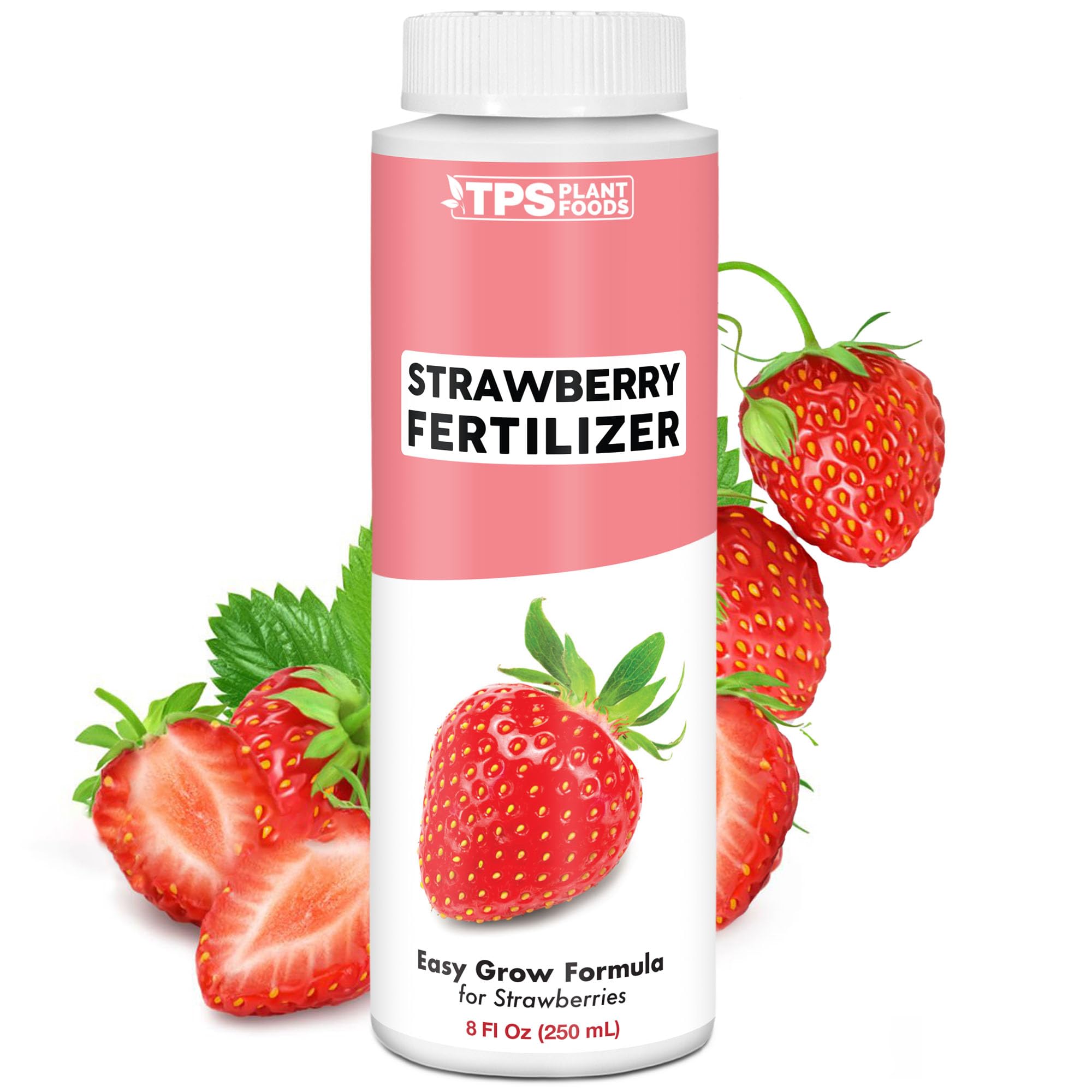
We recommend this liquid plant food for anyone wanting healthy strawberry plants without using synthetic chemicals.
Pros
- Easy to mix and apply with water
- Noticeable boost in plant growth and fruit set
- Compact bottle that stores well
Cons
- Small size runs out quickly
- Works best with regular use, not a one-time fix
- Slight odor when first mixed
When we tried this fertilizer, we liked how simple it was to pour and dilute. The liquid blended smoothly into our watering can, and the plants seemed to take it in right away. We noticed stronger leaves within a couple of weeks.
The bottle is only 8 ounces, so it works best for smaller gardens or a few planters. For bigger beds, we had to reorder sooner than expected. That said, it didn’t feel wasteful because the plants responded well, and the results showed.
We also appreciated that it’s made for edible plants, which gave us peace of mind when using it on fruit we planned to eat. While the odor during mixing wasn’t great, it faded fast, and the strawberries ended up tasting just fine. This is a solid option for home growers who want a straightforward organic fertilizer.
Espoma Berry-Tone Organic Fertilizer

This fertilizer is a solid choice if we want healthier strawberry plants without using synthetic chemicals.
Pros
- Provides steady growth without burning plants
- Easy to spread and requires no mixing
- Approved for organic gardening
Cons
- Has a strong earthy smell after application
- Needs reapplication each season for best results
- Granules can attract pets if not watered in
We tried Berry-Tone on our strawberry patch, and the plants responded with stronger leaves and fuller growth. The fertilizer blended into the soil quickly, and we didn’t have to worry about it harming the roots. It felt like a simple routine that actually made a difference.
One thing we noticed is the smell when first applied. It’s natural but noticeable, so watering it in right away helped reduce that. Once it settled, we didn’t have any lingering odor in the garden.
We also liked that it’s ready to use straight from the bag. No mixing or measuring made it quick to apply, which saved us time during planting. For ongoing care, we found feeding twice a year kept the strawberries producing well.
Smart Grower Organic Plant Food

We recommend this fertilizer for anyone who wants a safe, organic option that feeds strawberries well without relying on harsh chemicals.
Pros
- Made with natural ingredients that feel safe to use around food crops
- Comes with a scoop, which makes mixing and applying simple
- Supports soil health with beneficial microbes
Cons
- Powder form can be a little messy when measuring
- Needs mixing with water, which takes extra time
- Not the cheapest option compared to basic fertilizers
When we tried Smart Grower on our strawberry patch, we noticed the plants looked more vigorous within a couple of weeks. The leaves stayed a healthy green, and the plants seemed to handle summer heat without much stress. Mixing it into water was easy, though we had to be careful not to spill the powder.
The included scoop helped us measure consistently, which made the process more straightforward. We liked that it dissolved well in water and didn’t leave clumps in the watering can. The smell was mild, so using it around the garden didn’t feel unpleasant.
Over time, the strawberries produced steady growth and healthier runners. While it takes a little effort to prepare, we found the results worth it. For gardeners who want an organic fertilizer that supports both plant and soil health, this one delivers solid performance.
Happy Strawberry Fertilizer

This organic fertilizer is a solid choice if we want steady growth and sweeter strawberries without much hassle.
Pros
- Mixes easily with water and applies without mess
- Encourages stronger plants and better fruit set
- Works well for other berries too
Cons
- Needs frequent application for best results
- Powder can clump if not stored carefully
- Smaller package may run out fast in larger gardens
When we tried this fertilizer, the first thing we noticed was how simple it was to mix. One scoop dissolved cleanly into a watering can, and we didn’t have to fuss with measuring spoons or extra tools. Applying it to our strawberry patch felt quick and straightforward.
After a few weeks, the plants looked healthier. The leaves were greener, and the flowers seemed to set fruit more reliably. We also liked that it worked just as well on raspberries and blueberries, which saved us from buying separate fertilizers.
The only drawback we ran into was the size of the container. For a small raised bed, it lasted fine, but anyone with a bigger garden might find themselves reordering sooner than expected. Still, the results made it worth keeping on hand for consistent feeding.
Buying Guide
When we choose an organic fertilizer for strawberries, we should focus on the nutrient balance. Strawberries need steady amounts of nitrogen, phosphorus, and potassium. A balanced mix helps support both fruit growth and root health.
We also want to check the source of the ingredients. Fertilizers made from natural materials like compost, manure, or plant-based meals usually provide nutrients more slowly and evenly. This can reduce the risk of overfeeding.
It helps to look at the form of the fertilizer. Some come as granules, others as liquid. Liquids act faster but may need more frequent use, while granules release nutrients over time and require less application.
We should also consider how easy the product is to apply. A fertilizer that fits our tools and schedule will save time and effort. Checking the instructions on the label can guide us on how often to apply it.
Key Features to Compare
| Feature | What to Look For | Why It Matters |
|---|---|---|
| Nutrient Ratio (N-P-K) | Balanced or slightly higher potassium | Supports fruit size and taste |
| Ingredient Source | Compost, manure, plant-based materials | Provides natural, slow-release nutrients |
| Form | Granular or liquid | Affects speed and ease of application |
| Application Rate | Clear instructions on label | Prevents overuse and waste |
| Safety | Certified organic if possible | Ensures no synthetic additives |
By comparing these features, we can match the fertilizer to our soil needs and growing goals.
Frequently Asked Questions
We focus on the right type of organic fertilizer, proper timing, and nutrient balance to support healthy strawberry plants. Our attention goes to both potted plants and field crops, with clear guidance on liquid options and NPK ratios.
What type of organic fertilizer promotes optimal growth in potted strawberry plants?
We see the best results in pots when we use compost mixed with well-rotted manure. Adding worm castings or fish emulsion also improves nutrient availability in container soil.
How can one identify the most effective organic fertilizer for strawberry cultivation?
We look for fertilizers that provide balanced nutrients and release them slowly. A product that lists clear organic sources, such as bone meal or kelp meal, usually supports consistent plant growth.
Which organic liquid fertilizer is recommended for the highest yield in strawberry farming?
We find that fish emulsion and seaweed extract work well as liquid fertilizers. These options supply nitrogen and trace minerals while improving soil activity.
What is the ideal NPK ratio in organic fertilizers for strawberry plants?
We aim for an NPK ratio close to 10-10-10 or slightly lower in nitrogen, such as 5-10-10. This balance encourages fruit development without forcing too much leafy growth.
What is the recommended schedule for applying organic fertilizer to strawberry crops?
We apply fertilizer in early spring as growth begins. A second application after the first harvest helps maintain plant strength and supports later fruiting.
When should everbearing strawberry plants be fertilized with organic nutrients?
We fertilize everbearing varieties in spring and again after the first flush of berries. A light mid-summer feeding keeps the plants productive through the season.
Want to Grow Fresh Food at Home?
Grab the Beginner’s Guide to Thriving Gardens—your step-by-step plan to grow real food in any backyard, patio, or balcony. Perfect for first-time gardeners!
Buy the Ebook for $14Includes 7 free bonus guides • Instant download • Beginner-friendly

