Organic Fertilizer for Roses: Boost Growth and Enhance Blooms
This post may contain affiliate links. If you purchase through them, I may earn a small commission at no extra cost to you. As an Amazon Associate, I earn from qualifying purchases.
Roses need steady nutrients to produce healthy leaves and strong blooms. Organic fertilizer offers a natural way to feed roses without relying on synthetic chemicals. It supports soil health, improves water retention, and helps create the conditions roses need to thrive.
5 Quick-Start Garden Plans for Growing Fresh Food at Home (Free PDF)
Get beginner-friendly raised bed garden layout plans, simple container garden ideas, and a flexible salad garden plan you can put to work right away. Perfect for small spaces, patios, and first-season growers.
Instant email delivery • Unsubscribe anytime
Not all organic fertilizers are the same, and choosing the right one can make a noticeable difference in plant growth. The most important factors to pay attention to are the nutrient balance, the source of the ingredients, and how quickly the fertilizer releases nutrients. Some products provide a slow, steady release, while others give a quicker boost, so it’s worth matching the product to your gardening needs.
We researched and compared different organic fertilizers to find the ones that deliver consistent results and make caring for roses easier.
Want to Grow Fresh Food at Home?
Grab the Beginner’s Guide to Thriving Gardens—your step-by-step plan to grow real food in any backyard, patio, or balcony. Perfect for first-time gardeners!
Buy the Ebook for $14Includes 7 free bonus guides • Instant download • Beginner-friendly
Best Organic Fertilizers for Roses
We researched and compared a range of organic fertilizers to find the most effective options for healthy rose growth. Below is our full list of the best products that provide balanced nutrients and support strong blooms.
Jobe’s Organics Rose Fertilizer

This is a solid choice for anyone who wants an easy, organic way to feed roses and flowering shrubs without worrying about harsh chemicals.
Pros
- Provides steady, balanced nutrients for strong blooms
- Safe to use around kids and pets
- Easy to measure and spread
Cons
- Noticeable odor after application
- Needs reapplying every 6 weeks
- Can attract curious pets to the soil
We found that this fertilizer worked well on roses that had been struggling to produce flowers. After a few weeks, the plants looked healthier, and the leaves had a deeper green color. The granules spread evenly and didn’t clump, which made the process simple.
The biggest drawback is the smell. It’s not overwhelming outdoors, but it lingers for a couple of days after use. We also noticed our dogs were very interested in the treated soil, so we had to keep an eye on them.
Overall, we like how reliable Jobe’s Organics Rose Fertilizer is for keeping roses blooming through the season. It’s not the cheapest option, but the results make it worth adding to our regular garden routine.
Espoma Rose-Tone Organic Fertilizer

We recommend this fertilizer if you want steady rose growth with a simple, natural approach.
Pros
Want to Grow Fresh Food at Home?
Grab the Beginner’s Guide to Thriving Gardens—your step-by-step plan to grow real food in any backyard, patio, or balcony. Perfect for first-time gardeners!
Buy the Ebook for $14Includes 7 free bonus guides • Instant download • Beginner-friendly
- Encourages consistent blooms without harsh chemicals
- Easy to spread and requires no mixing
- Works well on roses and other flowering plants
Cons
- Has a strong earthy smell after application
- Needs monthly reapplication during the season
- Granules can attract pets if left on the surface
When we worked this into the soil around our roses, we noticed healthier leaves within a few weeks. The plants looked stronger and produced steady buds without showing signs of stress. It felt good knowing the mix was organic and safe for the garden.
We liked that it came ready to use. Pouring the granules around the base of the plants took only a few minutes, and watering it in was simple. There was no need for measuring out liquids or mixing, which saved time.
One thing we did notice is the smell. It’s not overwhelming, but it lingers for a bit after application. We also had to stay on top of the monthly schedule to keep results consistent. Overall, Espoma Rose-Tone gave us strong blooms and healthy growth with very little effort.
Down to Earth Rose & Flower Mix

This is a solid choice for anyone who wants steady growth and healthier blooms without using synthetic fertilizers.
Pros
- Encourages strong root growth and steady flowering
- Made with natural ingredients safe for organic gardens
- Works well for roses and other flowering plants
Cons
- Granules take time to break down and show results
- Needs reapplication during the season for best effect
- Can attract pets if not mixed into soil properly
We noticed our roses responded well after a few weeks with this mix. The plants looked stronger, and the blooms came in with more color. It didn’t act overnight, but the results felt steady and reliable.
Application was simple since the granules blended into the soil without much effort. We liked that it didn’t have a strong chemical smell, which made it easier to work with around the garden.
The biggest thing to keep in mind is patience. Because it’s organic, it takes time to see full results. Still, we found the trade-off worth it for healthier plants and the peace of mind that we weren’t adding anything synthetic to our soil.
Burpee Organic Rose + Bloom Food

This fertilizer works well for steady rose growth and bloom production without being difficult to use.
Pros
- Provides both quick and long-term feeding
- Easy to spread in beds or pots
- Includes microbes that support soil health
Cons
Want to Grow Fresh Food at Home?
Grab the Beginner’s Guide to Thriving Gardens—your step-by-step plan to grow real food in any backyard, patio, or balcony. Perfect for first-time gardeners!
Buy the Ebook for $14Includes 7 free bonus guides • Instant download • Beginner-friendly
- Granules can clump if stored in damp areas
- Needs reapplication every couple of months
- Strong smell when first applied
We noticed right away that our roses responded quickly after using this product. The flush of nutrients seemed to push out fresh growth within a short time. It was simple to apply, and the granules blended easily into the soil.
Over the next few weeks, the slow-release formula kept the plants looking steady and healthy. We did not see the sudden drop-off that sometimes happens with liquid fertilizers. The added microbes also seemed to make the soil richer and easier to work with over time.
One drawback we ran into was storage. If the bag isn’t sealed tightly, the granules can clump together. We also found the smell noticeable when applying, though it faded after watering. Even with those small issues, we think this is a reliable choice for keeping roses blooming through the season.
Espoma Rose-Tone Fertilizer
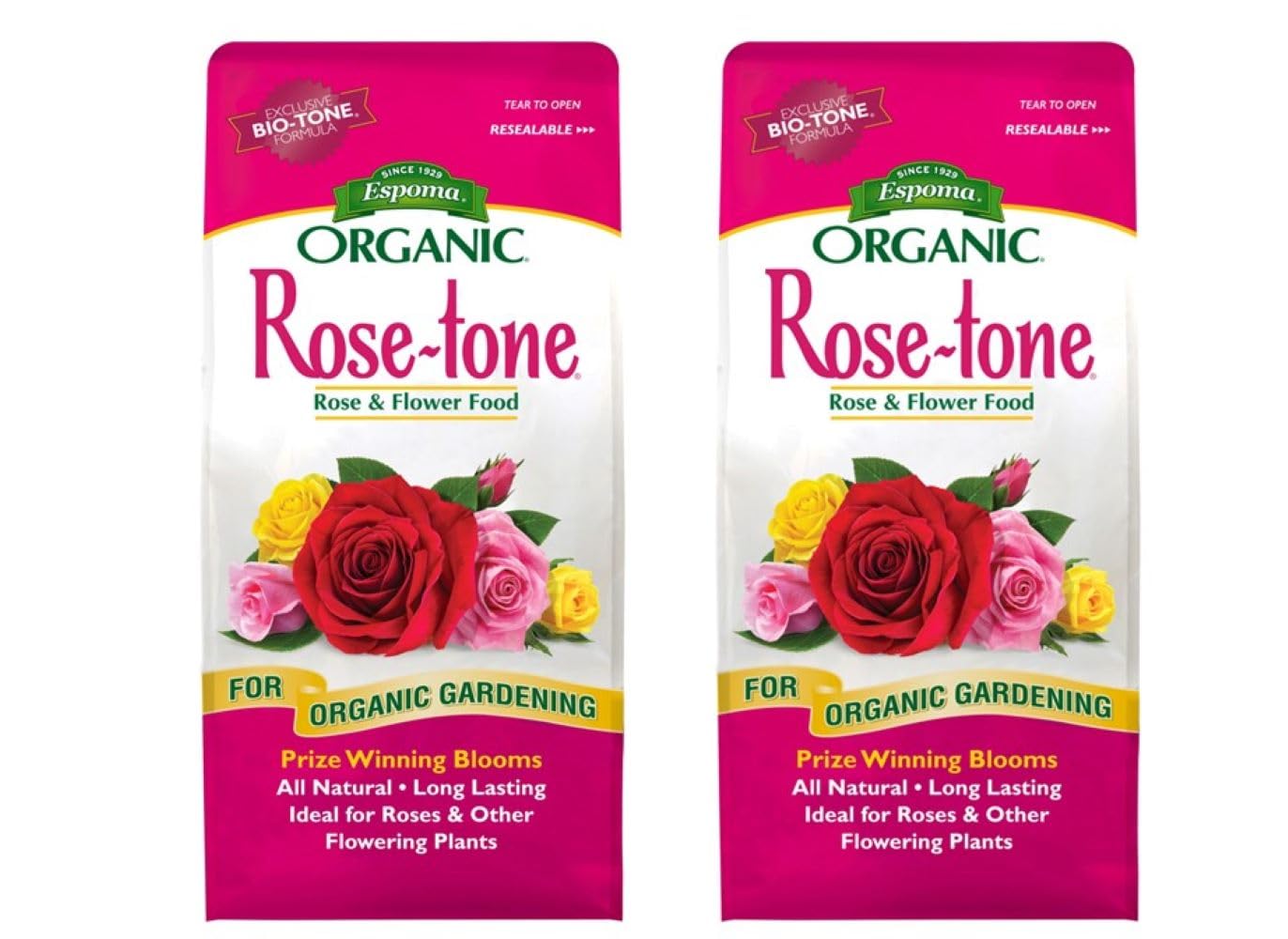
This organic fertilizer is a solid choice if we want steady rose growth and healthier blooms without harsh chemicals.
Pros
- Encourages strong stems and fuller flowers
- Easy to spread with no mixing required
- Safe for organic gardening
Cons
- Results take time to show
- Needs monthly reapplication
- Can attract pets if not watered in well
We worked this into the soil around our roses and noticed the plants looked stronger within a few weeks. The blooms developed richer color, and the foliage stayed a healthy green. It didn’t burn the plants, which can happen with synthetic fertilizers.
The granules are simple to apply. We just sprinkled them around the base and watered them in. There’s no need to mix or measure liquids, which makes the process quick. The bag is a good size for a few rose bushes, but larger gardens will need more.
Patience is important with this product. It doesn’t give instant results, but it feeds the soil and plants gradually. We also tried it on hydrangeas and clematis, and they responded well, which makes it versatile beyond roses. Overall, Espoma Rose-Tone is a dependable organic option for anyone who wants steady, natural growth.
Great Big Roses Fertilizer Booster

This is a solid choice for anyone who wants healthier roses with less effort.
Pros
- Boosts fertilizer effectiveness right at the roots
- Easy to mix and apply with no digging required
- Made with organic, natural ingredients
Cons
- Needs regular mixing before each use
- Liquid form can be messy if spilled
- Bottle runs out faster for large gardens
We noticed our roses looked stronger within a short time after using this booster. The liquid soaked in quickly, and the plants seemed to take up nutrients more efficiently. It felt like the fertilizer we normally use had a bigger impact once we combined it with this product.
Mixing the concentrate with water was simple, though we had to be careful not to spill since it’s liquid. Applying it around the base of each plant was straightforward, and we liked that no digging or tilling was needed. For us, this saved time and kept the process clean.
The organic certification gave us peace of mind because we prefer not to add harsh chemicals to the garden. We also appreciated that it’s made by a small family-owned business. The only drawback we found is that the bottle doesn’t stretch far if you have many rose bushes, so it may need to be reordered sooner than expected.
Espoma Rose-Tone Organic Fertilizer

This fertilizer is a solid choice for anyone wanting steady, healthy rose growth without harsh chemicals.
Pros
- Encourages strong blooms and greener leaves
- Easy to spread with no mixing needed
- Made from safe, organic ingredients
Cons
- Needs reapplying each month
- Bag is heavy to handle
- Smell can be strong after use
We noticed our roses responded quickly after applying this fertilizer. The leaves looked brighter, and new buds started forming within a few weeks. It felt like the plants were getting exactly what they needed without us worrying about overfeeding.
Using it was simple because the granules spread easily around the base of the plants. We liked that we didn’t have to mix anything or measure liquids. A quick watering afterward helped the product soak in, and it was done.
The biggest drawback is the weight of the bag, which can be awkward to move around the garden. We also found the smell noticeable right after application, but it faded in a day or two. Overall, we think Espoma Rose-Tone makes caring for roses easier and keeps them looking their best through the season.
Dr. Earth Rose & Flower Fertilizer

We recommend this fertilizer if you want steady, healthy growth and consistent blooms without using synthetic chemicals.
Pros
- Encourages strong, steady flower production
- Safe to use around kids and pets
- Improves soil health over time
Cons
- Granules take time to break down
- Slight earthy smell after application
- Needs reapplication through the season
We noticed our roses responded quickly after the first feeding. The leaves looked greener within a week, and the plants seemed to push out new buds faster than before. It felt good knowing we weren’t adding harsh chemicals to the soil.
The granules are easy to spread, but they don’t dissolve right away. We had to water them in well and wait a bit before seeing results. That said, the slow release kept the plants fed for weeks, which saved us from constant reapplying.
Using Dr. Earth Rose & Flower Fertilizer also gave us peace of mind since it’s safe if pets wander into the garden. The smell is noticeable at first, but it fades quickly. Overall, it’s a reliable option for anyone who wants healthier roses without synthetic additives.
Buying Guide
When we choose an organic fertilizer for roses, we need to look at what the product contains and how it supports plant growth. A balanced mix of nutrients helps roses produce strong stems, healthy leaves, and more blooms.
We should check the nutrient ratio, often shown as N-P-K (Nitrogen, Phosphorus, Potassium). Each number tells us how much of these key nutrients the fertilizer provides. Roses usually benefit from a mix that supports both root strength and flower production.
It also helps to look at the form of the fertilizer. Some come as granules, others as liquid, and some as composted material. Granules release nutrients slowly, while liquids act faster but may need more frequent use.
We should also consider ease of use and how often we want to apply it. A slow-release option may save time, while a liquid feed can give quick results during the growing season.
| Feature | What to Look For | Why It Matters |
|---|---|---|
| Nutrient Ratio | Balanced N-P-K levels | Supports both growth and blooms |
| Form | Granules, liquid, or compost | Affects release speed and application |
| Application | Easy to spread or mix | Saves time and effort |
| Organic Source | Natural ingredients like compost or meal | Improves soil health and sustainability |
By comparing these features, we can select a fertilizer that fits our roses’ needs and our gardening style.
Frequently Asked Questions
We focus on how organic fertilizer supports rose health, how to apply it safely, and what nutrients matter most. We also cover homemade options, buying tips, and the right timing for feeding rose bushes.
What are the benefits of using organic fertilizer over synthetic for rose plants?
We find that organic fertilizer improves soil structure and supports beneficial microbes. It releases nutrients slowly, which reduces the risk of burning the roots. Synthetic fertilizer often gives faster results but can deplete soil quality over time.
How often should organic fertilizer be applied to rose gardens?
We usually apply organic fertilizer every 4 to 6 weeks during the growing season. In colder climates, we stop feeding about 6 weeks before the first frost to prevent new growth from being damaged.
Can you recommend any homemade organic fertilizer recipes for roses?
We can use composted kitchen scraps, aged manure, or worm castings as a base. Mixing banana peels, coffee grounds, and crushed eggshells provides potassium, nitrogen, and calcium. These ingredients can be added directly to the soil or worked into compost.
What should I look for in a commercial organic fertilizer for my rose bushes?
We look for a balanced nutrient ratio with nitrogen, phosphorus, and potassium. A good product also includes trace minerals and organic matter like bone meal, alfalfa meal, or kelp. Certification labels such as OMRI can confirm the fertilizer is truly organic.
Are there any specific organic nutrients that are essential for the optimal growth of roses?
We focus on nitrogen for leaf growth, phosphorus for strong roots and blooms, and potassium for overall health. Calcium supports cell structure, while magnesium is important for photosynthesis. Roses also benefit from trace elements like iron and manganese.
How do I apply organic fertilizer to roses without damaging the roots or foliage?
We spread fertilizer evenly around the base of the plant, keeping it a few inches away from the stem. After applying, we water thoroughly to help nutrients soak into the soil. We avoid sprinkling fertilizer directly on leaves or flowers to prevent damage.
Want to Grow Fresh Food at Home?
Grab the Beginner’s Guide to Thriving Gardens—your step-by-step plan to grow real food in any backyard, patio, or balcony. Perfect for first-time gardeners!
Buy the Ebook for $14Includes 7 free bonus guides • Instant download • Beginner-friendly


