Organic Fertilizer for Peppers: Boost Growth and Yield Naturally
This post may contain affiliate links. If you purchase through them, I may earn a small commission at no extra cost to you. As an Amazon Associate, I earn from qualifying purchases.
Peppers grow best when they receive the right balance of nutrients, and organic fertilizer can provide that support without relying on synthetic chemicals. These fertilizers use natural ingredients like compost, bone meal, or seaweed to improve soil health while feeding the plants. For home gardeners, they can be an effective way to boost growth and increase yields.
5 Quick-Start Garden Plans for Growing Fresh Food at Home (Free PDF)
Get beginner-friendly raised bed garden layout plans, simple container garden ideas, and a flexible salad garden plan you can put to work right away. Perfect for small spaces, patios, and first-season growers.
Instant email delivery • Unsubscribe anytime
When choosing an organic fertilizer for peppers, it’s important to pay attention to the nutrient ratio, especially nitrogen, phosphorus, and potassium. Too much nitrogen can lead to leafy plants with fewer peppers, while the right balance encourages strong roots, healthy foliage, and good fruit production. The most important factor is finding a fertilizer that matches the growth stage of your peppers and supports both plant health and fruit development.
We researched different options and considered how they perform in real gardens, so we could recommend products that make growing peppers easier and more productive.
Want to Grow Fresh Food at Home?
Grab the Beginner’s Guide to Thriving Gardens—your step-by-step plan to grow real food in any backyard, patio, or balcony. Perfect for first-time gardeners!
Buy the Ebook for $14Includes 7 free bonus guides • Instant download • Beginner-friendly
Best Organic Fertilizers for Peppers
We researched and compared top organic fertilizers to help peppers grow strong and productive. Below is our list of the best options that support healthy soil and consistent yields.
Big A Pepper Fertilizer

This organic fertilizer is a solid choice for anyone who wants stronger pepper plants with steady growth and reliable yields.
Pros
- Mixes quickly and gets absorbed fast
- Noticeable boost in plant size and leaf health
- Works across many pepper varieties
Cons
- Bag seal feels flimsy
- Price is higher than some alternatives
- Directions could be clearer
When we used this fertilizer on our pepper plants, we noticed healthier leaves within a couple of weeks. The powder dissolved well in water, and the plants seemed to take it up quickly. Our bell peppers looked fuller, and our jalapeños put out more buds than before.
We also liked that it’s versatile. It didn’t just work for one type of pepper—it gave consistent results across different varieties in our garden. That made it easier to feed everything at once without juggling multiple products.
One drawback we ran into was the packaging. The resealable bag didn’t always close tightly, which made storage a little messy. The price is also on the higher side for the size, but the results made it worth it for us. Overall, Big A Pepper Fertilizer is a dependable option if you want to give your peppers a strong boost.
TPS Nutrients Pepper Fertilizer
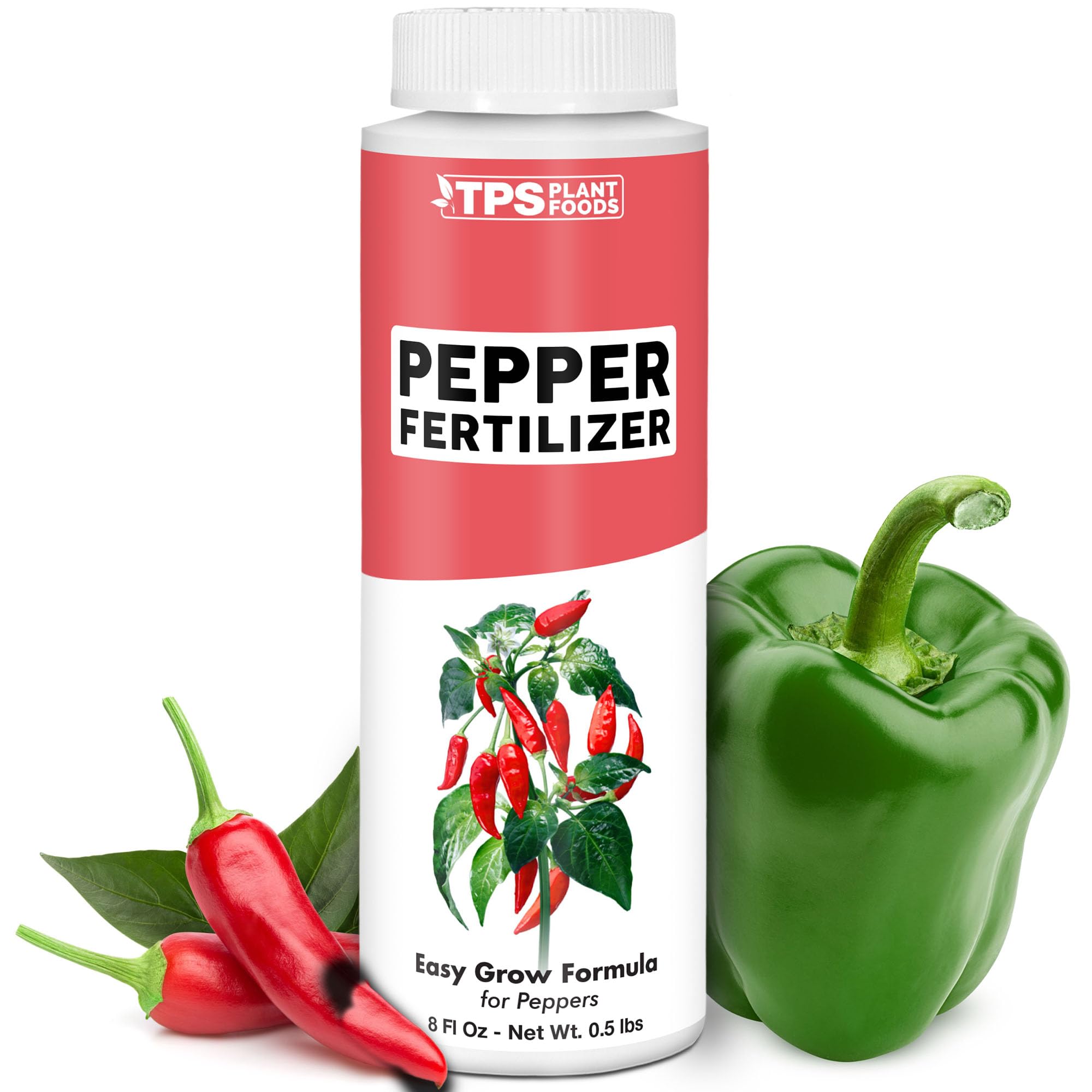
This liquid fertilizer is a solid choice for anyone who wants steady growth and reliable fruit production from their pepper plants.
Pros
Want to Grow Fresh Food at Home?
Grab the Beginner’s Guide to Thriving Gardens—your step-by-step plan to grow real food in any backyard, patio, or balcony. Perfect for first-time gardeners!
Buy the Ebook for $14Includes 7 free bonus guides • Instant download • Beginner-friendly
- Simple to mix and apply without mess
- Boosts pepper growth and fruit set quickly
- Compact bottle that stores easily
Cons
- Small size runs out faster than expected
- Needs regular applications to maintain results
- Liquid can settle and requires shaking before use
We noticed our pepper plants perked up after just a couple of feedings with this fertilizer. The leaves looked greener, and the plants started setting more flowers within a short time. It didn’t feel complicated to use, which made it easy to stick with.
The small 8-ounce bottle is convenient to handle, but it does run out quicker than we’d like if we have a larger garden. We had to plan ahead to make sure we had enough on hand for the whole season. That said, the concentrated formula means a little goes a long way.
We also liked that the instructions were clear and simple. It took the guesswork out of mixing, and we didn’t worry about overfeeding. Overall, this product gave us consistent results and kept our peppers producing well through the season.
Jobe’s Organics Garden Fertilizer

This fertilizer works well for peppers if we want a simple, organic option that is safe and easy to apply.
Pros
- Breaks down steadily and feeds plants over time
- Safe to use around kids and pets
- Helps peppers grow strong without chemical residue
Cons
- Granules can clump if stored in damp places
- Needs reapplying every few weeks
- Bag reseal could be sturdier
We noticed our pepper plants responded quickly after adding this fertilizer. The leaves looked greener, and the plants seemed to push out more blossoms within a couple of weeks. It felt like the nutrients were absorbed steadily rather than all at once.
The granules spread evenly and didn’t give off any strong odor, which made handling them easy. We liked that it didn’t leave a mess in the soil and didn’t attract pests. Applying it every month or so kept the peppers healthy without much extra effort.
One drawback is the packaging. The bag isn’t the most durable, and if we left it in a humid spot, the fertilizer clumped together. Still, with dry storage and a scoop, it stayed manageable. For us, the benefits outweighed the small inconveniences, and it fit nicely into our regular garden care routine.
True Organic Liquid Tomato & Vegetable Food

We recommend this fertilizer for anyone who wants steady growth and healthier peppers without needing complicated steps.
Pros
- Simple to mix and apply
- Noticeable boost in plant health
- Works well in containers and garden beds
Cons
Want to Grow Fresh Food at Home?
Grab the Beginner’s Guide to Thriving Gardens—your step-by-step plan to grow real food in any backyard, patio, or balcony. Perfect for first-time gardeners!
Buy the Ebook for $14Includes 7 free bonus guides • Instant download • Beginner-friendly
- Strong odor during use
- Needs reapplication every two weeks
- Coverage is limited for larger gardens
When we used this liquid fertilizer, the first thing we noticed was how easy it was to prepare. Mixing a small amount into water and pouring it around the base of our pepper plants felt quick and manageable. The plants responded with stronger leaves and steady new growth within a short time.
The smell, however, is hard to ignore. It lingers for a bit after application, which makes it less pleasant to use near patios or windows. Still, the results outweighed the inconvenience for us, especially since our peppers looked healthier than before.
We also found the coverage fair for small gardens, but larger plots would need more than one bottle to stay on schedule. For container peppers or a modest backyard space, though, True Organic Liquid Tomato & Vegetable Food fits well into a regular routine and keeps plants consistently nourished.
Leaves and Soul Pepper Fertilizer

This liquid fertilizer works well for peppers if we want steady growth and healthier yields without much hassle.
Pros
- Mixes easily with water for quick use
- Encourages strong growth in peppers and other vegetables
- Small bottle goes a long way with proper dilution
Cons
- Easy to overuse and damage plants
- Color and consistency can vary between bottles
- Results may be modest with seedlings
We tried this fertilizer on our pepper plants, and the difference showed within a couple of weeks. The leaves looked greener, and the plants stood taller compared to the ones we left untreated. It didn’t take much effort to mix it, which made feeding the garden simple.
When we tested it on both hot and sweet peppers, the plants responded well. Growth was steady, and fruit set seemed more consistent. We also used it on a few tomatoes, and they handled it just as well, which made the product feel more versatile.
The only drawback we noticed was that it’s easy to add too much. A few seedlings burned when we weren’t careful with the dilution. Another small issue was that one bottle looked different in color than the last, which made us question the consistency. Still, with careful use, this fertilizer gave us healthy plants and a solid pepper harvest.
FoxFarm Happy Frog Tomato & Veg Fertilizer

We recommend this fertilizer for anyone who wants steady growth and healthier peppers without using synthetic products.
Pros
- Boosts pepper growth with consistent results
- Improves root strength and soil health
- Organic formula safe for edible plants
Cons
- Strong earthy smell when first applied
- Bag size runs out quickly in larger gardens
- Can clump if stored in damp areas
We noticed our peppers responded quickly after mixing this fertilizer into the soil. The plants grew greener leaves, and the blossoms held better compared to previous seasons. It feels reliable because the nutrients seem balanced and not too harsh.
Application was simple since the granules spread evenly. We liked that it didn’t leave a sticky mess or residue. The addition of mycorrhizal fungi seemed to make a difference in root development, especially in containers where soil dries out faster.
One thing we did not enjoy was the smell right after watering it in. It fades, but it can be strong at first. The 4-pound bag also goes fast if you’re feeding multiple pepper plants, so we had to restock sooner than expected. Despite that, the results made it worth keeping on hand.
Perfect Plants Pepper Leaf Spray Fertilizer
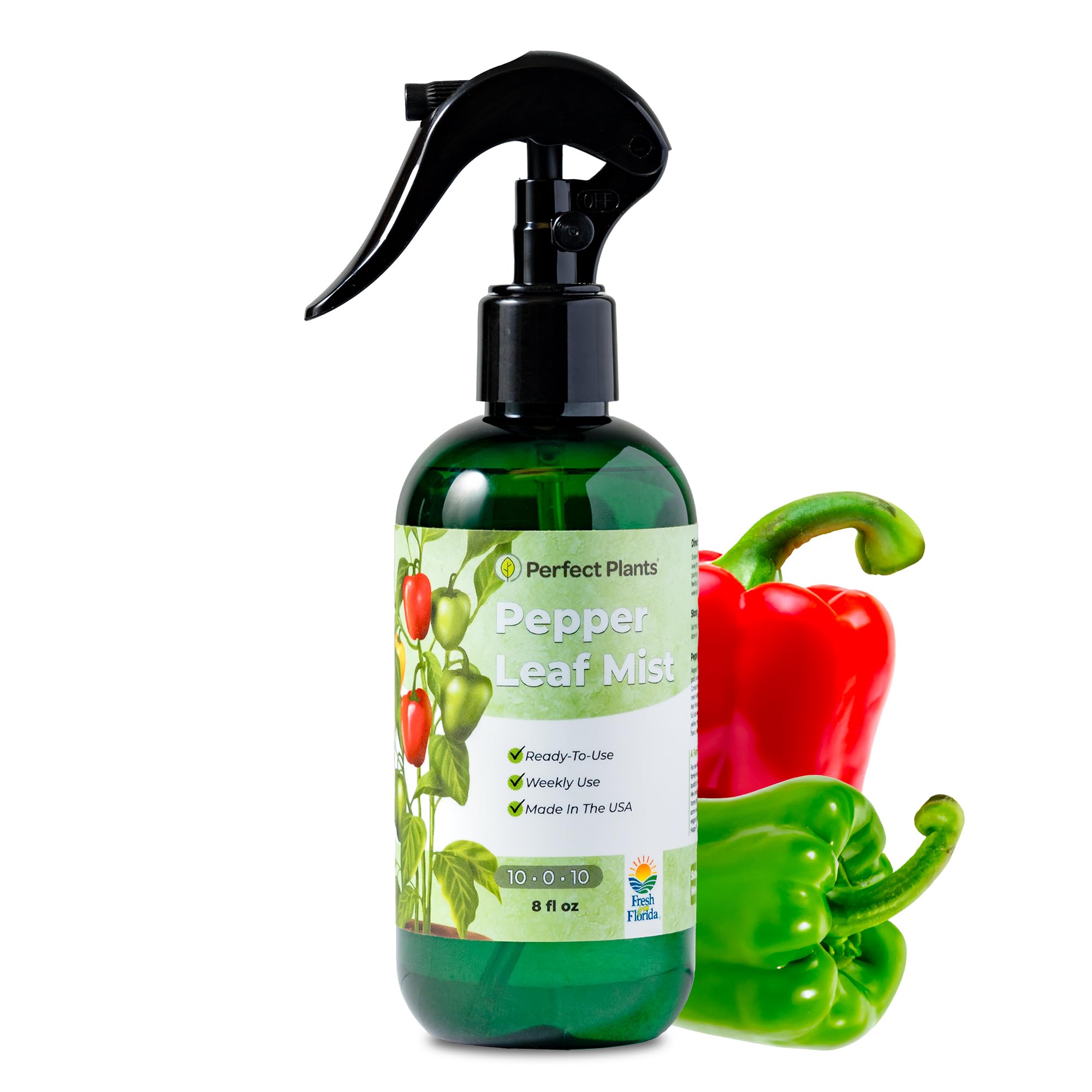
This foliar spray works well for steady pepper growth if we want an easy, no-mix fertilizer.
Pros
- Simple to apply with no mixing needed
- Formula encourages strong stems and steady fruiting
- Gentle enough for weekly use without leaf burn
Cons
- Small bottle runs out quickly on larger gardens
- Spray application can feel uneven on windy days
- Not as effective if we skip regular weekly use
We liked how quick it was to spray this on our pepper plants. The bottle came ready to use, and we didn’t have to measure or mix anything. That made it easy to work into our weekly routine without creating a mess.
The plants responded with fuller leaves and stronger stems after a few weeks. We noticed more consistent flowering, which helped set up a good number of peppers. Because it skips phosphorus, we felt better about using it often without worrying about runoff.
The only drawback is the size. At 8 ounces, it doesn’t last long if we have more than a few pepper plants. We also found that spraying on breezy days wasted product, so timing matters. Still, for a small to medium garden, this Perfect Plants Pepper Leaf Spray Fertilizer feels like a reliable and practical option.
Organic Plant Magic Fertilizer

This is a solid choice if we want an easy-to-use organic fertilizer that helps peppers grow strong without relying on chemicals.
Pros
- Simple to mix and apply with water
- Small amount covers a large area
- Supports steady, balanced growth
Cons
- Powder takes effort to fully dissolve
- Can leave stains if spilled on concrete
- Costs more than some other options
We tried Organic Plant Magic in our pepper patch, and the plants responded quickly. The leaves looked greener within a week, and the peppers developed a deeper color as they grew. Mixing it into our regular watering routine felt straightforward, though we had to stir longer than expected to get the powder to break down.
The bag may look small, but it actually stretches farther than we thought. A little scoop treated several rows of peppers, and we didn’t feel like we were wasting product. It gave us confidence that the soil was getting more than just the basics since it includes trace minerals and natural additives.
One thing we noticed is that it can be messy if spilled. We learned to mix it outside and away from concrete since it can leave marks. Price-wise, it isn’t the cheapest, but the results made it worthwhile for us because the peppers came out healthier and more flavorful than with standard fertilizer.
Buying Guide
When we choose an organic fertilizer for peppers, we need to look at the nutrient balance. Peppers usually do best with a fertilizer that has more phosphorus and potassium than nitrogen. This helps with fruit growth instead of just leaf growth.
We should also check the form of the fertilizer. Some come as granules, others as liquid concentrates, and some as slow-release pellets. Liquids act faster, while granules and pellets last longer in the soil.
It is important to read the label for N-P-K ratio. A balanced mix supports healthy roots, flowers, and fruit. We should also make sure the product is approved for organic use.
Common Fertilizer Forms
| Type | Benefits | Things to Note |
|---|---|---|
| Liquid | Quick results, easy to apply | Needs frequent reapplication |
| Granular | Easy to measure, steady release | May need mixing into soil |
| Slow-release | Long-lasting, less maintenance | Slower to show effects |
We may also want to consider ease of use. A product that fits our watering routine will save time and effort. If we prefer less frequent feeding, slow-release options may be better.
Finally, we should think about soil condition. If our soil is already rich in nitrogen, we may need a fertilizer with more phosphorus and potassium. Testing soil before buying can help us pick the right option.
Frequently Asked Questions
We focus on the nutrients peppers need, the best fertilizer ratios, and how container or hot pepper growth may change what we use. We also look at whether the same fertilizers work well for both peppers and tomatoes.
What type of fertilizer yields the best results for growing pepper plants?
We see the best results with balanced organic fertilizers that include nitrogen, phosphorus, and potassium. Compost, worm castings, and fish emulsion provide steady nutrients without overwhelming the plants.
How can I create effective homemade fertilizer for my pepper plants?
We can mix compost, aged manure, and crushed eggshells to build a nutrient-rich base. Adding banana peels for potassium or coffee grounds for nitrogen also supports healthy growth.
What are the optimal fertilizer ratios for nurturing pepper plants?
We aim for a ratio close to 5-10-10 or 4-6-8, which supports root development and fruiting. Too much nitrogen can cause lush leaves but fewer peppers, so we keep it balanced.
Which fertilizer should I use for peppers grown in containers?
We prefer slow-release organic fertilizers combined with liquid feeds like fish emulsion or compost tea. Container soil loses nutrients faster, so we fertilize more often in smaller amounts.
Is there a specific fertilizer that is recommended for hot pepper varieties?
We use the same balanced ratios but sometimes increase potassium slightly to support fruit production. Hot peppers respond well to compost and seaweed-based fertilizers for strong growth and flavor.
Can the same fertilizers be used for both peppers and tomatoes effectively?
Yes, both crops benefit from similar nutrient needs. Organic fertilizers with moderate nitrogen and higher phosphorus and potassium work well for both peppers and tomatoes.
Want to Grow Fresh Food at Home?
Grab the Beginner’s Guide to Thriving Gardens—your step-by-step plan to grow real food in any backyard, patio, or balcony. Perfect for first-time gardeners!
Buy the Ebook for $14Includes 7 free bonus guides • Instant download • Beginner-friendly

