Lima Beans Two Ways: How to Grow Pole vs. Bush Lima Beans
This post may contain affiliate links. If you purchase through them, I may earn a small commission at no extra cost to you. As an Amazon Associate, I earn from qualifying purchases.
Growing lima beans gives you a steady supply of healthy, protein-rich vegetables with little effort once you understand their needs. You grow pole lima beans by training their vines up sturdy supports like poles or trellises, while bush lima beans stay compact and thrive in smaller spaces. Both types reward you with abundant pods when you plant them in warm, well-drained soil and give them full sunlight.
5 Quick-Start Garden Plans for Growing Fresh Food at Home (Free PDF)
Get beginner-friendly raised bed garden layout plans, simple container garden ideas, and a flexible salad garden plan you can put to work right away. Perfect for small spaces, patios, and first-season growers.
Instant email delivery • Unsubscribe anytime
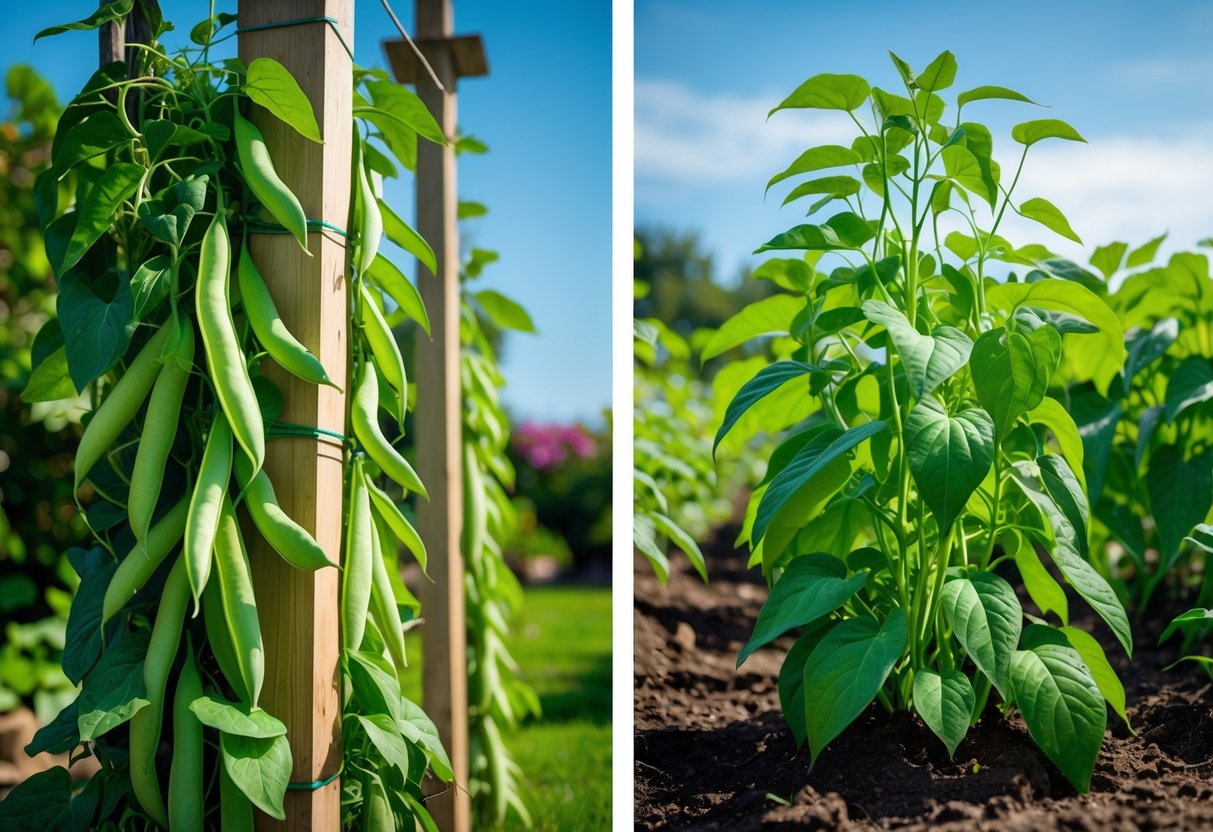
Pole lima beans climb high and produce over a longer season, making them ideal if you have vertical space. Bush lima beans mature faster and don’t need support, which makes them easier to manage in tight gardens. With the right soil, spacing, and watering, you can enjoy a generous harvest from either type.
Each step—from planting to harvest—builds toward a simple goal: strong plants and flavorful beans. Once you learn how to meet their basic needs, you’ll find growing lima beans both productive and satisfying.
Want to Grow Fresh Food at Home?
Grab the Beginner’s Guide to Thriving Gardens—your step-by-step plan to grow real food in any backyard, patio, or balcony. Perfect for first-time gardeners!
Buy the Ebook for $14Includes 7 free bonus guides • Instant download • Beginner-friendly
Key Takeaways
- Choose the right type of lima bean based on your space and time.
- Prepare warm, well-drained soil and give plants full sun.
- Support healthy growth with consistent watering and timely harvesting.
Choosing Between Pole and Bush Lima Beans
Lima beans (Phaseolus lunatus) come in two main forms—pole and bush. Each type grows differently, produces distinct yields, and suits specific garden conditions. Knowing how they differ helps you plan space, support, and harvest timing effectively.
Key Differences in Growth Habits
Bush lima beans grow compactly, reaching about 2 feet tall. They stand upright without support, making them easier to manage in small gardens or containers. Bush types mature faster, often producing beans in 60–80 days. Because they grow all at once, you can harvest most pods in a short period.
Pole lima beans climb tall supports like trellises or poles and can reach 10–12 feet. They produce beans over a longer season, giving you multiple harvests. According to Weekand, pole limas may yield more in warm, humid regions because their vines stay off the ground and resist disease better.
| Feature | Bush Lima Beans | Pole Lima Beans |
|---|---|---|
| Height | Up to 2 ft | 10–12 ft |
| Maturity | 60–80 days | 85–90 days |
| Support Needed | No | Yes |
| Harvest Pattern | Short, concentrated | Extended, continuous |
Popular Lima Bean Varieties
You can choose from many lima bean varieties depending on your growing conditions and taste. Among bush lima beans, Henderson Bush and Fordhook 242 are reliable. Henderson Bush produces small, tender baby limas, also known as butter beans, in about 65 days. Fordhook 242 grows plump, creamy seeds and tolerates cooler weather.
Popular pole lima beans include King of the Garden and Christmas. King of the Garden grows large pods on vines up to 12 feet tall and matures in about 90 days. Christmas limas have colorful red-and-white seeds and a rich flavor. As noted by Harvest to Table, large-seeded pole types often produce higher yields but need a longer growing period.
Selecting the Right Type for Your Garden
Choose bush lima beans if you have limited space or a short growing season. They fit raised beds, containers, and compact plots. Their quick maturity lets you harvest earlier, even before hot weather peaks.
Opt for pole lima beans when you can provide sturdy supports and have a long, warm season. They perform well in humid areas where airflow prevents disease. Pole types also save ground space by growing vertically.
If you want both early and extended harvests, plant bush limas first, then follow with pole limas for a steady supply through late summer. This succession planting gives you the best of both growth habits.
Soil Preparation and Planting Requirements
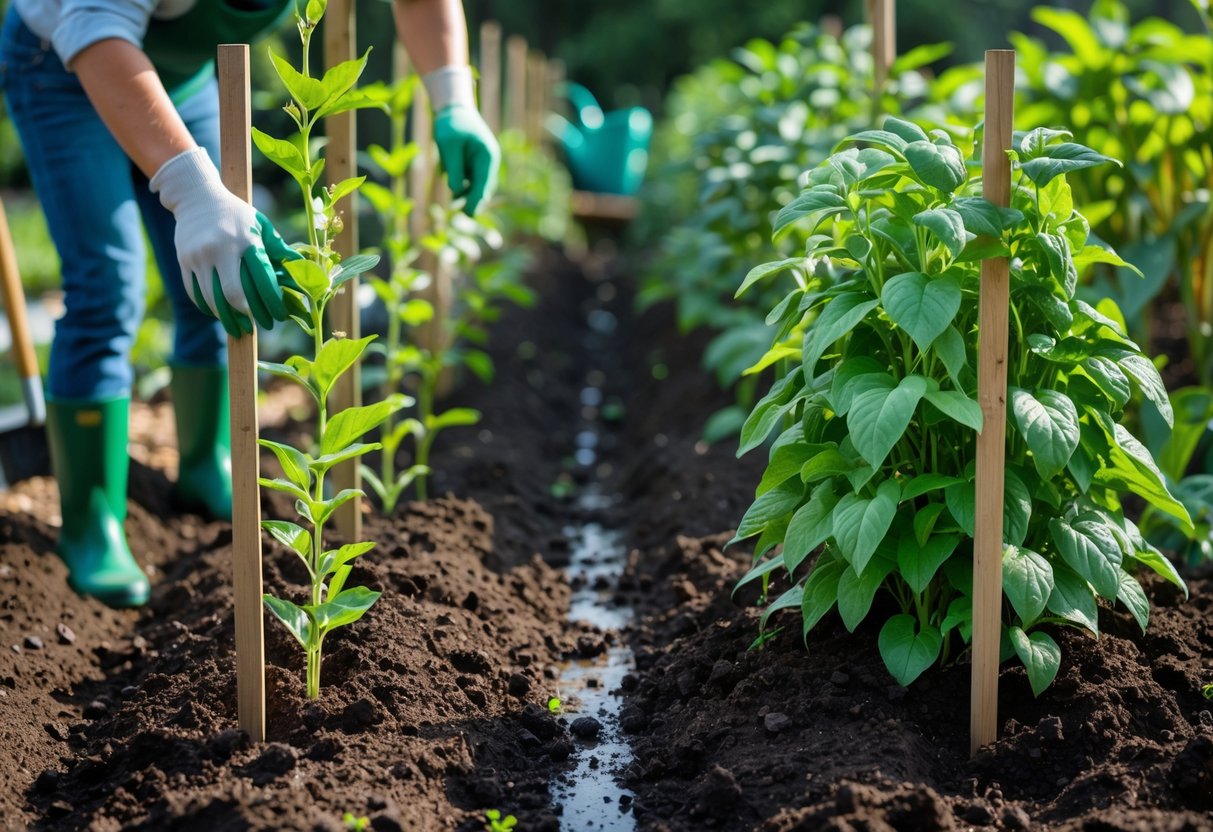
Lima beans grow best in loose, fertile soil that drains well and stays evenly moist. You need warm soil, steady sunlight, and enough space between plants to support healthy root and pod development.
Want to Grow Fresh Food at Home?
Grab the Beginner’s Guide to Thriving Gardens—your step-by-step plan to grow real food in any backyard, patio, or balcony. Perfect for first-time gardeners!
Buy the Ebook for $14Includes 7 free bonus guides • Instant download • Beginner-friendly
Ideal Soil Type and pH
Use loamy soil rich in organic matter for the best growth. Loam holds moisture without becoming soggy and gives roots enough air. Mix in aged compost or well-rotted manure before planting to improve soil texture and nutrients.
Keep the soil pH between 6.0 and 6.8. You can test your soil with a home kit or through a local extension office. If the pH is too low, add lime; if it’s too high, add sulfur or peat moss.
Avoid planting lima beans in compacted or heavy clay soil. Roots in dense soil struggle to spread and may rot. For better drainage, form raised rows or beds in your vegetable garden.
How to Plant Lima Beans
Plant lima beans only after the soil warms to at least 65°F (18°C) for five days in a row. Cold, wet soil can cause seeds to rot. Bush and pole types both prefer full sun—at least 6 to 8 hours daily.
For bush varieties, sow seeds directly into the garden. For pole types, set up stakes or trellises before planting so you don’t disturb roots later. You can start seeds indoors 2–3 weeks before the last frost in biodegradable pots and transplant them once the soil is warm.
Avoid adding high-nitrogen fertilizer. Lima beans fix their own nitrogen through root nodules. Too much nitrogen encourages leafy growth but fewer pods. Compost or a balanced vegetable fertilizer is enough to support healthy plants.
Spacing and Depth Guidelines
Sow seeds 1½ to 2 inches deep in moist, well-prepared soil. For bush lima beans, space seeds 3 to 6 inches apart in rows 24 to 30 inches apart. For pole lima beans, space seeds 6 to 10 inches apart in rows 30 to 36 inches apart.
If you prefer hill planting, place 5–6 seeds per hill and space hills about 40 inches apart. Thin seedlings once they sprout, keeping the strongest plants.
Keep soil evenly moist during germination but not soaked. Once seedlings appear, apply a light mulch to conserve moisture and reduce weeds. For more detailed planting guidance, visit Harvest to Table’s guide to growing lima beans.
Growing and Caring for Lima Beans
Lima beans need steady moisture, balanced nutrients, and proper support to grow strong and produce a good harvest. You can improve plant health and yield by keeping the soil evenly moist, avoiding excess nitrogen, and giving pole varieties sturdy structures to climb.
Watering and Mulching Best Practices
Keep the soil evenly moist but not soggy. Water about 1 inch per week, adjusting during hot or dry weather. Use a drip system or water at the base to avoid wetting the leaves, which can lead to fungal problems.
Mulch helps maintain soil moisture and prevents weed growth. Apply 2–3 inches of straw, compost, or shredded leaves once the soil warms above 60°F. Avoid piling mulch against stems to prevent rot.
Lima beans have shallow roots, so avoid deep cultivation. Instead, lightly loosen the topsoil if it becomes compacted. Consistent watering supports pod development and helps prevent flower drop, especially in hot weather. Learn more about watering techniques from Harvest to Table.
Want to Grow Fresh Food at Home?
Grab the Beginner’s Guide to Thriving Gardens—your step-by-step plan to grow real food in any backyard, patio, or balcony. Perfect for first-time gardeners!
Buy the Ebook for $14Includes 7 free bonus guides • Instant download • Beginner-friendly
Fertilization and Nutrient Needs
Lima beans fix their own nitrogen through root bacteria, so they need little or no added nitrogen fertilizer. Too much nitrogen encourages leaf growth instead of pods. Use aged compost or a balanced organic fertilizer before planting to enrich the soil.
A soil pH between 6.0 and 6.8 supports healthy growth. If your soil is poor, mix in composted manure or a small amount of low-nitrogen fertilizer, such as 5-10-10.
Side-dress with compost midseason if plants appear weak or pale. Avoid high-nitrogen fertilizers like fresh manure. Proper feeding ensures your fresh lima beans develop firm, flavorful pods. For more fertilization details, visit Growing in the Garden.
Supporting Pole Lima Beans
Pole lima beans need strong support to reach their full height of 10–12 feet. Use stakes, trellises, or teepees made from wood, bamboo, or metal. Install supports before planting to avoid damaging roots later.
Space poles about 3–4 feet apart and plant 4–6 seeds per pole. As vines grow, gently guide them to climb. Secure loose vines with soft ties if needed.
Good air circulation reduces disease risk and helps pods dry evenly. Regularly check supports for stability, especially after storms. For practical setup ideas, see Plantonomics.
Harvesting, Storage, and Pest Management
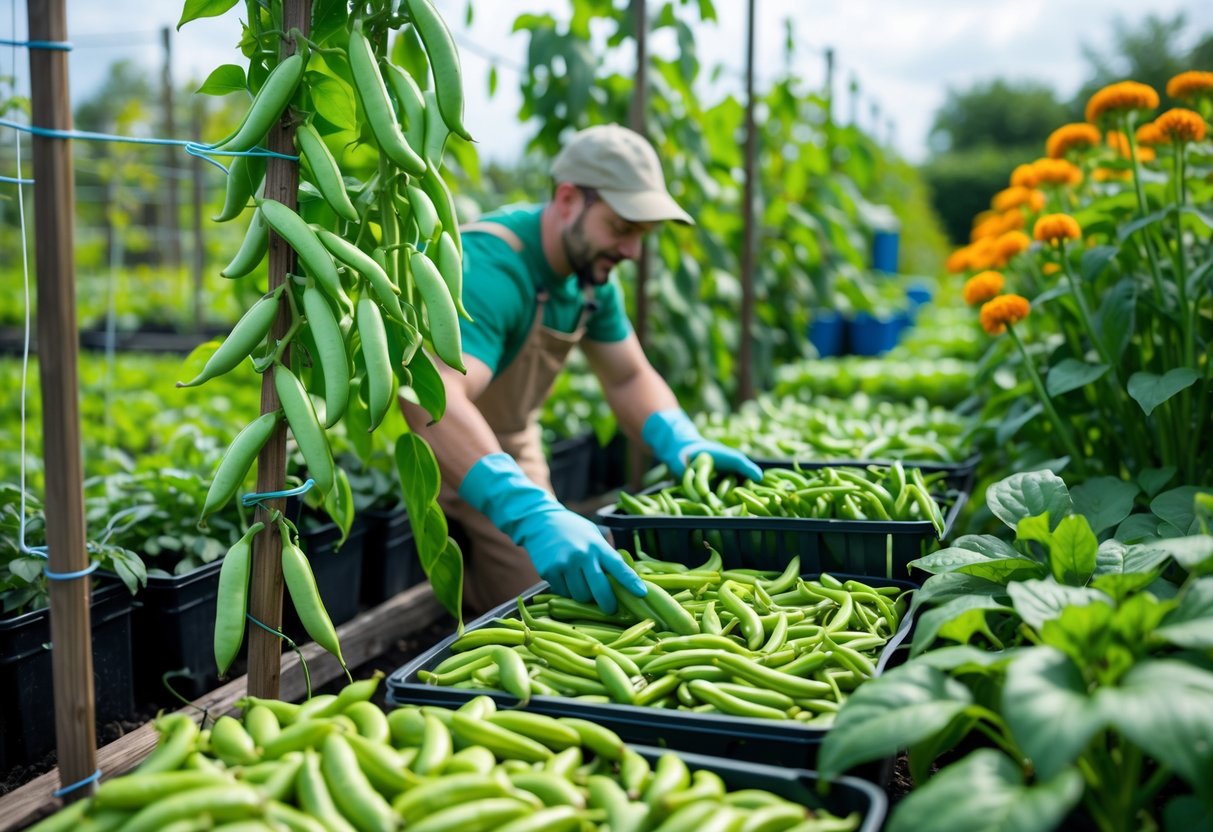
You can get the best results from your lima bean plants by picking pods at the right time, storing them correctly, and keeping pests under control. Paying attention to pod color, moisture levels, and insect activity helps protect both fresh and dried beans for later use.
When and How to Harvest
Pick lima beans when the pods are firm and plump but still green. If you wait too long, the beans become tough. Bush varieties often mature all at once, while pole types produce over several weeks. Regular picking encourages more pods to form.
For fresh beans, snap pods from the plant carefully to avoid damaging vines. To produce dried lima beans, leave pods on the plant until they turn brown and begin to rattle. Then, pull the whole plant and hang it in a dry, airy place to finish drying.
After drying, shell the beans and store them in breathable containers. Keeping the pods dry on the vine improves flavor and reduces mold risk. You can find more harvesting details from Tips Bulletin’s guide on when to pick lima beans.
Storing Fresh and Dried Lima Beans
Fresh lima beans should be used soon after harvest. Store them in a perforated plastic bag in the refrigerator for up to one week. Do not wash them until you are ready to cook.
For long-term storage, dry the beans completely before sealing them in airtight jars or containers. Keep them in a cool, dark, and dry place to prevent moisture damage. Properly dried beans can last up to a year.
If you plan to cook dishes like succotash, rehydrate dried beans by soaking them overnight. This restores their texture and shortens cooking time. For more storage guidance, see the Farmers’ Almanac instructions for harvesting and drying pole beans.
Managing Pests and Common Issues
Common pests include bean beetles, aphids, and spider mites. Inspect leaves regularly for yellow spots or small holes. Remove affected leaves and handpick beetles when possible.
Use floating row covers early in the season to block insects. Encourage beneficial insects such as ladybugs that feed on aphids. Water the soil directly instead of wetting the foliage to reduce disease risk.
To prevent fungal problems, space plants for good airflow and rotate crops yearly. Healthy plants resist pests better and produce a stronger yield. You can review additional pest management advice in the Greg App guide to growing lima beans.
Frequently Asked Questions
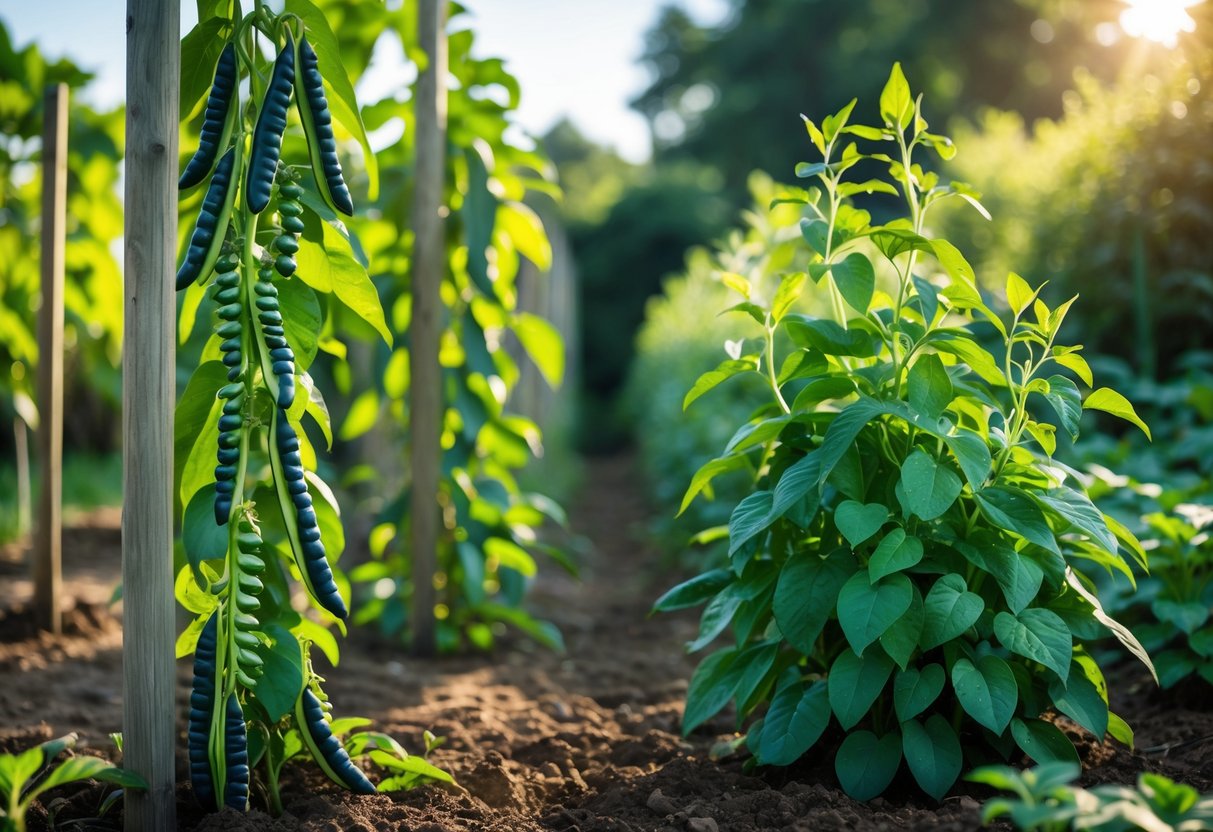
You can grow lima beans in many ways, from outdoor gardens to small indoor setups. Both pole and bush varieties need warm soil, steady moisture, and good sunlight to thrive.
What is the best way to plant pole lima beans?
Plant pole lima beans about 6 to 10 inches apart in rows spaced 30 to 36 inches apart. Use a trellis, pole, or fence for support since vines can reach 10 to 12 feet tall. Sow seeds 1½ to 2 inches deep after the soil warms to at least 65°F for five days.
Can you grow lima beans indoors, and if so, how?
You can start lima beans indoors 2 to 3 weeks before the last frost. Use biodegradable pots filled with loose, well-draining soil and keep them in a warm, sunny spot. Transplant the seedlings outdoors once the soil temperature stays above 65°F.
What are the necessary conditions for growing bush lima beans successfully?
Bush lima beans grow best in full sun with 6 to 8 hours of direct light daily. They prefer rich, well-drained soil with a pH between 6.0 and 6.8. Keep the soil evenly moist but not soggy to avoid seed cracking or poor germination.
How can you grow lima beans in containers?
Grow bush lima beans in containers at least 8 inches deep. Use high-quality potting soil mixed with compost for nutrients. Place the container in a sunny location and water regularly to keep the soil moist but not waterlogged.
What are the steps to grow a lima bean in a bag or cup for educational purposes?
Place a damp paper towel inside a clear plastic bag or cup, then add a lima bean seed between the towel and the side of the container. Seal the bag or cover the cup loosely and keep it in a warm, bright area. Once the seed sprouts roots and leaves, transplant it into soil.
How tall do bush lima beans grow, and what support structures are needed?
Bush lima beans grow about 1 to 2 feet tall and usually do not need support. Their compact shape makes them easy to manage in small gardens or containers. Keep enough space between plants for airflow and easy harvesting.
Want to Grow Fresh Food at Home?
Grab the Beginner’s Guide to Thriving Gardens—your step-by-step plan to grow real food in any backyard, patio, or balcony. Perfect for first-time gardeners!
Buy the Ebook for $14Includes 7 free bonus guides • Instant download • Beginner-friendly


