How to Grow Green Mung Beans: Step-by-Step Home Guide
This post may contain affiliate links. If you purchase through them, I may earn a small commission at no extra cost to you. As an Amazon Associate, I earn from qualifying purchases.
Growing green mung beans is simple and rewarding, whether you want fresh sprouts for the kitchen or a full harvest from the garden. You can grow mung beans by planting them in warm soil with good drainage, watering lightly, and harvesting in about three months. Their quick growth and low maintenance make them a practical choice for anyone wanting to add a nutritious crop to their space.
5 Quick-Start Garden Plans for Growing Fresh Food at Home (Free PDF)
Get beginner-friendly raised bed garden layout plans, simple container garden ideas, and a flexible salad garden plan you can put to work right away. Perfect for small spaces, patios, and first-season growers.
Instant email delivery • Unsubscribe anytime
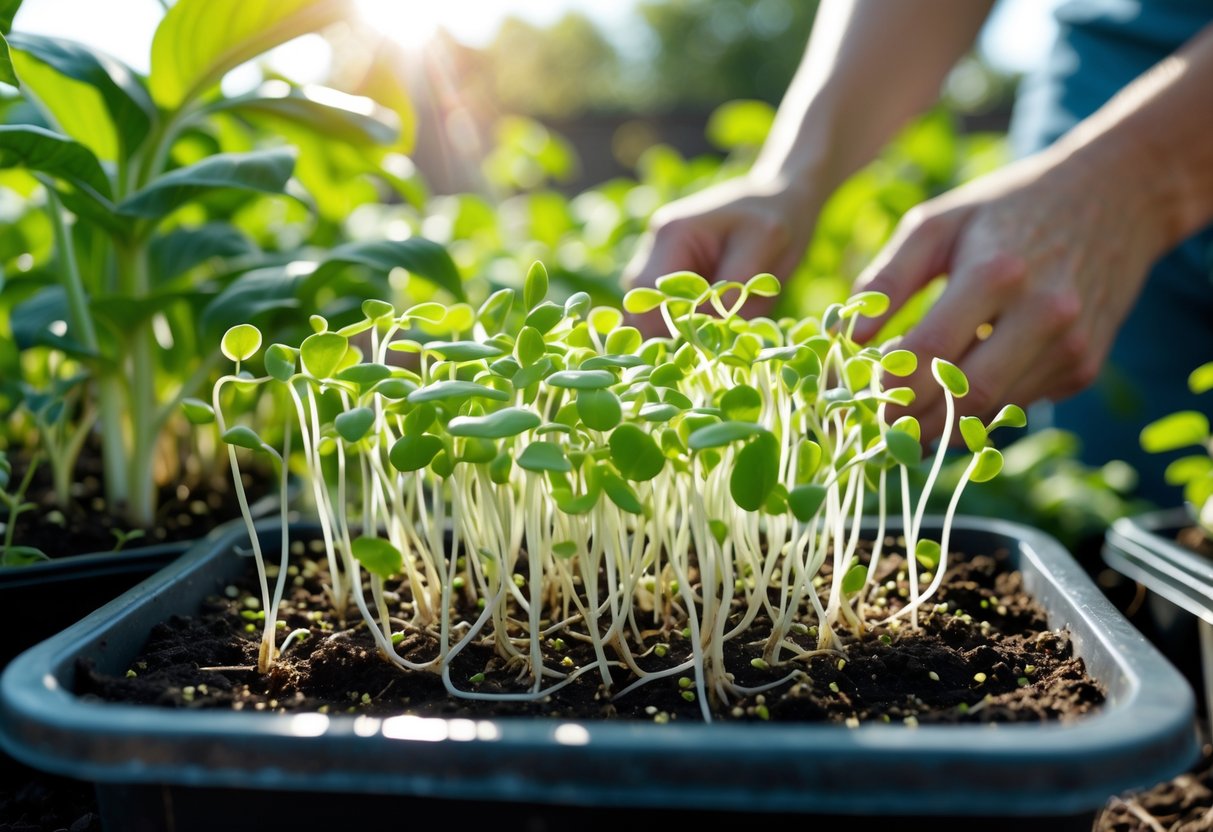
You can also sprout mung beans indoors with just a jar, water, and a little patience. With regular rinsing, sprouts are ready to eat in less than a week, giving you a fast way to enjoy their crisp texture and mild flavor. This flexibility makes mung beans one of the easiest plants to grow at home.
Whether you choose to grow them outdoors for a steady harvest or indoors for quick sprouts, you’ll find that mung beans fit into almost any lifestyle. Once you learn the basics, you can enjoy fresh, protein-rich beans with very little effort.
Want to Grow Fresh Food at Home?
Grab the Beginner’s Guide to Thriving Gardens—your step-by-step plan to grow real food in any backyard, patio, or balcony. Perfect for first-time gardeners!
Buy the Ebook for $14Includes 7 free bonus guides • Instant download • Beginner-friendly
Key Takeaways
- Learn simple steps to grow mung beans indoors or outdoors
- Understand how to care for plants for healthy growth
- Discover when and how to harvest for best results
Essential Steps for Growing Green Mung Beans
Green mung beans, also called green gram, grow best when you start with healthy seeds, prepare well-draining soil, and give them consistent care. Paying attention to spacing, watering, and sunlight helps ensure steady growth and a reliable harvest at home.
Choosing Quality Mung Bean Seeds
Start with high-quality mung bean seeds to avoid weak germination. Look for seeds that are uniform in size, unbroken, and free from discoloration or mold. Certified organic or untreated seeds are a safe choice if you plan to sprout them later.
If you buy seeds from a local supplier, check the packaging date. Fresh seeds usually germinate better than older ones. Avoid storing seeds in humid conditions since excess moisture can reduce viability.
You can also select seeds based on your purpose. Use food-grade mung beans if you want to sprout them indoors, but choose agricultural-grade seeds if you plan to grow mung bean plants outdoors for pods. Reliable seed quality makes a big difference in yield and plant health.
Preparing Soil or Growing Medium
Mung beans grow best in loamy, well-drained soil with a pH between 6.0 and 7.5. If your soil is heavy clay, mix in sand or compost to improve drainage. Sandy soil may need added organic matter to hold moisture.
Before planting mung beans, test your soil. A simple kit can show pH and nutrient levels. If the soil is too acidic, add lime; if too alkaline, add sulfur. Balanced soil helps roots absorb nutrients effectively.
Apply a 2–3 inch layer of compost or aged manure and work it into the top 6–8 inches. This adds nutrients and improves soil texture. Mulching with straw or shredded leaves after planting helps retain moisture and suppress weeds. A well-prepared growing medium is key to strong root development.
Planting and Germination Process
Plant mung bean seeds directly in the ground once soil temperatures stay above 65°F (18°C). These plants do not transplant well, so direct sowing is preferred. Place seeds about 1 inch deep in rows spaced 18–24 inches apart. Within each row, keep seeds 2–3 inches apart.
Water gently after planting to settle the soil. Keep the top layer moist but not waterlogged. Overwatering at this stage can cause seeds to rot. Germination usually takes 7–14 days under warm conditions.
Want to Grow Fresh Food at Home?
Grab the Beginner’s Guide to Thriving Gardens—your step-by-step plan to grow real food in any backyard, patio, or balcony. Perfect for first-time gardeners!
Buy the Ebook for $14Includes 7 free bonus guides • Instant download • Beginner-friendly
If you grow mung beans in containers, use pots at least 12 inches deep with drainage holes. Follow the same spacing guidelines but avoid overcrowding. Proper spacing ensures each plant receives enough sunlight and airflow to reduce disease risk.
Caring for Mung Bean Plants
Mung beans need at least 6 hours of direct sunlight daily. They tolerate dry conditions but still benefit from consistent watering, especially during flowering and pod development. Water at the base to avoid wetting foliage, which can reduce fungal problems.
Weed control is important in the early stages. Remove weeds by hand or use mulch to block growth. Keep the soil loose to allow air and water to reach the roots.
Fertilizer is usually unnecessary since mung beans fix nitrogen in the soil. However, if growth looks slow, a light application of balanced organic fertilizer can help. Watch for pests like aphids and beetles, and remove them promptly. Healthy plants will produce pods in about 90–100 days, ready for harvest when they turn yellow and dry.
For more detailed steps on how to grow mung beans, you can explore guides such as this one on planting and care or this overview of growing green mung beans.
Harvesting and Sprouting Green Mung Beans
You can collect mature mung beans from the garden for storage or sprouting, and you can also grow fresh sprouts indoors in just a few days. Proper timing during harvest, careful handling, and correct storage methods help you get the best yield and quality.
Harvesting Mature Mung Beans
Mung beans usually reach maturity about 90–100 days after planting. The pods change color as they ripen, turning darker and drier. Harvest when about 60% of the pods are mature, since not all pods ripen at the same time.
Cut the entire plant, tie it into small bundles, and hang it upside down to dry. Place a clean sheet or tray underneath to catch any seeds that fall during drying.
Once the pods are fully dry, shell them by hand or by gently rubbing the pods until the seeds separate. Store the dried beans in airtight glass jars to protect them from pests and moisture.
If you plan to sprout mung beans later, keep them in a cool, dry place. Freezing the beans for a short time can also help prevent insect damage without harming seed viability.
Sprouting Mung Beans Indoors
To sprout mung beans indoors, start by soaking the beans in water overnight, about 8–12 hours. Use a ratio of roughly 1 cup of beans to 2–3 cups of water. After soaking, drain and rinse the beans thoroughly.
Place the beans in a clean jar or sprouting container. Cover the opening with a breathable cloth or mesh lid to allow airflow. Keep the container in a dim location, as sprouts grow best out of direct sunlight.
Rinse and drain the beans 2–3 times per day. Within 2 days, you will see small white shoots. If you prefer longer sprouts, continue the rinsing cycle for up to 5 days. For detailed steps, see this guide on how to sprout mung beans.
Want to Grow Fresh Food at Home?
Grab the Beginner’s Guide to Thriving Gardens—your step-by-step plan to grow real food in any backyard, patio, or balcony. Perfect for first-time gardeners!
Buy the Ebook for $14Includes 7 free bonus guides • Instant download • Beginner-friendly
Storing and Using Mung Bean Sprouts
Freshly sprouted mung beans are best eaten right away, but you can refrigerate them for up to 3–4 days. Store them in a covered container lined with a paper towel to absorb excess moisture. Avoid sealing them in airtight plastic bags, as trapped moisture speeds spoilage.
Mung bean sprouts can be eaten raw in salads, added to sandwiches, or lightly cooked in stir-fries and soups. Cooking them for just a few minutes helps preserve their crisp texture.
If you grow sprouts regularly, stagger small batches every few days. This way you will always have a fresh supply without worrying about sprouts going bad. For more tips, see this guide on growing mung bean sprouts at home.
Frequently Asked Questions
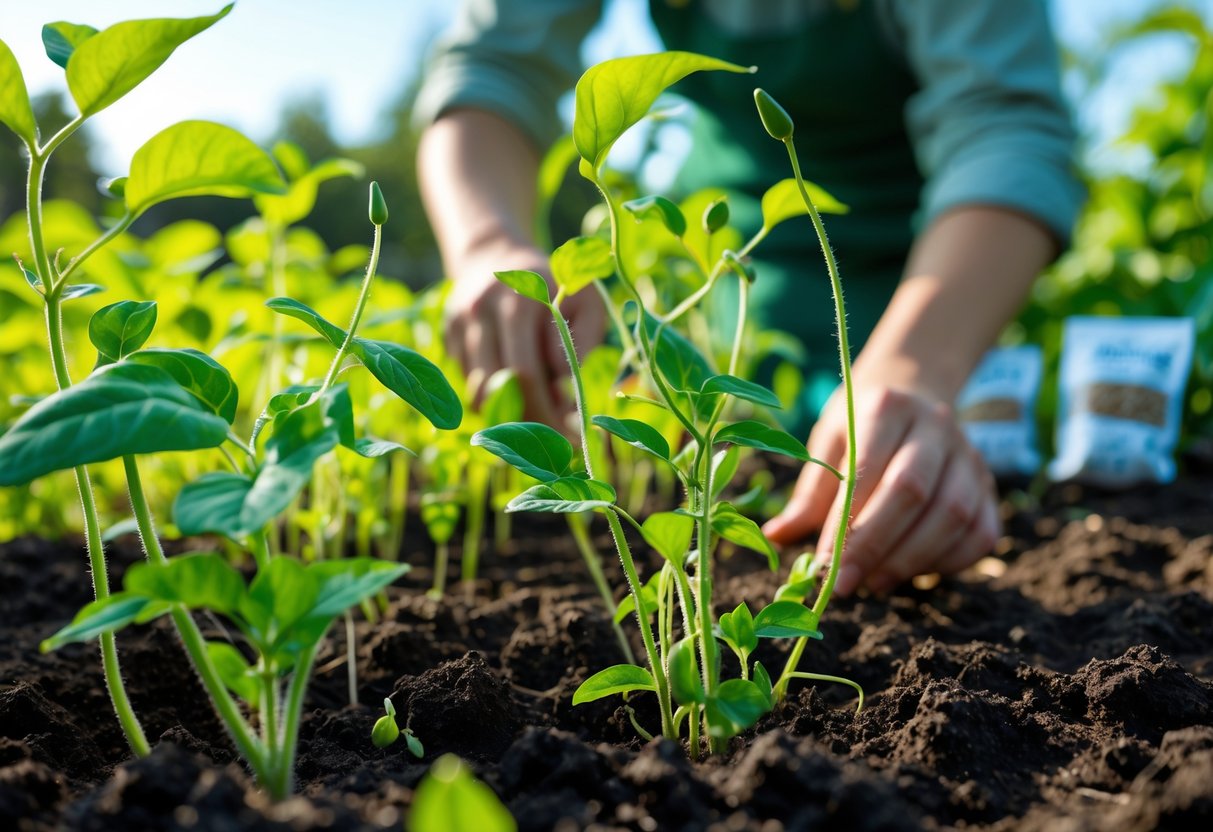
You can grow mung beans in different ways depending on your space and needs. With the right setup, you can sprout beans in jars, water, or soil, and also cultivate them indoors or in pots. Each method requires simple steps but attention to detail helps ensure strong growth.
What is the best method to grow green mung beans in a jar?
Rinse the beans and soak them in water overnight. Drain them the next day and place them in a clean jar with a mesh or cloth cover secured by a rubber band.
Keep the jar tilted upside down at an angle to allow water to drain and air to circulate. Rinse and drain the beans twice daily until sprouts reach your desired length, usually within 4–6 days.
Can you detail the process of growing green mung beans in water?
Soak the beans for 8–12 hours, then place them in a shallow container with just enough water to cover them. Keep the container in a warm, dark spot.
Change the water every 12 hours to prevent spoilage. Within a few days, you’ll see shoots form. Once sprouts are ready, rinse them well before eating.
What are the necessary steps for cultivating green mung beans indoors?
Choose a sunny windowsill or use a grow light to provide at least six hours of light daily. Use well-draining soil in small containers or trays.
Sow the beans about one inch deep and water lightly to keep the soil moist but not soggy. Indoor plants will need consistent warmth, ideally between 70–85°F.
How can I successfully grow green mung beans in pots?
Select a pot with drainage holes and fill it with loamy soil mixed with compost. Plant seeds one inch deep and two inches apart.
Place the pot in a sunny location and water regularly so the soil stays moist. Mung beans in containers grow well if temperatures stay warm and the plants receive at least six hours of direct sun.
What are the growth stages of mung bean plants?
Mung beans germinate within 3–5 days after planting. Seedlings then develop true leaves and begin forming small clusters of yellow flowers.
Pods grow from the flowers and mature in about 90–100 days. Once pods turn yellow-brown or black and feel fuzzy, the beans are ready to harvest.
How can I produce thick mung bean sprouts?
To encourage thicker sprouts, grow them in a dark environment to reduce light exposure. Place a weight, such as a small plate, on top of the beans to apply gentle pressure.
Rinse and drain the beans twice daily. The lack of light and added pressure helps the sprouts grow shorter, plumper, and more uniform.
Want to Grow Fresh Food at Home?
Grab the Beginner’s Guide to Thriving Gardens—your step-by-step plan to grow real food in any backyard, patio, or balcony. Perfect for first-time gardeners!
Buy the Ebook for $14Includes 7 free bonus guides • Instant download • Beginner-friendly


