How to Grow Blueberries in Indiana: Complete Local Guide
This post may contain affiliate links. If you purchase through them, I may earn a small commission at no extra cost to you. As an Amazon Associate, I earn from qualifying purchases.
Growing blueberries in Indiana can be simple and rewarding when you understand what these plants need to thrive. The state’s mix of warm summers and cold winters creates good conditions for healthy bushes, but success depends on soil acidity, sunlight, and variety choice. You can grow sweet, healthy blueberries in Indiana by choosing the right variety and preparing acidic, well-drained soil.
5 Quick-Start Garden Plans for Growing Fresh Food at Home (Free PDF)
Get beginner-friendly raised bed garden layout plans, simple container garden ideas, and a flexible salad garden plan you can put to work right away. Perfect for small spaces, patios, and first-season growers.
Instant email delivery • Unsubscribe anytime
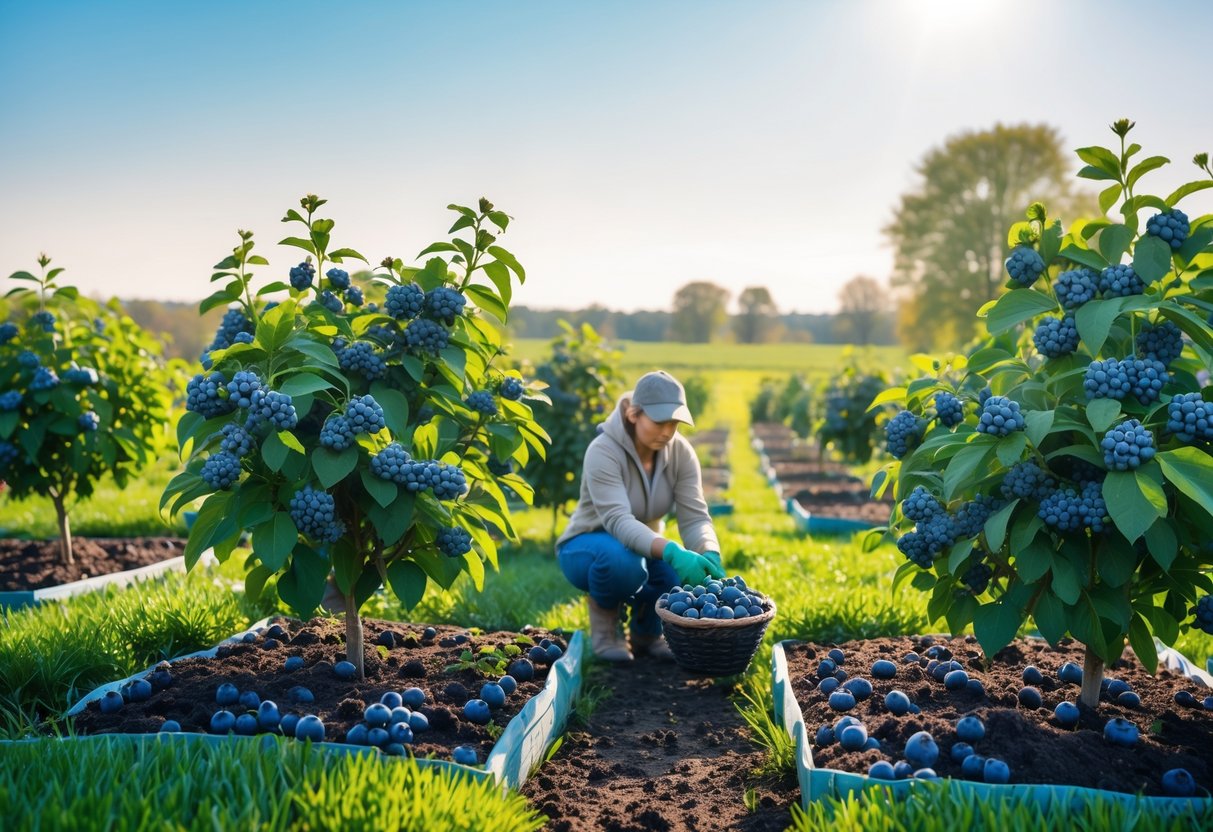
Start by selecting varieties that handle Indiana’s climate, such as northern highbush or half-high types. Plant them in full sun and keep the soil moist but not soggy. Adding organic matter like pine needles or peat moss helps maintain the acidic conditions blueberries love. With the right care, your bushes will produce berries that taste fresh and bright each summer.
Key Takeaways
- Choose hardy blueberry varieties suited to Indiana’s climate
- Prepare acidic, well-drained soil and plant in full sun
- Prune and care for bushes regularly to enjoy strong harvests
Choosing the Right Blueberry Varieties for Indiana
You need blueberry varieties that handle Indiana’s cold winters, humid summers, and variable soil. Focus on hardy, disease-resistant plants that produce reliable yields and adapt well to Zones 5 and 6.
Want to Grow Fresh Food at Home?
Grab the Beginner’s Guide to Thriving Gardens—your step-by-step plan to grow real food in any backyard, patio, or balcony. Perfect for first-time gardeners!
Buy the Ebook for $14Includes 7 free bonus guides • Instant download • Beginner-friendly
Recommended Highbush and Half-High Varieties
Northern highbush and half-high blueberries perform best in Indiana. These types tolerate frost and produce consistent harvests in well-drained, acidic soil.
Some reliable options include ‘Bluecrop’, ‘Blueray’, and ‘Jersey’, which are known for their productivity and flavor. The ‘Legacy’ and ‘Patriot’ varieties also thrive in Indiana’s climate, offering large berries and strong cold tolerance.
Half-high hybrids like ‘Northblue’ or ‘Northcountry’ are ideal if you live in northern or cooler parts of the state. They stay compact, resist winter damage, and fit well in smaller gardens.
For more information on the best-performing cultivars, review the detailed list of top blueberries to grow in Indiana.
| Type | Example Varieties | Key Traits |
|---|---|---|
| Highbush | Bluecrop, Blueray, Jersey | Large fruit, high yield |
| Half-High | Northblue, Northcountry | Cold-hardy, compact size |
Selecting Disease-Resistant Cultivars
Choosing disease-resistant cultivars reduces maintenance and improves long-term success. Indiana’s humid summers can encourage fungal problems like root rot and leaf spot, so look for hardy plants bred for resistance.
‘Bluecrop’ stands out for its strong disease tolerance and consistent yields. ‘Berkeley’ and ‘Duke’ are also dependable, showing good resistance to common pests and mildew. These varieties adapt well to Indiana’s unpredictable weather and need less chemical treatment.
Avoid overcrowding and maintain airflow between bushes to prevent moisture buildup. You can find more guidance on selecting resilient varieties in this comprehensive guide to growing blueberries in Indiana.
Sourcing Healthy Plants
Buy certified, disease-free blueberry plants from reputable nurseries or local garden centers. Healthy plants should have firm stems, green leaves, and a well-developed root system.
If possible, choose plants that are one to two years old. Younger stock establishes faster and adapts better to new soil conditions.
Want to Grow Fresh Food at Home?
Grab the Beginner’s Guide to Thriving Gardens—your step-by-step plan to grow real food in any backyard, patio, or balcony. Perfect for first-time gardeners!
Buy the Ebook for $14Includes 7 free bonus guides • Instant download • Beginner-friendly
Many Indiana gardeners order from regional suppliers familiar with local growing zones. This ensures the plants are acclimated to the state’s soil and climate. For best results, plant early in spring when the ground is workable, as recommended by Evergreen Seeds.
Soil Preparation and Site Selection
Blueberries grow best in acidic, well-drained soil with high organic matter. You need to choose a sunny, open area with protection from late frosts and standing water. Proper soil testing and preparation before planting will help your blueberry bushes stay healthy and productive for many years.
Soil pH and Acidity Requirements
Blueberries require acidic soil with a pH between 4.5 and 5.5. Most Indiana soils are naturally more neutral, so you may need to lower the pH before planting. You can test your soil using a home kit or through your local extension office.
If the pH is too high, mix in elemental sulfur several months before planting. This allows time for the soil bacteria to convert sulfur into acid. Organic materials like peat moss or pine needles can also help maintain acidity over time.
Keep checking your soil every few years to ensure the pH stays in range. Consistent monitoring helps prevent nutrient problems and keeps your blueberry plants vigorous. Learn more about ideal soil acidity for blueberries from The Seasonal Homestead.
Improving Drainage and Organic Matter
Blueberries dislike waterlogged soil. Standing water can lead to root rot and poor growth. Choose a site with good drainage or build raised beds if your soil holds water. According to Bright Lane Gardens, ensuring proper drainage is one of the most important steps when growing blueberries in Indiana.
Mix organic matter such as peat moss, composted pine bark, or sawdust into the top 8–12 inches of soil. This improves both drainage and moisture retention. Avoid using manure or materials with high salt content.
Mulching with pine bark or wood chips helps maintain soil moisture and adds organic matter as it breaks down. Keep mulch about 2–3 inches deep and a few inches away from the plant base to prevent stem rot.
Sunlight and Spacing Considerations
Blueberries need full sunlight for strong growth and good fruit production. Choose a site that receives at least six to eight hours of direct sunlight daily. Avoid shaded areas near trees or tall structures that block light.
Space highbush blueberry plants about 5–6 feet apart and lowbush varieties about 3–4 feet apart. Proper spacing improves air circulation, reduces disease risk, and makes harvesting easier. The Backyard Berry Plants guide recommends allowing enough room between rows for maintenance and picking.
If you plan to grow several rows, leave at least 8–10 feet between them. This spacing allows you to move equipment and maintain the plants comfortably throughout the growing season.
Planting and Caring for Blueberries
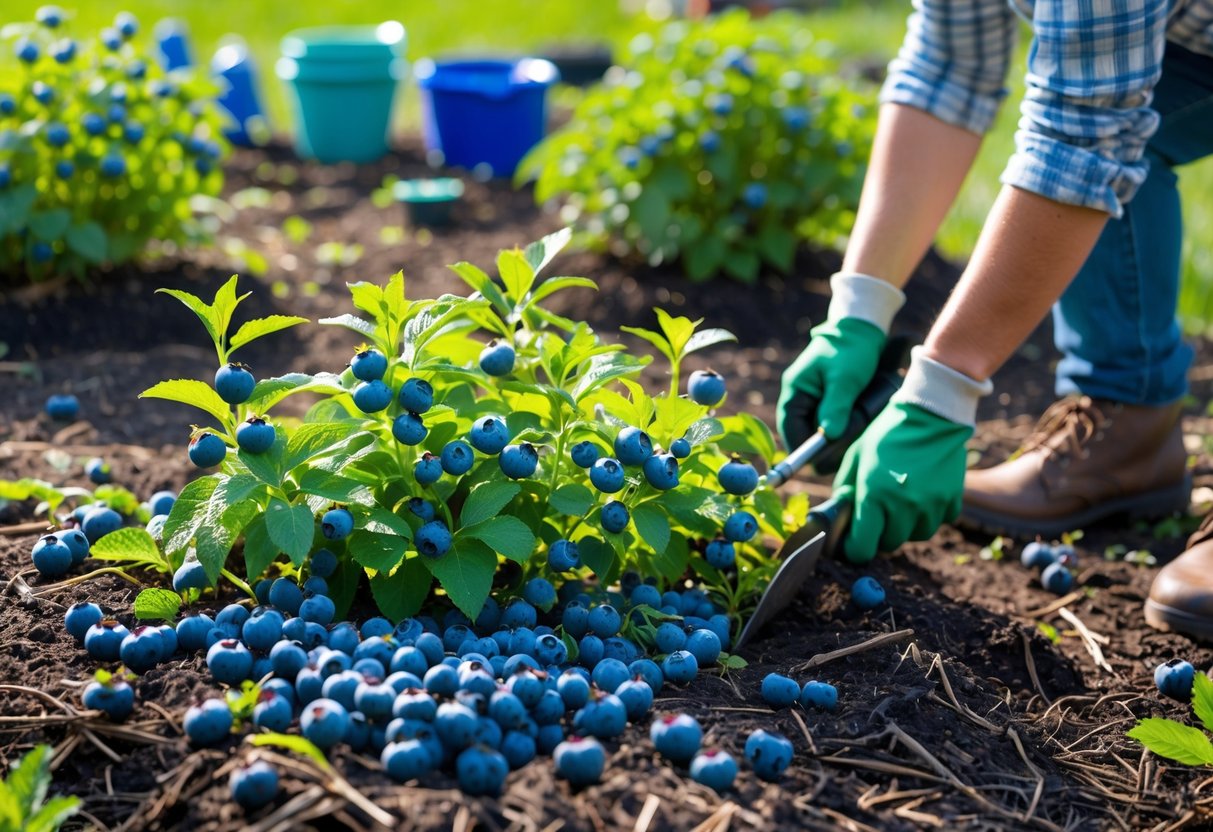
You need to plan your planting schedule, maintain steady soil moisture, and apply the right nutrients for healthy blueberry growth. Paying attention to soil acidity, water levels, and timing helps your plants produce strong roots and consistent yields.
Optimal Planting Time in Indiana
Plant blueberries in early spring once the ground is workable but before buds break. In Indiana, this usually means late March to mid-April, depending on your region’s frost dates. Early planting allows roots to establish before the summer heat.
Want to Grow Fresh Food at Home?
Grab the Beginner’s Guide to Thriving Gardens—your step-by-step plan to grow real food in any backyard, patio, or balcony. Perfect for first-time gardeners!
Buy the Ebook for $14Includes 7 free bonus guides • Instant download • Beginner-friendly
Choose a site with full sun and well-drained, acidic soil (pH 4.5–5.5). Avoid heavy clay or alkaline soils. If needed, mix in peat moss or pine bark to improve drainage and acidity.
Space bushes 4–5 feet apart in rows about 8 feet apart. This spacing supports air flow and makes pruning and harvesting easier. For more detailed regional guidance, check this comprehensive guide to growing blueberries in Indiana.
Watering and Mulching Techniques
Blueberries have shallow roots and need 1–2 inches of water per week during the growing season. Use drip irrigation or a soaker hose to keep the soil evenly moist without waterlogging. According to Food Forest Nursery, consistent moisture is essential, especially for new plants.
Apply a 2–4 inch layer of mulch made of pine needles, wood chips, or sawdust. Mulch helps retain moisture, control weeds, and maintain soil acidity. Keep mulch a few inches away from the base of the plant to prevent rot.
During dry spells, check soil moisture regularly. If the top few inches feel dry, water deeply to reach the root zone.
Fertilization and Soil Testing
Before planting, test your soil to confirm pH and nutrient levels. Blueberries prefer acidic soil, so if your pH is above 5.5, mix in elemental sulfur several months before planting.
Use a fertilizer formulated for acid-loving plants such as azaleas or rhododendrons. Apply light feedings in spring and again after harvest. Avoid over-fertilizing, which can damage roots and reduce fruit quality.
Retest soil every 2–3 years to monitor changes. Adjust pH if needed and add organic matter to maintain structure and fertility. For a step-by-step overview of soil care and fertilization, see this blueberry growing guide.
Pruning, Pest Management, and Harvesting
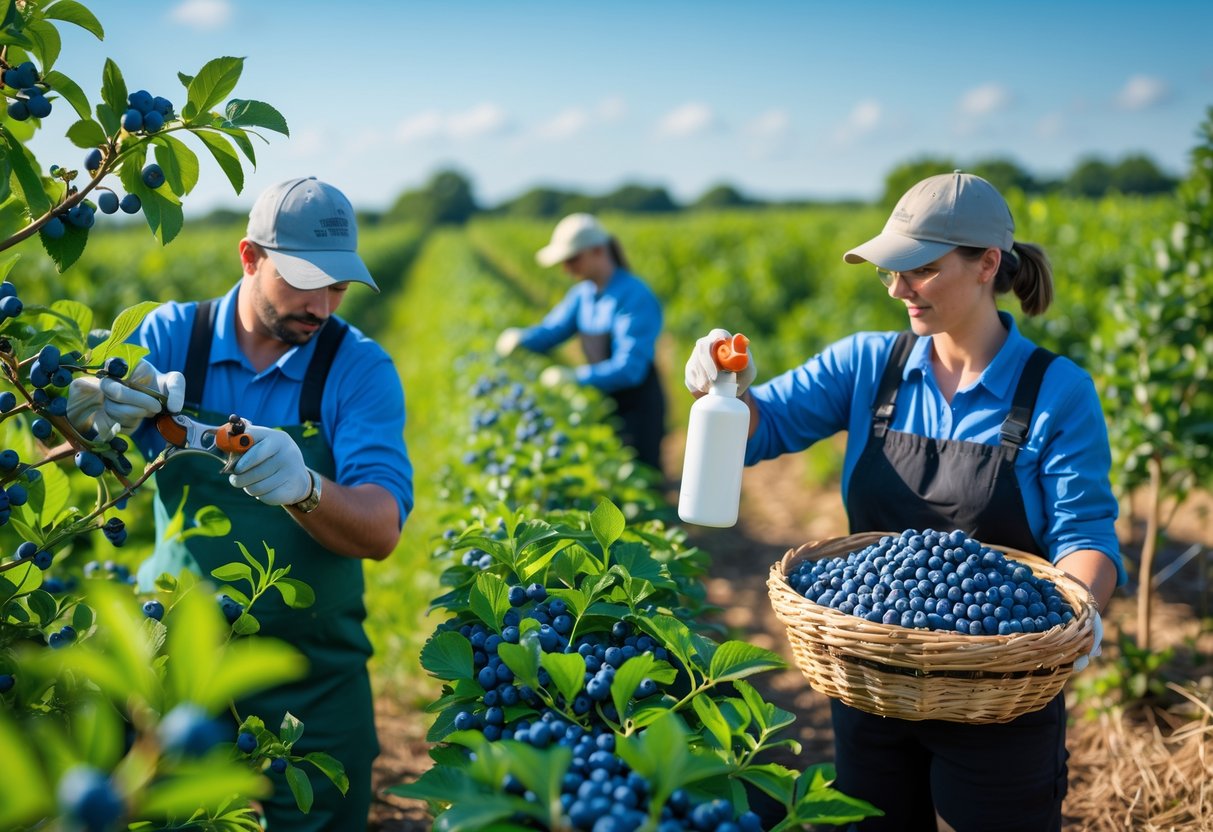
Healthy blueberry bushes depend on consistent pruning, careful pest control, and timely harvesting. You’ll maintain strong growth, reduce disease, and ensure that your berries ripen evenly for the best flavor and storage life.
Annual Pruning Methods
Prune your blueberry bushes in late winter or early spring before new growth begins. This timing helps you see the plant’s structure and remove any dead or weak branches. Use clean, sharp pruning shears to avoid spreading disease.
Focus on keeping 6 to 8 healthy canes per mature bush. Remove canes older than six years, as they produce fewer berries. Thin crowded areas so sunlight and air can reach the center of the plant, which improves fruit quality and reduces fungal issues.
For step-by-step pruning guidance, see this detailed blueberry pruning guide. Proper pruning supports steady yields and keeps your plants vigorous for many years.
Common Pests and Disease Prevention
In Indiana, birds, Japanese beetles, and aphids are common threats to blueberries. Protect your bushes with bird netting once berries start to ripen. For insects, inspect leaves regularly and remove damaged parts early to prevent infestations from spreading.
Fungal diseases like powdery mildew and root rot often occur in poorly drained soil. Maintain well-drained, acidic soil with a pH between 4.5 and 5.5. Space plants 4–5 feet apart to improve airflow and reduce moisture buildup. Mulching with pine needles helps control weeds and retain soil acidity.
For more pest management techniques, the University of Maryland Extension guide offers practical recommendations for home growers.
Harvesting and Storing Blueberries
Blueberries are ready to pick when they turn deep blue and detach easily with a gentle tug. Wait a few days after they first turn blue for full sweetness. Harvest every few days to collect ripe fruit and encourage continued production.
Handle berries carefully to avoid bruising. Store unwashed berries in a shallow container in the refrigerator for up to two weeks. For longer storage, freeze them in a single layer before transferring to airtight bags. The Old Farmer’s Almanac guide provides additional tips on harvesting and storing for best quality.
Frequently Asked Questions
Growing blueberries in Indiana takes careful planning. You need the right varieties, acidic soil, proper spacing, regular watering, and protection from pests and diseases to keep plants healthy and productive.
What are the best blueberry varieties to plant in Indiana?
Choose cold-hardy northern highbush types such as ‘Bluecrop,’ ‘Blueray,’ and ‘Jersey.’ These varieties grow well in Indiana’s climate and produce reliable yields. Some gardeners also try southern highbush hybrids, but these may need extra winter protection.
What is the ideal soil composition for blueberry plants in Indiana?
Blueberries need acidic soil with a pH between 4.0 and 5.2, as noted by the Arbor Day Foundation. The soil should be well-drained, high in organic matter, and slightly moist. Mixing peat moss or pine bark into sandy loam improves both acidity and drainage.
How do you prepare the ground for planting blueberries?
Remove weeds and loosen the soil about 12 inches deep. If your soil is not naturally acidic, amend it with elemental sulfur or use an acidic soil blend, as suggested by Journey with Jill. Raised beds or large containers also work well when native soil conditions are poor.
What is the recommended spacing for blueberry bushes in a garden?
Space bushes 4 to 5 feet apart in rows that are about 8 to 10 feet apart. This allows good air circulation and room for growth. Proper spacing also helps reduce disease risk and makes harvesting easier.
How often should blueberry plants be watered in the Indiana climate?
Water young plants 1 to 2 inches per week, especially during dry periods. Blueberries have shallow roots and dry out quickly in hot weather. Using mulch helps retain moisture and keeps soil cool.
What are effective methods for protecting blueberry bushes from pests and diseases?
Cover bushes with bird netting to prevent fruit loss. Watch for common pests like aphids and Japanese beetles, and remove them by hand or use mild insecticidal soap. Prune regularly to improve air flow and reduce fungal problems, as recommended by Indiana Berry.
Want to Grow Fresh Food at Home?
Grab the Beginner’s Guide to Thriving Gardens—your step-by-step plan to grow real food in any backyard, patio, or balcony. Perfect for first-time gardeners!
Buy the Ebook for $14Includes 7 free bonus guides • Instant download • Beginner-friendly


