Compost Bin vs. Pile: Choosing the Best Method for Backyard Gardens
This post may contain affiliate links. If you purchase through them, I may earn a small commission at no extra cost to you. As an Amazon Associate, I earn from qualifying purchases.
Starting compost at home doesn’t have to feel complicated. You can choose between a compost bin or a simple pile, and both methods can turn kitchen scraps and yard waste into nutrient-rich soil. The best choice depends on how much space you have, how much effort you want to put in, and how quickly you want results.
5 Quick-Start Garden Plans for Growing Fresh Food at Home (Free PDF)
Get beginner-friendly raised bed garden layout plans, simple container garden ideas, and a flexible salad garden plan you can put to work right away. Perfect for small spaces, patios, and first-season growers.
Instant email delivery • Unsubscribe anytime
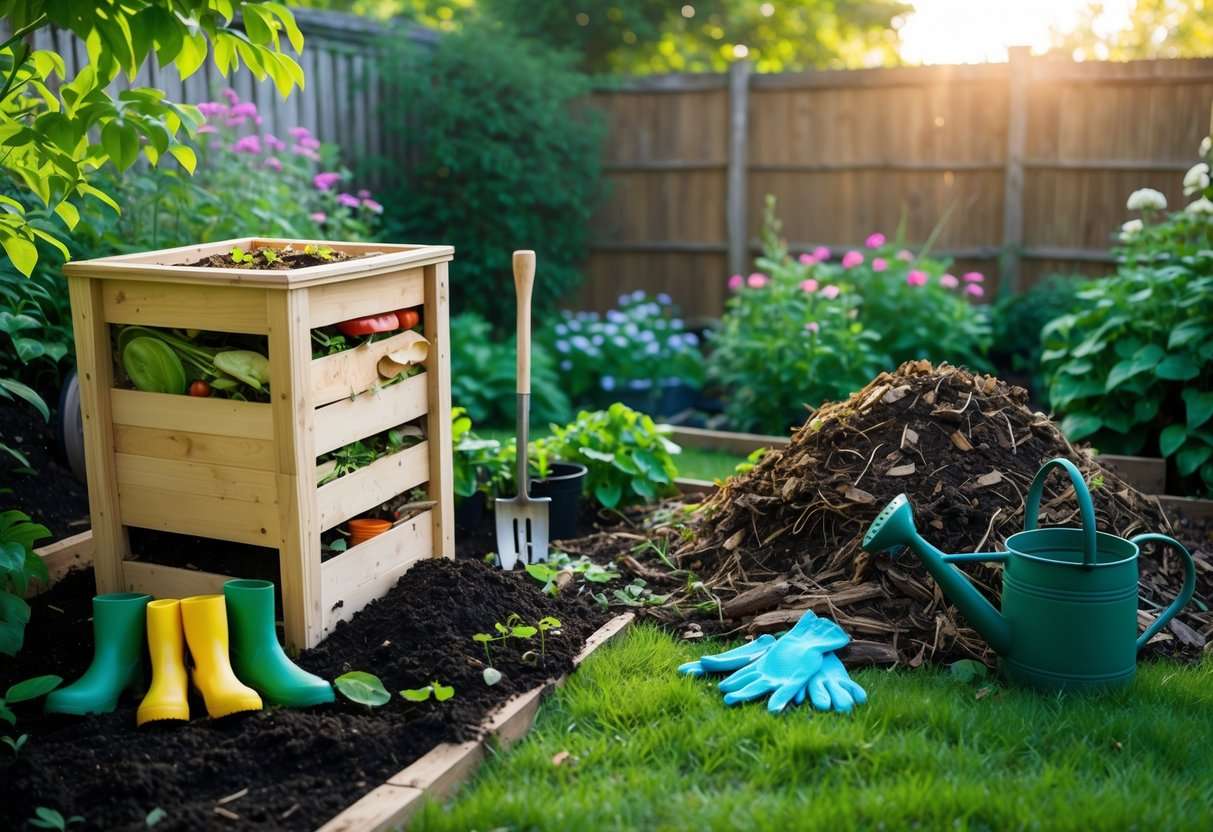
A compost bin keeps everything neat, contained, and easier to manage, while a compost pile gives you flexibility and works well if you have more space and materials. Either way, you can set up a system that fits your backyard garden and your lifestyle. With the right beginner tools and a few simple steps, you’ll see how easy Backyard Composting can be.
If you want a step-by-step guide that walks through setup, maintenance, and troubleshooting, check out How to Compost in Your Backyard. It’s a practical resource that helps you start strong with Home Composting and keep your system running smoothly.
Want to Grow Fresh Food at Home?
Grab the Beginner’s Guide to Thriving Gardens—your step-by-step plan to grow real food in any backyard, patio, or balcony. Perfect for first-time gardeners!
Buy the Ebook for $14Includes 7 free bonus guides • Instant download • Beginner-friendly
Key Takeaways
- Compost bins and piles each offer unique benefits
- Space, effort, and goals determine the best method
- Simple tools make composting easier to start and maintain
Compost Bin vs. Pile: Key Differences
A compost pile and a compost bin both turn organic waste into usable compost, but they differ in structure, space needs, and maintenance. Your choice depends on how much material you generate, how much effort you want to put in, and how you want your garden area to look.
Definition of a Compost Pile
A compost pile is simply a heap of organic waste, such as food scraps, grass clippings, and leaves, stacked in one spot. It does not require a container, which makes it inexpensive and easy to start.
Because it is open, a pile can handle large amounts of material. This makes it useful if you have a big yard or lots of garden waste. However, piles often spread out, which can take up more space than expected.
Moisture and airflow are harder to control in a pile. Rain can soak it, and dry weather can cause it to lose moisture. Turning the pile with a pitchfork helps mix materials and speed up decomposition, but this requires regular effort.
If you want a low-cost option and do not mind a less tidy look, a compost pile may suit your needs. For detailed steps, see this guide on Backyard Composting.
Definition of a Compost Bin
A compost bin is a container that holds composting materials in a more organized way. Bins can be made from wood, plastic, or wire, and they come in many shapes and sizes. Some are simple open bins, while others are insulated and designed for faster breakdown.
Bins keep waste contained, which makes them neater and easier to manage in small spaces. They also help with pest control since the structure can block rodents and other animals.
Moisture control is another benefit. Lids keep out excess rain, and the enclosed design helps prevent drying out. Many bins also include vents or openings that support airflow.
If you prefer a tidy system and want to reduce labor, a bin may be the better choice. Learn more about Home Composting to set up a system that fits your garden.
Want to Grow Fresh Food at Home?
Grab the Beginner’s Guide to Thriving Gardens—your step-by-step plan to grow real food in any backyard, patio, or balcony. Perfect for first-time gardeners!
Buy the Ebook for $14Includes 7 free bonus guides • Instant download • Beginner-friendly
Composting Styles and Methods
The compost pile vs bin decision also depends on your composting style. A pile works well for traditional hot composting, where you turn the heap often to speed up the process. With enough heat and the right balance of greens and browns, compost can be ready in a few weeks.
Bins support different methods. For example, continuous bins allow you to add scraps at the top and remove finished compost from the bottom. Some bins are designed for worm composting, while others use insulation to maintain high temperatures.
If you have limited space, a bin is usually more practical. If you have a large yard and want to process heavy amounts of waste, a pile or even windrows may be more efficient.
Choose the method that matches your time, space, and effort. For a step-by-step approach, check out How to Compost in Your Backyard.
Pros and Cons of Compost Piles

A compost pile is one of the simplest ways to recycle organic waste at home. It requires little setup, but it comes with trade-offs in space, effort, and control over the composting process.
Advantages of Compost Piles
A compost pile is easy to start. You only need a corner of your yard and a mix of kitchen scraps, leaves, and yard waste. There’s no need to buy a container, which makes it a free or very low-cost method.
Piles can handle large amounts of organic waste. If you have grass clippings, fallen leaves, or animal manure, a pile gives you the space to process them all at once. This makes it a good option if your garden produces lots of material.
The composting process in a pile can move quickly if you turn the material often. Regular mixing helps maintain airflow and speeds up compost production. Covering the pile with straw or a tarp can also help retain heat and moisture.
If you want more guidance on building your first pile, check out this resource on How to Compost in Your Backyard.
Drawbacks of Compost Piles
A pile takes up more space than a bin. Without walls to contain it, the material can spread out and look messy. This may not work well in small yards or if appearance matters to you.
Pests can also be a problem. Rodents, raccoons, and insects may be attracted to exposed food scraps. Unlike bins, piles are harder to seal off from unwanted visitors.
Moisture control is another challenge. Rain can make the pile too wet, while sun and wind can dry it out. Both conditions slow down the composting process and may cause odors.
Because piles are open, decomposition is often uneven. The outer layers break down slowly while the center heats up more quickly. This means you may need to turn the pile often to get consistent compost production.
Want to Grow Fresh Food at Home?
Grab the Beginner’s Guide to Thriving Gardens—your step-by-step plan to grow real food in any backyard, patio, or balcony. Perfect for first-time gardeners!
Buy the Ebook for $14Includes 7 free bonus guides • Instant download • Beginner-friendly
For tips on managing these issues, you can explore practical strategies for Backyard Composting.
Best Situations for Using a Pile
A compost pile works best if you have a large yard or garden. The open space allows you to build a heap big enough to maintain heat for effective composting.
It also suits people who generate a steady supply of organic waste. Gardeners with grass clippings, fall leaves, or livestock manure often find piles more practical than bins.
A pile is also a good choice if you want to start composting right away with little cost. You can simply add material over time and adjust as you learn.
If you’re new to the composting process, learning more about Home Composting can help you decide whether a pile fits your needs.
Pros and Cons of Compost Bins

A compost bin keeps organic compost in a contained space, making it easier to manage in smaller yards. It offers protection from pests and weather but limits how much material you can process at once.
Benefits of Compost Bins
Compost bins save space. Unlike open piles, bins keep the composting process in a compact, vertical container that fits well in small gardens or patios. This makes them practical if you don’t have much yard area.
They also reduce odors. The enclosed design helps trap smells that might otherwise spread, which is especially useful if your compost is close to your home.
Bins discourage pests. Rodents, flies, and other critters have less access compared to open piles, which means fewer problems with unwanted visitors.
Moisture and heat are better regulated inside a bin. This speeds up decomposition and can give you usable compost in just a few months. Some bins even have bottom hatches that let you collect finished compost without disturbing newer material on top.
If you want step-by-step guidance on composting, check out How to Compost in Your Backyard.
Limitations of Compost Bins
Bins restrict how much organic compost you can produce. The fixed size means you can only process a certain volume at a time. For large gardens, this may not meet your needs.
They also cost money. While a compost pile can be free, bins usually range from $50 to $150 depending on size and material.
Turning compost inside a bin can be harder. Some bins don’t allow easy mixing, so you may need to lift or rotate material with effort.
Bins may not handle bulky garden waste well. Large branches or heavy stalks often need to be chopped down first.
Despite these drawbacks, bins remain a convenient choice for many households. If you want to learn simple methods for getting started, explore this guide on Backyard Composting.
Ideal Uses for Compost Bins
Compost bins work best in smaller yards or urban spaces where appearance matters. Their neat design blends into gardens without creating an eyesore.
They are also ideal if you want to compost mainly kitchen scraps. Food waste breaks down quickly in the controlled environment of a bin, and the lid helps keep odors contained.
If you live in areas with frequent rain, bins protect compost from getting waterlogged. This keeps the balance of greens and browns more consistent.
Bins are also a good option if you prefer low-maintenance composting. You can add scraps, close the lid, and wait for the process to finish without much labor.
For a complete beginner-friendly overview, see this resource on Home Composting.
Factors to Consider When Choosing Between Bin and Pile

When deciding between a compost pile vs bin, you need to think about how much space you have, the type of organic waste you produce, how you want your system to look, and the amount of effort and money you are willing to invest. Each factor affects how well your composting setup will work in your backyard.
Space and Location Requirements
A compost bin is usually more compact and easier to fit into small backyards. Many bins are designed to sit neatly in a corner, making them a good option if you want to save space. In contrast, a compost pile tends to spread out, which can take up more room than you expect.
If you have a large yard or farm, a compost pile may be practical. It allows you to handle bigger amounts of material without worrying about bin capacity. However, piles can be harder to manage in tight spaces and may not work if you want a clean, organized garden layout.
Think about sun and shade as well. Compost piles dry out faster in direct sun, while bins with lids retain more moisture. If you want step-by-step guidance on setting up space-efficient systems, check out How to Compost in Your Backyard.
Volume and Type of Organic Waste
The amount and type of organic waste you produce plays a big role in your decision. If you only generate small amounts of kitchen scraps and yard clippings, a bin is usually enough. Continuous compost bins let you add scraps at the top and collect finished compost at the bottom.
A compost pile works better if you have large volumes of material, such as grass clippings, fall leaves, or manure. According to composting research, piles larger than 3 meters can slow down decomposition if not turned regularly. This makes piles more suitable for people who can manage bulk waste and don’t mind extra labor.
If your waste includes food scraps that attract pests, bins are easier to secure. For mixed garden waste, piles can handle bulk but require more attention. To learn how to manage different waste types effectively, explore this guide on Backyard Composting.
Aesthetic and Pest Control Concerns
Compost bins give you a tidy, contained system. They hide organic waste from view and often include lids or covers to reduce odors. This makes bins a better choice if you care about how your garden looks or if you live in a neighborhood with close neighbors.
Piles, while simple, can appear messy. They also make it harder to keep out rodents, raccoons, and flies. If pests are a concern, bins with tight-fitting lids or fine mesh are easier to secure. With piles, you may need to cover them with tarps or straw to reduce access.
If you want a more polished look while still composting effectively, bins are the safer choice. For practical tips on keeping your compost system clean and pest-free, see this detailed guide on Home Composting.
Budget and Maintenance Needs
A compost pile is usually free to set up. You can start by simply stacking organic waste in a corner of your yard. The main cost is your time, since piles often need turning with a shovel or pitchfork to keep them aerated.
Compost bins range in price. You can build a simple wooden or wire bin at low cost, or buy a plastic or insulated bin for more efficient composting. Higher-end bins may speed up decomposition and reduce odor, but they can cost significantly more.
Maintenance is also different. Piles often require more physical work, while bins may need less frequent turning, especially if designed with aeration features. Your budget and willingness to maintain the system should guide your choice.
Composting in a Backyard Garden
Composting at home helps you recycle kitchen scraps and garden waste into nutrient-rich material that improves soil health. By choosing the right system, using compost effectively, and making the most of finished compost, you can support stronger plants and reduce waste.
Selecting the Right Composting Method
The two most common options for compost in a backyard garden are compost bins and compost piles. A compost bin keeps materials contained, saves space, and reduces pests. A compost pile, on the other hand, is low-cost and adaptable in size but requires more space and regular turning.
If you live in a smaller yard, a bin may work better because it looks tidy and controls odors. If you have more land, a pile can handle larger amounts of organic compost and produce higher volumes.
When deciding, think about cost, space, and how much effort you want to put in. Bins usually cost between $50–$150, while piles can be built for free with simple barriers. To learn more about different methods and get step-by-step tips, check out How to Compost in Your Backyard.
Integrating Compost into Garden Soil
Once your compost is ready, you need to add it correctly to your beds for the best results. Finished compost should be dark, crumbly, and smell earthy. Spread 1–3 inches of it on top of your soil and mix it into the top 6–8 inches.
For vegetable gardens, apply compost before planting each season. For perennials, top-dress around the base of plants instead of digging it in. This keeps roots protected and still allows nutrients to filter down.
You can also make compost tea by steeping finished compost in water. This liquid feed works well for container plants or seedlings. If you want a detailed guide on techniques for soil improvement, explore this resource on Backyard Composting.
Maximizing Finished Compost Benefits
Using organic compost in more than one way helps you get the full value of your efforts. Beyond soil enrichment, you can use it as mulch to retain moisture and suppress weeds. A 2-inch layer around plants keeps the soil cooler and reduces watering needs.
Finished compost also improves soil structure, making clay soils drain better and sandy soils hold more water. This balance supports stronger root systems and healthier crops.
You can even use compost as a seed-starting mix when blended with sand or perlite. This reduces the need for store-bought mixes and keeps your gardening more self-sufficient. For more practical applications, see this guide on Home Composting.
Beginner Composting Tools and Equipment
Getting started with composting is easier when you have the right tools. Simple equipment helps you manage the composting process, keep materials balanced, and make the work less time-consuming.
Essential Tools for Composting
A garden fork or pitchfork is one of the most useful tools. You use it to turn and aerate compost, making sure oxygen reaches the pile or bin. A sturdy shovel or spade also helps move finished compost and add bulky materials.
You’ll also need a compost thermometer. This tool measures the internal temperature, which tells you if the pile is heating up properly. Proper heat speeds decomposition and helps kill weed seeds and pathogens.
A watering can or hose with a spray nozzle is important for moisture control. Compost should feel like a wrung-out sponge. If it’s too dry, decomposition slows; if it’s too wet, it can smell.
Finally, a simple bucket with a lid works well for collecting kitchen scraps indoors before carrying them outside. For step-by-step guidance on setup, check out How to Compost in Your Backyard.
Optional Upgrades for Efficiency
If you want to make composting easier, a compost tumbler is a good option. It allows you to turn compost by spinning the drum instead of using a fork. This saves effort and keeps the pile mixed evenly.
Another upgrade is a sifting screen. You can build one with wood and wire mesh. It separates finished compost from larger pieces that need more time to break down. This gives you fine, ready-to-use compost for your garden.
Some people invest in a chipper or shredder to break down branches, leaves, and other coarse material. Smaller pieces decompose faster, which speeds up the process.
You may also find insulated compost bins useful if you want to compost year-round in cooler climates. These hold heat better and keep decomposition active. For more ideas, explore practical strategies for Backyard Composting.
Safety and Maintenance Tips
Wear gardening gloves when handling compost to protect your hands from sharp objects or irritants. Closed-toe shoes are also recommended, especially when turning piles with tools.
Keep tools clean and dry. Rinse off shovels, forks, and thermometers after use, then store them in a shed or garage. This prevents rust and extends their life.
When lifting heavy compost, bend your knees instead of your back. This reduces strain and makes the work safer.
It’s also smart to cover your compost pile or bin with a tarp in rainy weather. This prevents excess water from slowing decomposition.
If you want a clear, structured plan for setting up your system, you can follow the guide on Home Composting.
Tips for Successful Compost Production
Good compost depends on the right balance of ingredients, steady airflow, and proper moisture levels. Paying attention to these details helps you turn organic waste into a steady supply of rich compost for your garden.
Balancing Green and Brown Materials
The composting process works best when you mix nitrogen-rich “greens” with carbon-rich “browns.” Greens include food scraps, coffee grounds, and fresh grass clippings. Browns include dried leaves, straw, cardboard, and shredded paper.
A simple rule is to aim for about 2 to 3 parts browns for every 1 part greens. This ratio helps prevent odor problems and speeds up decomposition. If you add too many greens, your pile may become slimy and smell bad. Too many browns can slow the process down.
Chop or shred larger items before adding them. Smaller pieces break down faster and help maintain an even texture. Layering greens and browns also keeps the pile balanced.
If you’re unsure how to start, check out How to Compost in Your Backyard for a step-by-step guide.
Aeration and Moisture Management
Airflow and moisture are two of the most important factors in compost production. Microorganisms need oxygen to break down organic waste efficiently. Without enough air, the composting process slows and may produce foul odors.
Turn your pile or bin every 1–2 weeks to mix materials and improve airflow. For bins with built-in vents, less frequent turning may be enough.
Moisture should feel like a wrung-out sponge. If the pile is too dry, sprinkle water as you turn it. If it’s too wet, add more browns like shredded cardboard or dry leaves. Covering a pile with a tarp can also help maintain steady moisture levels.
For more practical tips, explore Backyard Composting to see how to manage these conditions effectively.
Troubleshooting Common Issues
Even with good habits, problems can still happen. Odors usually mean there are too many greens or not enough air. In that case, add more browns and turn the pile to restore balance.
If your compost is too wet, mix in dry leaves, straw, or shredded cardboard. If it’s too dry, lightly water it while mixing.
A pile that isn’t heating up may need more greens for nitrogen or more frequent turning to boost airflow. Cold weather can also slow things down, so insulation like straw or a covered bin helps.
Pests are less likely if you avoid adding meat, dairy, or oily foods. Using a closed bin makes it easier to keep rodents and insects out.
For a complete beginner-friendly breakdown, see Home Composting and learn how to keep your system running smoothly.
Conclusion and Final Recommendations
When choosing between a compost bin and a compost pile, think about your space, time, and comfort level. A bin keeps things neat and contained, while a pile offers flexibility for larger amounts of material. Both methods work, but each has trade-offs in speed, effort, and appearance.
For beginners, start small. Use simple tools like a garden fork, gloves, and a container for kitchen scraps. These basics are enough to get you going without extra cost. As you gain experience, you can add more tools if needed.
If you want a clear step-by-step plan, explore this free guide on How to Compost in Your Backyard. It explains how to set up, maintain, and troubleshoot your compost system.
Here’s a quick comparison:
| Option | Best For | Effort Level | Appearance | Moisture/Heat Control |
|---|---|---|---|---|
| Compost Bin | Small to medium yards | Lower | Neater look | Easier to manage |
| Compost Pile | Large amounts of yard waste | Higher | Less tidy | Harder to regulate |
If you prefer a low-maintenance option, a bin may suit your yard. If you have more space and don’t mind turning the pile often, an open heap can be effective.
To learn more about methods, tools, and best practices, check out this helpful resource on Backyard Composting.
Starting small is key. With time, you’ll find what works best for your garden. For more tips and practical advice, see this guide to Home Composting.
Frequently Asked Questions
Starting composting at home requires some basic tools, an understanding of which materials break down well, and a choice between different methods like bins, piles, or tumblers. Each setup has its own pros and cons, and knowing the differences helps you decide what works best for your garden and space.
What are the essential items to start a compost bin?
You need a container or bin, a mix of “greens” (food scraps, grass clippings) and “browns” (leaves, cardboard), and water for moisture. A garden fork or aerator helps turn the material. A lid or cover is useful to control pests and rain.
What are the differences between using a compost pile and a compost bin?
A compost pile is an open heap of organic material, while a compost bin is a contained structure. Piles cost nothing to set up but may attract pests and take more space. Bins keep materials neater, control moisture better, and often decompose more evenly, as explained in this comparison of compost piles vs bins.
How can you create a DIY compost bin for your garden?
You can build one with wooden pallets, a plastic trash can with drilled holes, or simple wire mesh. These low-cost options work well for small backyards. For step-by-step guidance, check out this practical guide on How to Compost in Your Backyard.
Which materials should be avoided when adding to a compost setup?
Avoid adding meat, dairy, oils, diseased plants, or pet waste. These can cause odors, attract pests, or spread harmful bacteria. Stick with fruit and vegetable scraps, coffee grounds, shredded paper, and yard waste for the safest results.
What are the advantages of using a compost tumbler compared to other methods?
A compost tumbler speeds up decomposition because you can rotate it easily to mix materials. It also keeps pests out and contains odors better than open piles. However, tumblers may hold less material, so they are best for smaller gardens.
How does compost contribute to soil health and plant growth?
Compost improves soil structure, holds moisture, and adds nutrients like nitrogen, phosphorus, and potassium. It also supports beneficial microbes that help roots absorb nutrients. Using compost regularly can reduce the need for chemical fertilizers and improve long-term soil quality, making it a key part of Backyard Composting.
For anyone just starting, Home Composting is a simple way to recycle waste and build healthier soil for your garden.
Want to Grow Fresh Food at Home?
Grab the Beginner’s Guide to Thriving Gardens—your step-by-step plan to grow real food in any backyard, patio, or balcony. Perfect for first-time gardeners!
Buy the Ebook for $14Includes 7 free bonus guides • Instant download • Beginner-friendly


