Best Worm Composting Bins for Natural Fertilizer Reviewed and Compared
This post may contain affiliate links. If you purchase through them, I may earn a small commission at no extra cost to you. As an Amazon Associate, I earn from qualifying purchases.
Worm composting, also called vermicomposting, is an easy way to recycle food scraps and paper waste at home. Using worms, these bins turn old kitchen leftovers into rich compost that helps plants grow better. Worm composting bins are designed to hold the worms, keep odors in check, and make composting more manageable.
5 Quick-Start Garden Plans for Growing Fresh Food at Home (Free PDF)
Get beginner-friendly raised bed garden layout plans, simple container garden ideas, and a flexible salad garden plan you can put to work right away. Perfect for small spaces, patios, and first-season growers.
Instant email delivery • Unsubscribe anytime
These bins come in a variety of sizes, shapes, and materials—some are stackable with trays, while others are simple single-layer containers. The right choice depends on factors like how much space you have, how much food waste you generate, and how many worms you plan to use. Ventilation is important, as worms need fresh air, and the bin material should be non-toxic to keep the composting process safe.
It’s important to look at each bin’s size, how easy it is to harvest the finished compost, how simple it is to clean, and whether it keeps pests out. Weight, cost, and any included extras like starter bedding also matter. We spent hours comparing different worm composting bins to find the best ones that help turn food scraps into natural fertilizer easily and efficiently.
Want to Grow Fresh Food at Home?
Grab the Beginner’s Guide to Thriving Gardens—your step-by-step plan to grow real food in any backyard, patio, or balcony. Perfect for first-time gardeners!
Buy the Ebook for $14Includes 7 free bonus guides • Instant download • Beginner-friendly
Best Worm Composting Bins for Natural Fertilizer
We have picked the top worm composting bins to help you turn food scraps into rich, natural fertilizer. These bins make composting easy for beginners and experienced gardeners. Our list covers different sizes and designs to fit your needs.
VermiHut Plus Worm Composter

The VermiHut Plus is a solid choice for anyone looking to compost kitchen scraps and make rich fertilizer with minimal effort.
Pros
- Small footprint yet handles a lot of food waste
- Odor and moisture control features work well
- Includes helpful extras and good customer support
Cons
- Initial setup can be confusing
- Some parts feel less sturdy than hoped
- Size may be smaller than some expect
We found the VermiHut Plus bin easy to place inside or outside, and it didn’t take up much space on our patio. Setting up was pretty simple, though we had to double-check instructions a few times. The included coconut mat and V-board actually made a difference in holding in moisture and cutting down on any smells.
The system’s modular trays made adding new scraps and harvesting finished compost straightforward. Our worms moved up through the layers as described, and thankfully, cleanup was easy. We liked that it came with handy tools and starter supplies, which helped us get going right away.
One thing to note: the base and trays fit closely, but we did notice the need to be gentle while stacking, as the plastic can flex a little. Overall, we found the VermiHut Plus does a reliable job creating compost from kitchen scraps, and customer service was quick to respond when we had a question.
Uncle Jim’s Red Wiggler Compost Worms

These worms are a reliable choice for anyone serious about turning kitchen scraps into healthy, natural fertilizer.
Pros
Want to Grow Fresh Food at Home?
Grab the Beginner’s Guide to Thriving Gardens—your step-by-step plan to grow real food in any backyard, patio, or balcony. Perfect for first-time gardeners!
Buy the Ebook for $14Includes 7 free bonus guides • Instant download • Beginner-friendly
- Worms arrive active and healthy—even in hot or cold weather
- Improves garden soil noticeably in just a few weeks
- Mix includes a variety of species for more efficient composting
Cons
- Needs careful handling on arrival to avoid loss
- Some preparation required before adding worms to your bin
- Packaging can be a bit messy to open and transfer
Adding Uncle Jim’s Red Wigglers to our compost bin has made a clear difference in how fast food waste breaks down. The worms arrived alive and very active, which made it easy to get our system started right away. We were impressed by how quickly the worms began chewing through kitchen scraps and paper.
Using this worm mix, we noticed richer, darker compost in just a few weeks. Our vegetable plants looked stronger and the soil broke apart more easily after adding their castings. The blend of worm types seems to help work every part of the pile, speeding up composting compared to using only one kind of worm.
The only downside is you need to get the bin or garden ready in advance, especially if it is very hot or cold outside. Opening the bag can get a little messy, so it’s smart to do it over your bin or outside. Overall, these compost worms from Uncle Jim’s are a solid option for anyone wanting to boost their garden with less hassle.
WWJD Red Wigglers Composting Worms

A great choice for anyone trying to boost their composting results with healthy, active worms that are easy to look after.
Pros
- Arrive lively and in good condition
- Adapt well to different climates
- Simple, low-maintenance care
Cons
- Packaging can be delayed during shipping
- Some worms may seem stressed at first
- Bedding might require extra moisture on arrival
Using WWJD Red Wigglers makes starting our compost bin much simpler. The worms arrived active and moving, which gave us confidence right away. Their adaptability is noticeable, letting us use them both inside and outdoors without much trouble.
We like that very little daily care is needed beyond basic moisture and feeding. Even beginners will find these worms are forgiving and resilient, which takes the guesswork out of the process. They quickly get to work, turning food scraps and organic matter into rich soil for our plants.
We did notice our worms seemed a bit stunned from their journey at first, but after following the included instructions and giving the bedding some extra water, they perked up. Some patience is needed if shipping is slow or if you need to get your bin ready. Overall, we recommend WWJD Red Wigglers Composting Worms for anyone looking for dependable worms for soil health and natural fertilizer.
HCGADON 3-Tray Worm Farm Bin Kit
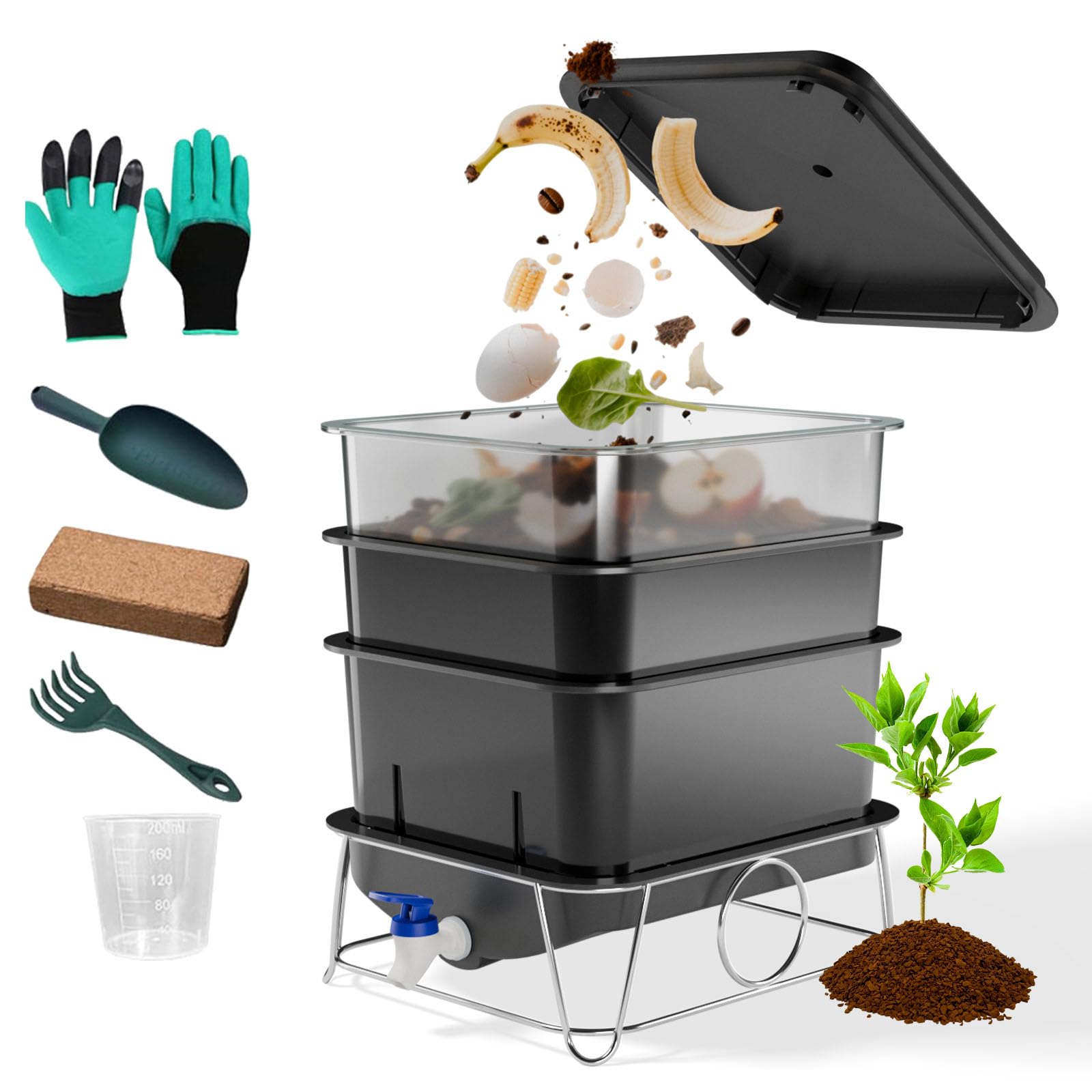
This compact worm bin is a good choice for beginners who want to recycle food scraps into natural fertilizer indoors or out.
Pros
- Simple to set up, even for newcomers
- Compact design fits neatly indoors
- Includes handy starter tools
Cons
Want to Grow Fresh Food at Home?
Grab the Beginner’s Guide to Thriving Gardens—your step-by-step plan to grow real food in any backyard, patio, or balcony. Perfect for first-time gardeners!
Buy the Ebook for $14Includes 7 free bonus guides • Instant download • Beginner-friendly
- Not ideal for larger families or big gardens
- Worms not included
- Somewhat small composting capacity
Putting this worm farm together was a breeze. We found the instructions straightforward, and all the pieces fit together well. The kit comes with gloves, a coconut coir brick for bedding, a scraper, and a little rake, so starting our first batch of compost didn’t require buying anything extra except worms.
The size of the bin makes it easy to find space almost anywhere. We used it on our kitchen counter for a clean and smell-free setup. It’s sturdy enough for outdoor use as well, thanks to the thick plastic. The three tray system lets us add fresh scraps at the top while harvesting finished compost from the bottom tray, which helps keep things simple and tidy.
We noticed that the 15L trays work well for light to moderate composting but may be too small for those who produce a lot of food waste. The bin feels durable, and it has held up well over several weeks of use with no leaks or odors. If you’re looking for something easy to use and don’t need to process a lot at once, this bin is a solid pick for healthy plant fertilizer at home.
TOP XIAN Inground Worm Composter 2-Pack
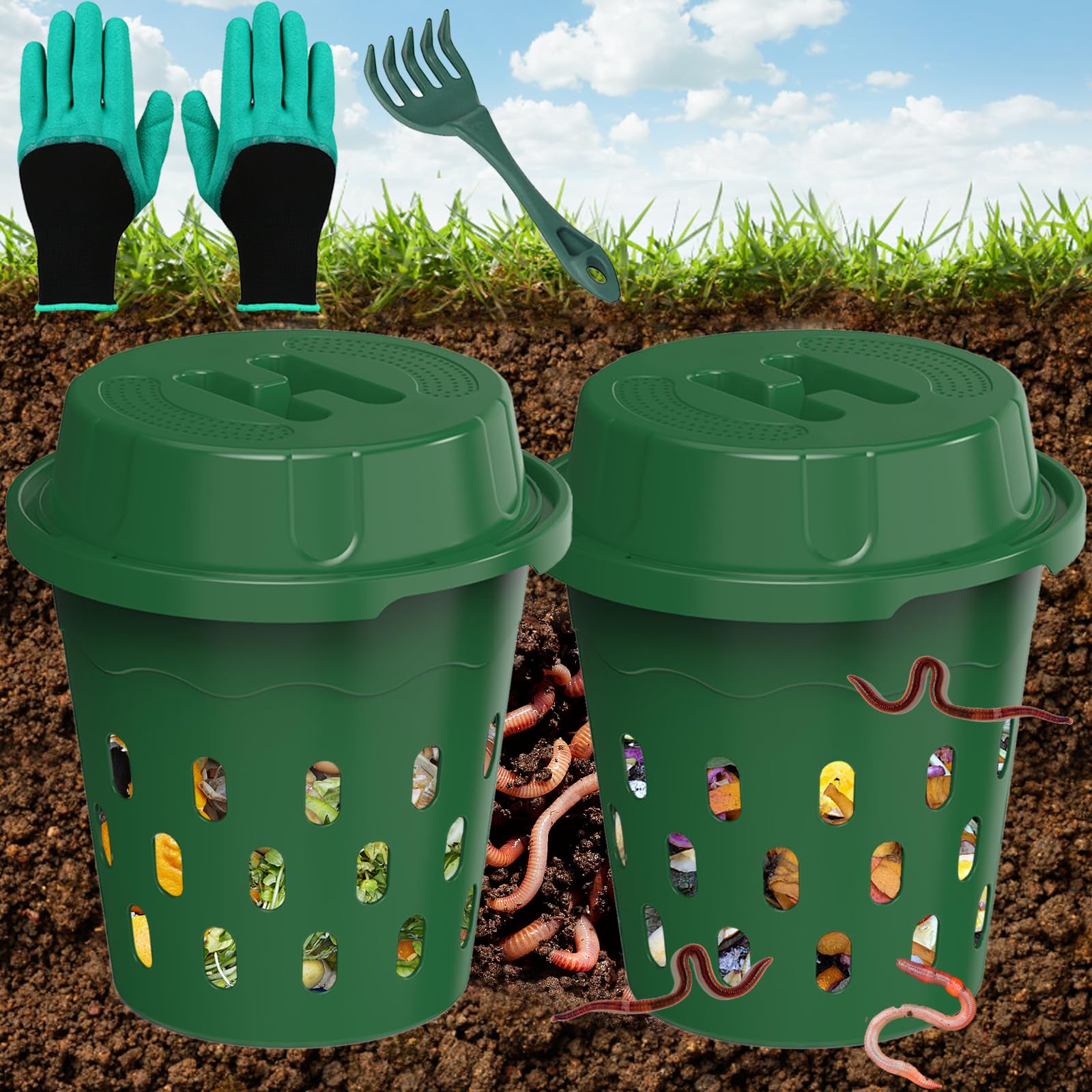
For those looking for a simple way to turn kitchen scraps into garden fertilizer, this option is a solid addition to small home gardens.
Pros
- Super easy to start using—no complicated setup
- Materials feel strong and the bin holds up well outdoors
- We can rotate bins for constant composting
Cons
- May not be sturdy enough if raccoons or larger animals get interested
- Not ideal if we want to compost massive amounts at once
- Some folks might want a larger size for big families
Once we buried each bin into our raised beds, it didn’t take long to see how handy this setup is. Adding vegetable scraps and a bit of paper is simple, and the lid twists on securely. With two bins, we can fill one up while the other finishes breaking down, which keeps our composting flow moving smoothly.
We noticed the PVC construction lives up to its claims, staying sturdy even in wet weather. The removable lid and small air holes help a lot with airflow, so the compost stays fresh with less effort from our side. There hasn’t been much odor either, making care easy for beginners.
This bin is not a giant, but we find the size works out great for families who want to start small and avoid overwhelming their garden beds. If animal visitors are common in our area, though, the locking lid may not keep out curious raccoons every time. For an easy, no-fuss way to start worm composting right in the garden, the TOP XIAN Inground Worm Composter 2-Pack is a reliable choice.
Urban Worm Bag Compost Bin

If we want a highly efficient, hassle-free bin for turning kitchen scraps into valuable natural fertilizer, the Urban Worm Bag is a strong choice.
Pros
- Very quick to assemble and use
- Continuous flow lets us harvest castings without disturbing worms
- Breathable material controls moisture well
Cons
- Needs a good spot indoors with stable temperature
- Bottom collection area sometimes drips if conditions get too wet
- Takes several months before harvesting first castings
After setting up the Urban Worm Bag, we were impressed by how fast and easy it was. Building the frame and attaching the bag took less than five minutes. Everything felt solid but lightweight, and it didn’t take up much room in our setup.
We’re able to feed the bin from the top, and collecting finished compost from the bottom is simple—we really like not having to pick through layers or mess with trays. The fabric allows airflow, which helps in keeping the worm environment right and prevents unpleasant smells in our home.
One thing to keep in mind is that the bag works best when kept indoors or in a space where temperatures are steady because worms can be sensitive to heat and cold. While we didn’t have big issues, some moisture can escape from the bottom if it gets too wet, so checking on it every week or so is a good idea. Overall, the process is easy to follow, and the volume is large enough for most household needs. If we stay patient for a few months, we’re rewarded with nutrient-rich castings perfect for any garden.
FCMP Outdoor Essential Living Composter

The FCMP Outdoor Essential Living Composter is a reliable choice for anyone wanting a simple and budget-friendly worm composting bin.
Pros
- Moisture control keeps bedding from drying out
- Tray system makes harvesting easy
- Minimal odor, good for indoor use
Cons
- Worms are not included
- Initial setup takes patience
- Instructions could be clearer
This worm bin fits well in our kitchen corner, and we noticed right away how little space it takes up. The moisture channel around the trays works better than expected and keeps the bedding damp, so we no longer worry about the worms getting too dry. When it’s time to check on the worms or harvest compost, the angled tunnels between trays really do help the worms move up, which saves a lot of hassle.
While it’s easy to stack the trays and get the system going, we wish it came with more detailed instructions, especially for beginners. It does not include worms, so we had to order those separately. Once set up, the bin runs with barely any smell, and we use the worm tea for houseplants with good results.
Overall, we find the bin sturdy and safe for indoor use, since it’s made from recycled, BPA-free plastic. The 2-tray design makes caring for worms manageable, and harvesting fertilizer is straightforward. If you want an affordable, simple worm composting solution, the FCMP Outdoor Essential Living Composter is worth considering.
VIVOSUN Worm Composter Bin
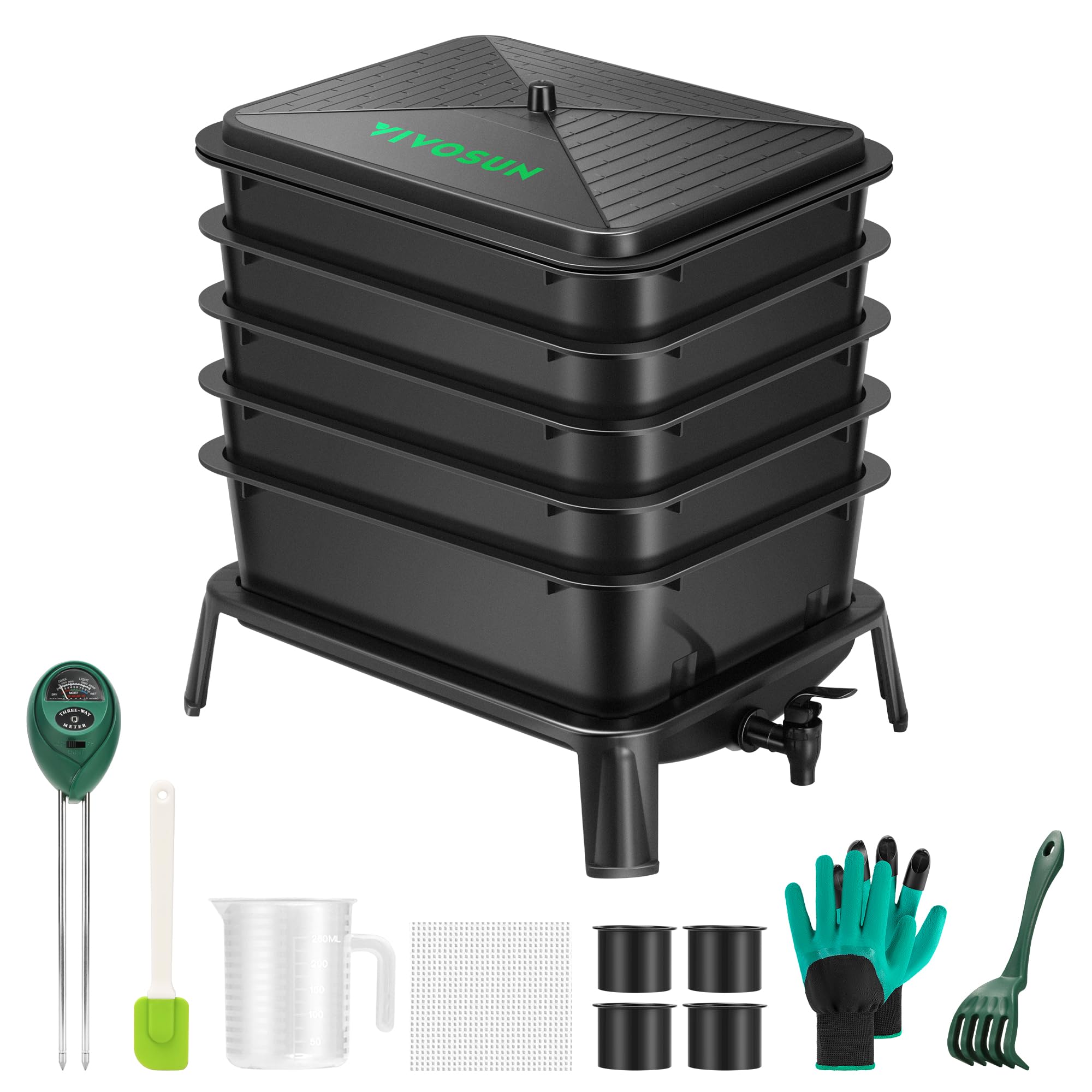
If we want a space-saving, simple worm composting bin with helpful accessories, this option is worth considering.
Pros
- Stacked design makes compost removal easy
- Accessories included for quick setup
- Good odor and moisture control
Cons
- Smaller than we expected
- Assembly instructions could be clearer
- Can attract fruit flies if not managed well
Setting up the VIVOSUN worm composter took us only a few minutes, and the included tools helped us get started right away. The layers make it easy to separate new food scraps from finished compost, and the spigot at the bottom lets us collect worm tea for our plants without any hassle. We noticed right away that the compact size fit nicely on our balcony without taking up much room.
We like how the ventilation slits help lower any bad smells. Even after a week of kitchen scraps, there wasn’t an obvious odor, which is great for small spaces. Our worms settled in quickly and started breaking down waste efficiently.
Though the size worked for us, those wanting to compost a lot at once may find it too small. Also, the instructions cover setup well but not much else, so we found ourselves looking up extra tips online. We did see a few fruit flies in hot weather until we adjusted the bedding and kept the lid on tight.
Overall, the VIVOSUN bin’s tidy footprint, included accessories, and smart design make it a solid choice for beginners and casual composters looking for natural fertilizer at home.
Tino Kino Clay Worm Compost Bin
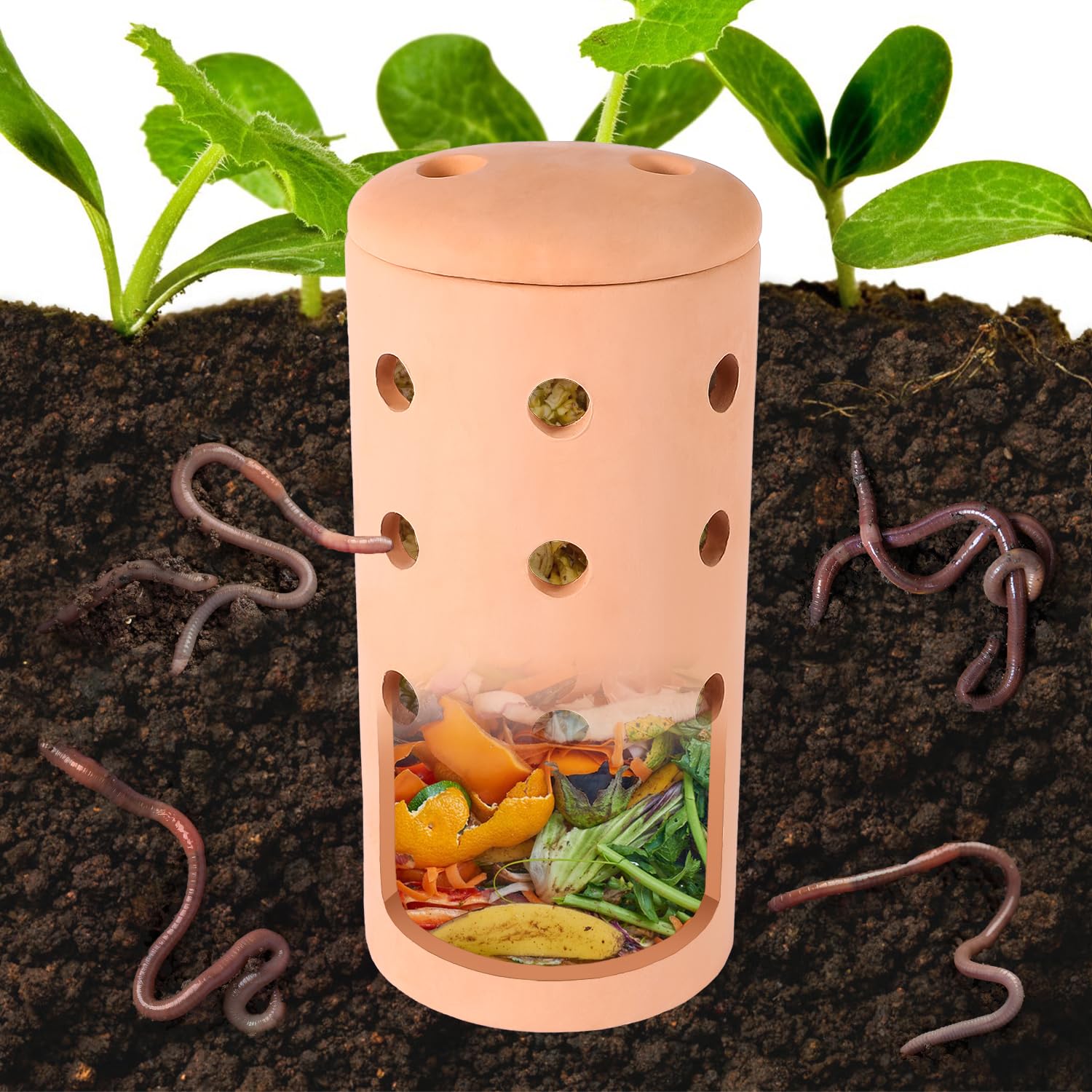
This compact ceramic worm composter suits gardeners who want simple, natural fertilizer production but should avoid it if durability is a top concern.
Pros
- Uses clay, not plastic, so it won’t add microplastics to our soil
- Setup is straightforward—even for beginners
- Attractive design fits well in raised beds or garden plots
Cons
- Fragile—needs careful handling; several arrived broken for us
- Size is small, so it works best for light, ongoing kitchen waste
- Longevity is questionable if we move it often or have rowdy pets
Trying the Tino Kino clay bin was a pleasant change from plastic containers. The setup couldn’t be easier, and it blended right into our garden bed. We simply buried it, added food scraps and worms, then let nature handle the rest. In just a few weeks, we noticed worms moving in and our soil texture improving.
Its appearance is a nice step up from standard bins. The red pottery adds a classic touch, and the locking lid keeps most pests out. We found the lid gave us peace of mind when leaving it outdoors. Still, it’s important to handle this bin gently since the ceramic can break during shipping or if moved roughly.
Those with larger gardens or heavy composting needs may want another option or to use several bins. We didn’t need much space, so the compact size worked for us, but anyone with lots of kitchen scraps may need a bigger solution. For anyone seeking a non-plastic, easy-to-use worm bin, we think this Tino Kino Clay Worm Compost Bin delivers, as long as you are gentle with it.
Roebic Compost Accelerator

Roebic Compost Accelerator is a solid pick for anyone wanting to speed up their composting without a hassle.
Pros
- Quickly helps break down plant material
- Simple to apply and doesn’t require extra effort
- Works well in hot and cooler weather
Cons
- Won’t fix a poorly managed compost pile
- May not show results on tough materials right away
- Has a mild chemical odor during use
Using Roebic’s compost accelerator, we noticed our pile started breaking down faster than before. It’s as simple as sprinkling the powder, then mixing it in a bit. We liked that we didn’t need to add lime or worry about pH levels.
The bacteria in this mix kept working even when temperatures changed from cool to warm. Our pile never seemed to stall out, and those kitchen scraps turned to rich, dark compost weeks sooner than expected. For anyone who wants results and doesn’t want to fiddle with extra steps, it takes out the guesswork.
However, we saw that if the pile was too dry or packed with tough branches, the speed boost wasn’t as dramatic. Roebic worked best when we kept up basic pile care, like turning and keeping it moist. Overall, it’s a reliable tool for faster, easier compost.
Buying Guide
When choosing a worm composting bin, we need to consider a few important features. The right choice can make composting easier and more effective for us.
Capacity is key. We should decide how much food and waste we’ll compost each week. This helps us pick a bin size that matches our needs—too small means more emptying, too big may waste space.
Airflow and Drainage are important for happy worms. Bins with good ventilation and drainage holes prevent smells and help keep worms healthy. We should look for bins made of materials that allow air in but keep odors out.
We want a design that fits our space. Some bins stack, while others sit in a single layer. If we have a small kitchen or balcony, a compact model works best.
It’s helpful to pick a bin that’s easy to use and clean. Features like tight-fitting lids, removable trays, or built-in spigots for liquid are helpful.
Here’s a simple guide:
| Feature | Why It Matters | What to Look For |
|---|---|---|
| Capacity | Fits our composting needs | 5-20 gallons (typical) |
| Ventilation | Prevents smells, helps worms | Air holes or mesh panels |
| Drainage | Stops soggy bedding | Drain holes, bottom tray |
| Size/Shape | Fits in our space | Stackable, compact design |
| Cleaning Ease | Saves time, less effort | Removable trays, smooth surfaces |
We should also think about the weather in our area. Some bins do better indoors, while others can handle outdoor temps. Picking the right one for our climate will keep our composting on track.
Frequently Asked Questions
We need to select bins with good airflow, drainage, and pest barriers. It matters whether we set up our compost system indoors or outdoors and whether we build or buy our bins.
What features should I look for in an effective outdoor worm composting bin?
We should look for sturdy materials that hold up outside, like strong plastic or metal. A tight-fitting lid keeps out animals and rain. Bins need holes for air and drainage.
Good bins also block sunlight, which worms dislike. Stackable trays or easy access doors make removing compost simpler for us.
How does the Hungry Bin Worm Composter compare to other vermicomposting systems?
The Hungry Bin has a large capacity and continuous flow design, letting us harvest compost easily without disturbing the worms. Its shape encourages worms to move upward as they work.
Compared to regular stacking tray systems, the Hungry Bin often handles more food waste. It needs more space but is simpler to maintain once established.
Can I use vermicomposting bins indoors without attracting pests?
Yes, we can keep worm bins indoors if we use bins with secure lids. We need to avoid overfeeding and only add suitable food scraps to prevent smells.
Regularly checking for mold or fruit flies helps us avoid common pest problems. Burying food scraps under bedding can also reduce pests.
What are the advantages of an in-ground worm composting bin versus an above-ground system?
In-ground bins offer stable temperatures and more natural living conditions for worms. They are often more protected from heat and cold.
Above-ground systems are easier to move and check. We can also harvest finished compost with less digging. Each style offers pros and cons based on our space and climate.
What are the essential steps to building a DIY worm composting bin?
First, we choose a clean bin with a tight lid and make small holes for air and drainage. We add moist bedding like shredded newspaper.
We introduce composting worms and bury small bits of fruit and vegetable scraps. Keeping the bin in a spot away from direct sun and heavy rain is important.
How can I maintain optimal conditions in an indoor worm composting kit?
We keep the bedding damp but not soggy. The temperature should stay between 55°F and 77°F for the worms to stay healthy.
We feed small amounts at a time and chop food scraps for faster breakdown. Mixing the bedding every few weeks prevents compacting and bad smells.
Want to Grow Fresh Food at Home?
Grab the Beginner’s Guide to Thriving Gardens—your step-by-step plan to grow real food in any backyard, patio, or balcony. Perfect for first-time gardeners!
Buy the Ebook for $14Includes 7 free bonus guides • Instant download • Beginner-friendly


