Best Trellises for Supporting Climbing Vegetables Top Picks for Strong, Healthy Growth
This post may contain affiliate links. If you purchase through them, I may earn a small commission at no extra cost to you. As an Amazon Associate, I earn from qualifying purchases.
Growing climbing vegetables like peas, beans, and cucumbers can make the most of vertical garden space. These plants naturally want to climb, which keeps them healthier by improving air flow and making harvesting easier. Using a trellis helps support these vines as they grow, prevents them from sprawling, and can save space in smaller gardens.
5 Quick-Start Garden Plans for Growing Fresh Food at Home (Free PDF)
Get beginner-friendly raised bed garden layout plans, simple container garden ideas, and a flexible salad garden plan you can put to work right away. Perfect for small spaces, patios, and first-season growers.
Instant email delivery • Unsubscribe anytime
Trellises come in many shapes and materials. Some are simple and made of wood or bamboo, while others are sturdier and constructed with metal or thick plastic. The right trellis allows the plant to cling as it grows and holds up under the weight of mature vegetables.
When choosing a trellis, it’s important to look at material durability, size, weather resistance, and how easy it is to install and move. Plants with heavy fruit need a strong frame, while lightweight vines can use less sturdy supports. We spent hours comparing top options to find the best trellises for climbing vegetables.
Want to Grow Fresh Food at Home?
Grab the Beginner’s Guide to Thriving Gardens—your step-by-step plan to grow real food in any backyard, patio, or balcony. Perfect for first-time gardeners!
Buy the Ebook for $14Includes 7 free bonus guides • Instant download • Beginner-friendly
Best Trellises for Supporting Climbing Vegetables
We have researched and reviewed the top trellises for growing climbing vegetables. Our list highlights sturdy and reliable options to help support your plants. These trellises can make it easier to keep your garden neat and productive.
Thealyn Tall Metal Garden Trellis 2 Pack
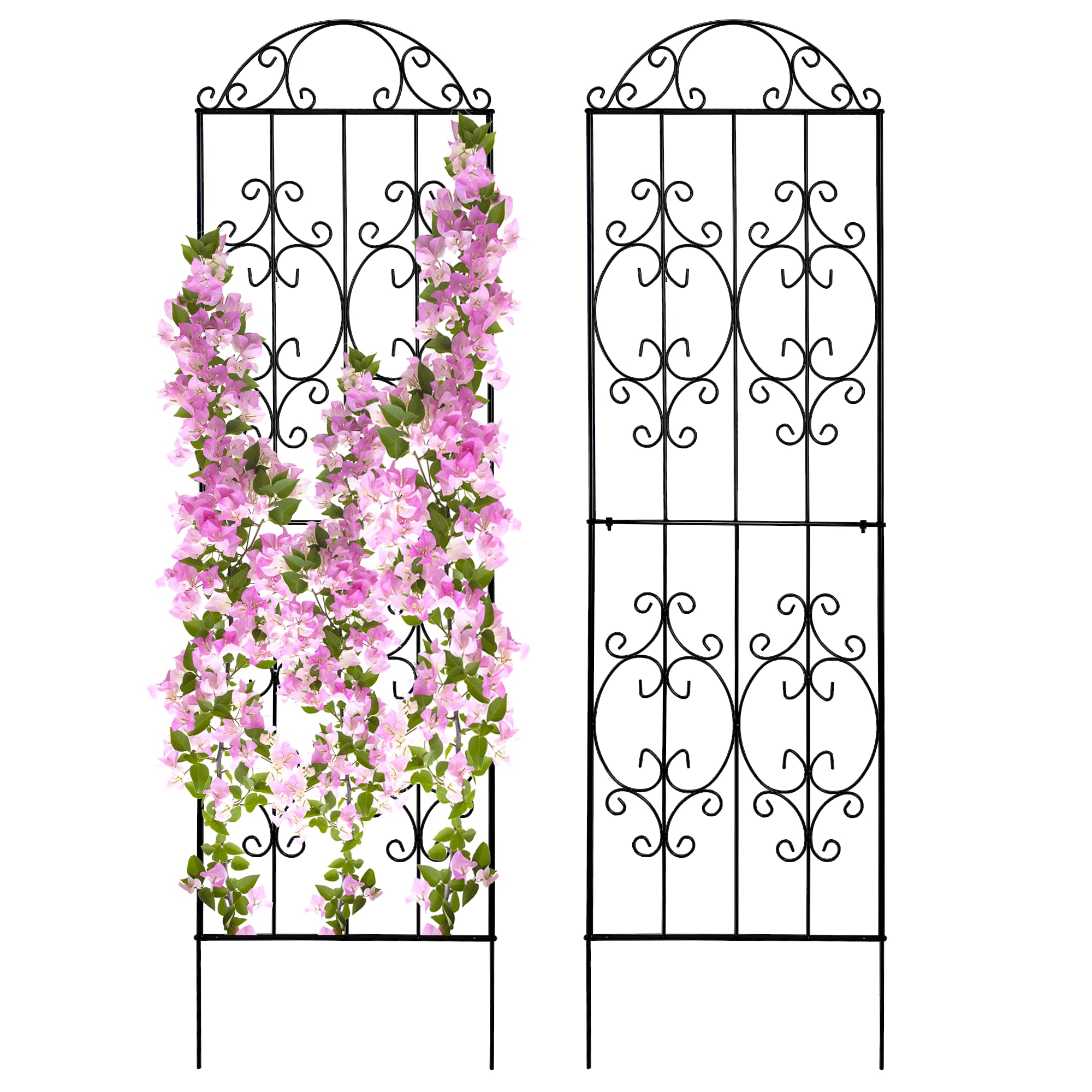
If we need a tough, adaptable, and tall trellis for climbing vegetables, this option stands out for its strong design and flexible use.
Pros
- Assembles quickly without needing special tools
- Heavy-duty steel frame handles large plants and rough weather
- Works well for both vegetable vines and flowering plants
Cons
- Sometimes shipping issues cause bends in the metal
- Takes up more space in smaller gardens
- Requires some DIY assembly with screws
Putting together this Thealyn trellis took just a few minutes. We found the structure felt stable and solid, even when supporting heavy vegetable vines and thick tomato stems. With a true black, slightly matte finish, it blended nicely against our green cucumber leaves and looked sharp next to the flowers.
Its steel frame and rust-resistant coating gave us confidence it would last through storms and seasons of watering. The design let us use each section alone in different beds or combined for tall growth, which made it easy to adjust as our garden changed throughout the year.
We did notice that careful handling during delivery is important—some pieces arrived with a slight bend, but we could straighten them. The assembly uses bolts but doesn’t need any extra tools. If space is tight, the height may be a challenge; however, for those growing beans, peas, or vigorous squash, this trellis easily manages the job.
FOLLOOK Cucumber Trellis Arch
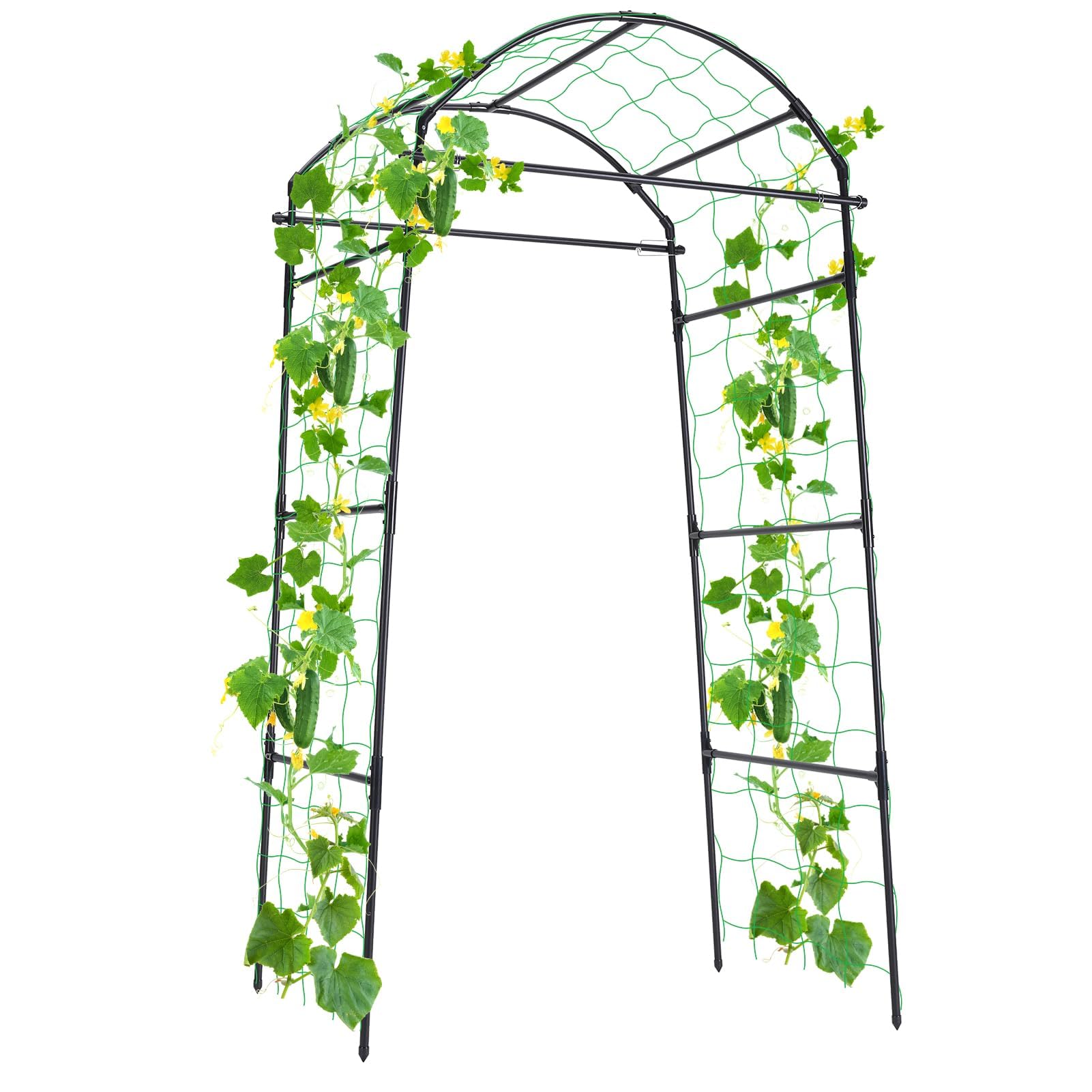
This trellis is a solid choice for anyone who needs simple vertical support for climbing vegetables in small gardens.
Pros
Want to Grow Fresh Food at Home?
Grab the Beginner’s Guide to Thriving Gardens—your step-by-step plan to grow real food in any backyard, patio, or balcony. Perfect for first-time gardeners!
Buy the Ebook for $14Includes 7 free bonus guides • Instant download • Beginner-friendly
- Quick, no-tool assembly saves time
- Sturdy enough for heavy vegetable vines
- Lightweight frame makes moving easy
Cons
- Some sharp wire ends during setup
- The net can be larger than the frame
- Not quite as tall as advertised
We found the FOLLOOK Cucumber Trellis straightforward to put together. It took us less than 20 minutes, and there was no need for special tools. Once assembled, it handled our cucumbers and beans without any sagging or wobbling. The lightweight frame allowed us to reposition it in the garden as needed.
The arch design helped maximize our planting space by allowing vines to grow upwards. This made harvesting easier and improved air flow around our plants. The polyethylene-coated steel frame stood up well to rain and wind during our use, and the included plant clips kept everything secure.
We did notice a few minor issues. There were some sharp edges on the metal pieces, so we made sure to wear gloves. The net provided was actually a bit larger than the frame, which was confusing at first, but turned out to be an easy fix. Also, it’s closer to six feet tall—not almost eight as the listing suggested—so be aware if you need extra height for taller plants.
Overall, the FOLLOOK Cucumber Trellis Arch worked well in our raised beds and was helpful for supporting climbing vegetables without taking up too much space.
7Queen Tall Metal Cucumber Trellis
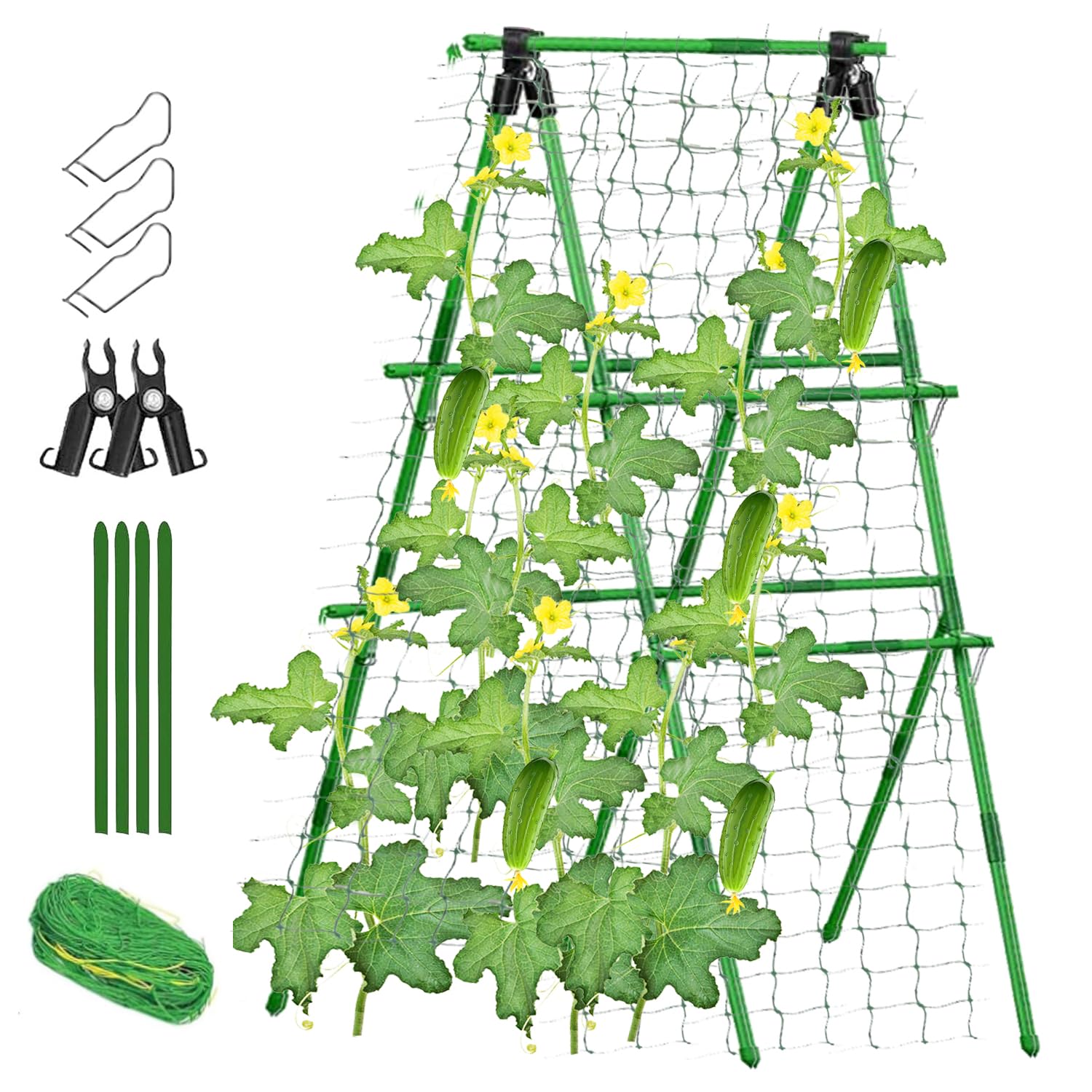
Those looking for a quick, lightweight option for small climbing vegetables might find this trellis helpful, but it has some frustrating design flaws.
Pros
- Quick to assemble with no tools needed
- Lightweight and easy to move around the garden
- Saves ground space for small climbing plants
Cons
- Netting is tricky to fit and often too large
- Feels flimsy and isn’t sturdy for heavier plants
- Lacks clear instruction, making setup confusing
When we put the 7Queen Tall Metal Cucumber Trellis together, we appreciated how easy it was to handle. Assembly took less than 20 minutes, and we didn’t need any extra tools. The lightweight frame allowed us to place it right where our snap peas and cucumbers needed support.
Once we started using it, the main drawback became clear: the netting just didn’t match up well with the frame. We had to cut and bunch the net, using extra ties and patience to get it to stay in place at all. It was definitely not the smooth installation we had hoped for. The frame itself feels a bit wobbly after setup, and it’s best for only lighter plants.
We do like how this trellis saves space by letting plants grow up instead of out, making it useful for small garden beds. However, for heavier veggies or anyone wanting a sturdier structure, this may fall short. We think it’s a decent pick for light-duty support, but be prepared for a little improvising during setup.
FOLLOOK Garden Cucumber Trellis
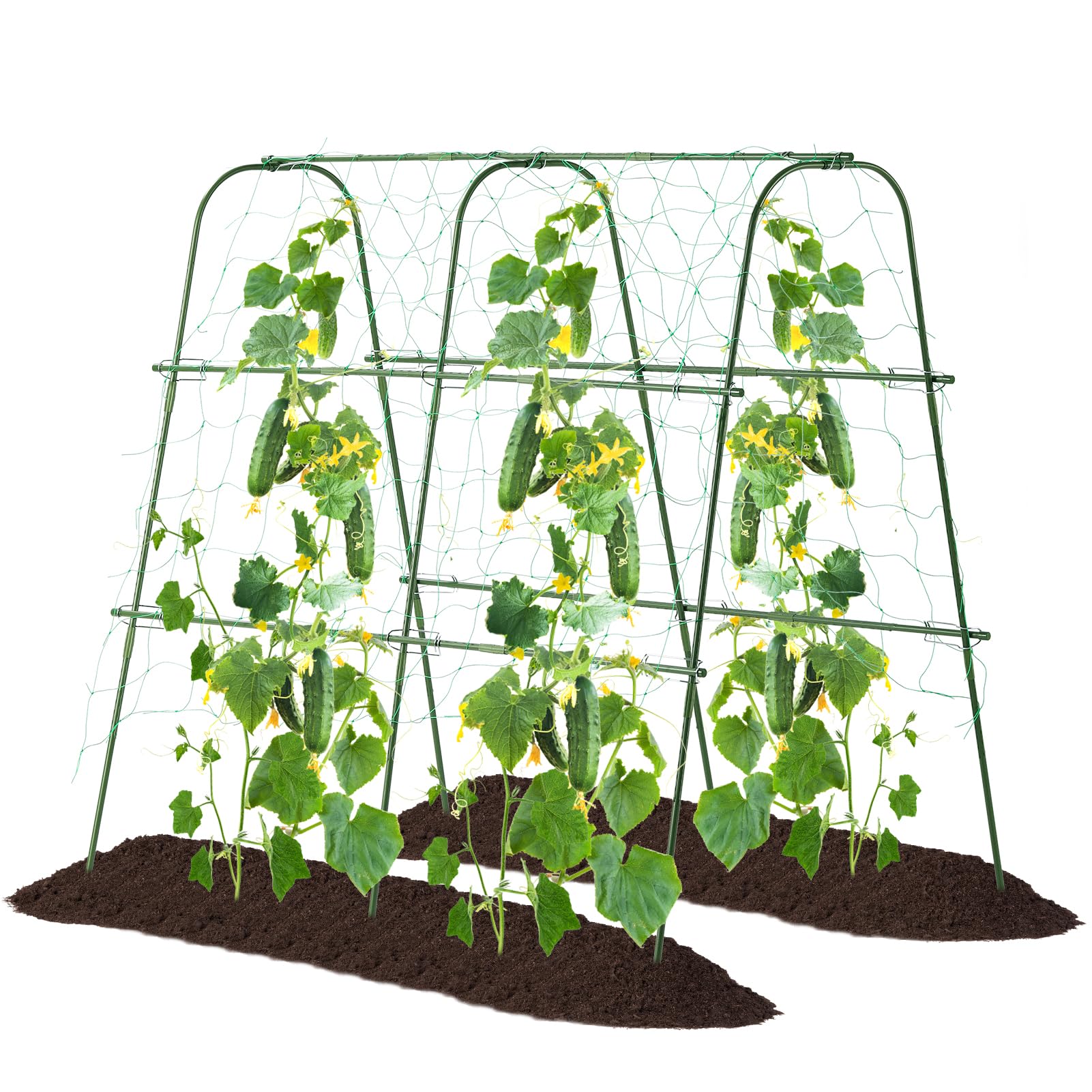
This trellis is a solid pick if we want a sturdy, well-sized support for climbing vegetables in our raised garden beds.
Pros
Want to Grow Fresh Food at Home?
Grab the Beginner’s Guide to Thriving Gardens—your step-by-step plan to grow real food in any backyard, patio, or balcony. Perfect for first-time gardeners!
Buy the Ebook for $14Includes 7 free bonus guides • Instant download • Beginner-friendly
- Assembles easily and quickly, even without extra tools
- Holds up well for cucumbers, beans, and other climbing plants
- Vertical design frees up valuable garden space
Cons
- Assembly can be tricky alone—help is useful
- Clips may sometimes be missing or loose
- Not ideal for very heavy crops without extra support
Using this trellis in our raised beds, we noticed right away how the U-shaped arch made our cucumbers and beans climb tall and healthy. The plastic-coated steel frame felt sturdy but light, and it has no problem handling rainy or windy days. After setup, the netting helped keep our vegetables off the ground where they’re easy to harvest.
Installation took about 20 minutes and didn’t require much effort. It’s nice that we could adjust the width to fit our space. Attaching it to our garden beds was pretty simple, though an extra set of hands made it even quicker. The lightweight build was a bonus when we wanted to move or reassemble it.
Over the growing season, we appreciated how the design made plant management and harvesting less of a chore. Some small downsides exist—heavier plants like big squashes might push the limits of its strength without added support, and we did see that sometimes the clips can go missing in the box. Still, for cucumbers, tomatoes, peas, and similar climbers, the FOLLOOK Garden Cucumber Trellis is efficient, easy to use, and helps us grow healthier plants with less clutter.
Osparple 87×20″ Metal Garden Trellis 2-Pack
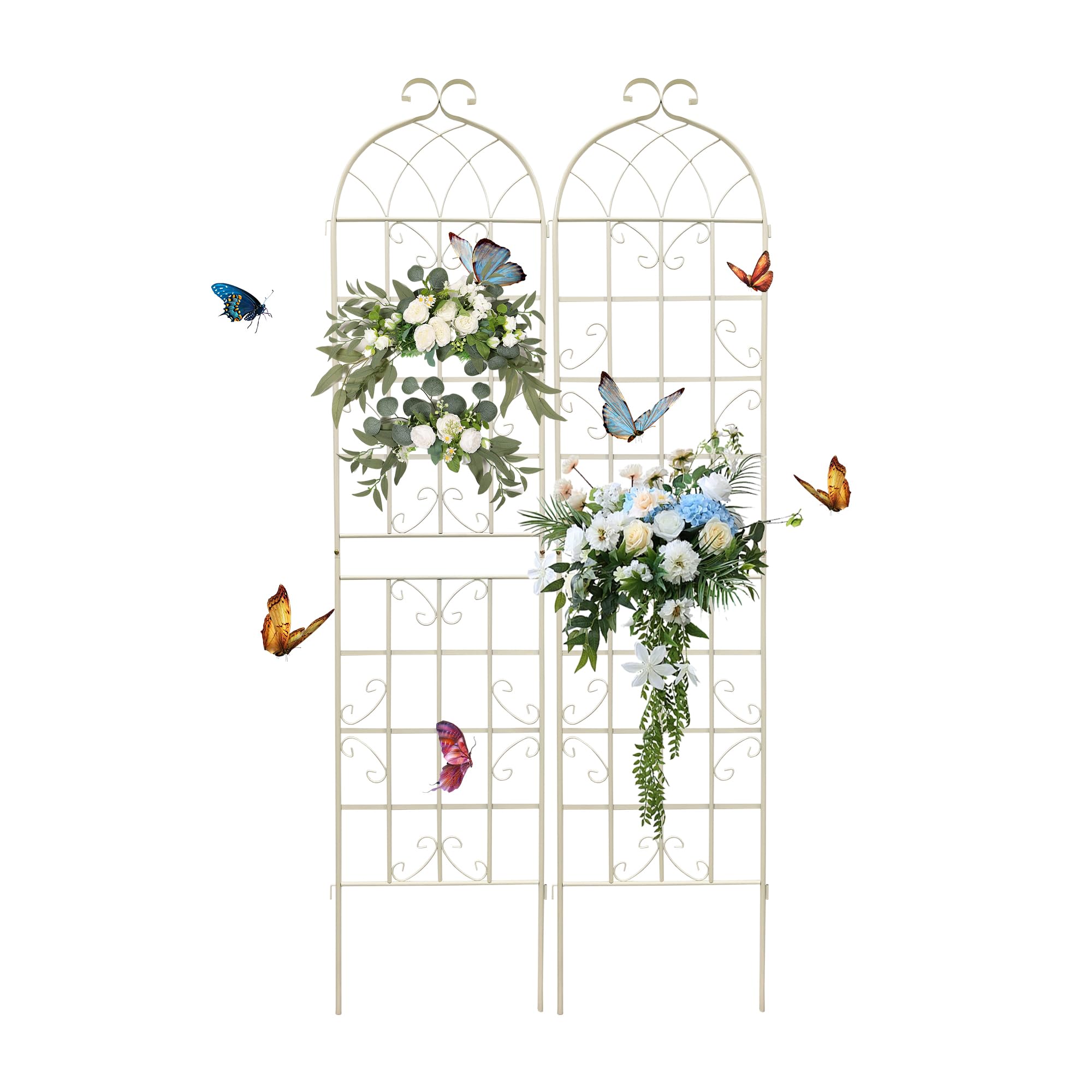
A good choice for anyone wanting strong, stylish support for climbing vegetables and flowers in their garden.
Pros
- Feels durable and doesn’t bend easily, even with heavier plants
- Cream white finish offers a classic look that brightens garden spaces
- Setup is simple and we didn’t need any special tools
Cons
- On the heavier side, so it takes more effort to move
- The height may be too tall for smaller plants
- Only available in one color
We recently set up the Osparple trellis set in our garden, and it impressed us right away. The metal frame felt solid as we put it in place, and both trellises handled climbing beans and peas without sagging or shifting. The cream white finish made our garden look a bit more polished, unlike some darker metal options that can sometimes fade into the background.
Installing these didn’t take us long since all parts matched up and there was no need for complicated tools. Moving both trellises around for spacing did require two people due to their weight. Once set, though, they stood up straight and kept hefty vines growing up, not out.
While the tall design gives squash, sweet peas, and even tomatoes lots of room to grow, it could be more trellis than needed for folks with smaller beds or shorter vegetables. We also noticed there’s no other color choice, which may not appeal to everyone’s taste. For sturdy, attractive support that holds up outside, this Osparple set delivered on its promises in our experience.
Taoskai 4ft Bamboo Trellis 5-Pack

Anyone looking for a natural, simple trellis for climbing vegetables will find this bamboo option from Taoskai effective and easy to use.
Pros
- Natural bamboo material blends into the garden
- Quick to install in pots or garden beds
- Versatile U-shape fits a range of climbing plants
Cons
- Needs to be set deep for strong support
- Not as sturdy as some metal options
- Some pieces vary in size since they’re handmade
With this trellis, we noticed our peas, beans, and even tomatoes climbed up well without much guidance. The natural bamboo really helps our garden keep a tidy appearance, and it doesn’t stick out like some of the metal or plastic choices we’ve used before.
Setting these into the ground is pretty straightforward. We did find they need to be buried a little deeper than expected for heavy veggies like cucumbers, but they manage the weight if installed carefully. The U-shape offers plenty of spots to tie or weave stems, so most vines cooperate.
Each piece had slight differences in width and height since they’re handmade, which didn’t bother us in our outdoor beds but could be a concern for people who want everything perfectly matched. For those wanting a tall, basic trellis made from natural materials, the Taoskai 4ft Bamboo Trellis 5-Pack is a solid and budget-friendly solution.
CANAGROW Garden Trellis Netting

For home gardeners needing a reliable, flexible trellis solution, this CANAGROW netting is a solid choice thanks to its durability and ease of use.
Pros
- Soft but sturdy, won’t harm tender vines
- Easily trimmed to fit different spaces
- Ample room for picking and pruning
Cons
- Arrives tangled and takes time to separate
- Not as thick as some heavy-duty alternatives
- May feel a bit lightweight for extra large crops
We found the CANAGROW Garden Trellis Netting surprisingly easy to work with in small and mid-sized gardens. The net is tough enough to hold climbing beans, tomatoes, and peas, while its soft material prevented any damage to young stems. It’s simple to cut down to just the right size, which reduces waste and lets us adapt it for both raised beds and longer garden rows.
The 6-inch mesh spacing worked well for us, making it easy to reach through for picking and trimming vines. Installation only required a few minutes with some stakes or a support frame. Our plants climbed quickly, and even heavier beans stayed well supported all the way through their growing season.
Untangling the net out of the bag was a bit frustrating the first time we used it. Also, while it held our vegetables as promised, we noticed it might stretch under the weight of larger pumpkins or squash. Still, for most climbing vegetables and flowers, CANAGROW Garden Trellis Netting does its job and helps us maximize growing space.
Lalahoni Garden Arch Trellis
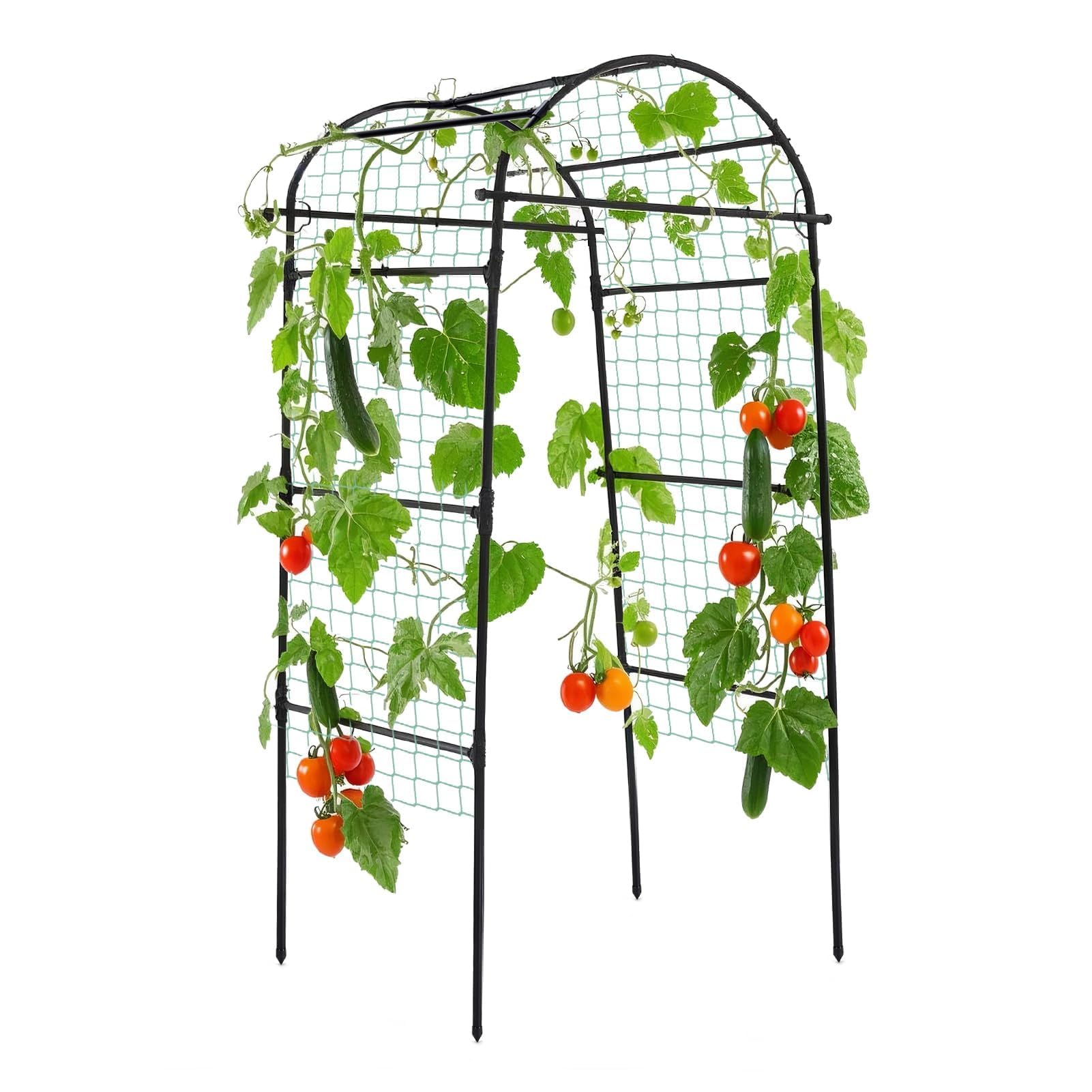
We think this sturdy and stylish arch trellis is a reliable pick for gardeners who want support for climbing vegetables and a decorative touch for their space.
Pros
- Set up takes only a few minutes with easy-to-follow instructions
- Rust-resistant material stands up to outdoor weather
- Can handle heavy vines and tall plants without sagging
Cons
- Structure can feel a bit lightweight in strong winds unless anchored well
- Edges may be rough, so gloves are needed during assembly
- Not as suitable for very tight garden spaces due to the large arch
Putting the Lalahoni Garden Arch Trellis together was quick, since the included instructions and online video made each step clear. The metal pieces connect smoothly, and the clips feel firm when snapped into place. Once set up, the arch gave our cucumbers, beans, and tomatoes plenty of room to grow upward.
We especially like the black coated steel since it doesn’t rust easily, even after rain showers. The arch design adds visual interest to our backyard, turning a simple vegetable patch into an attractive entryway. Vertical growth has definitely freed up space, letting us fit more plants into a single garden bed.
Anchoring the trellis 14 inches deep is important; without this, strong winds could make the frame wobble. Wearing gloves for installation is a must since connecting the parts can be tiring on the hands. Overall, we found the Lalahoni Garden Arch Trellis blends function and style for those looking to support climbing veggies outdoors.
Lalahoni 4ft A-Frame Cucumber Trellis
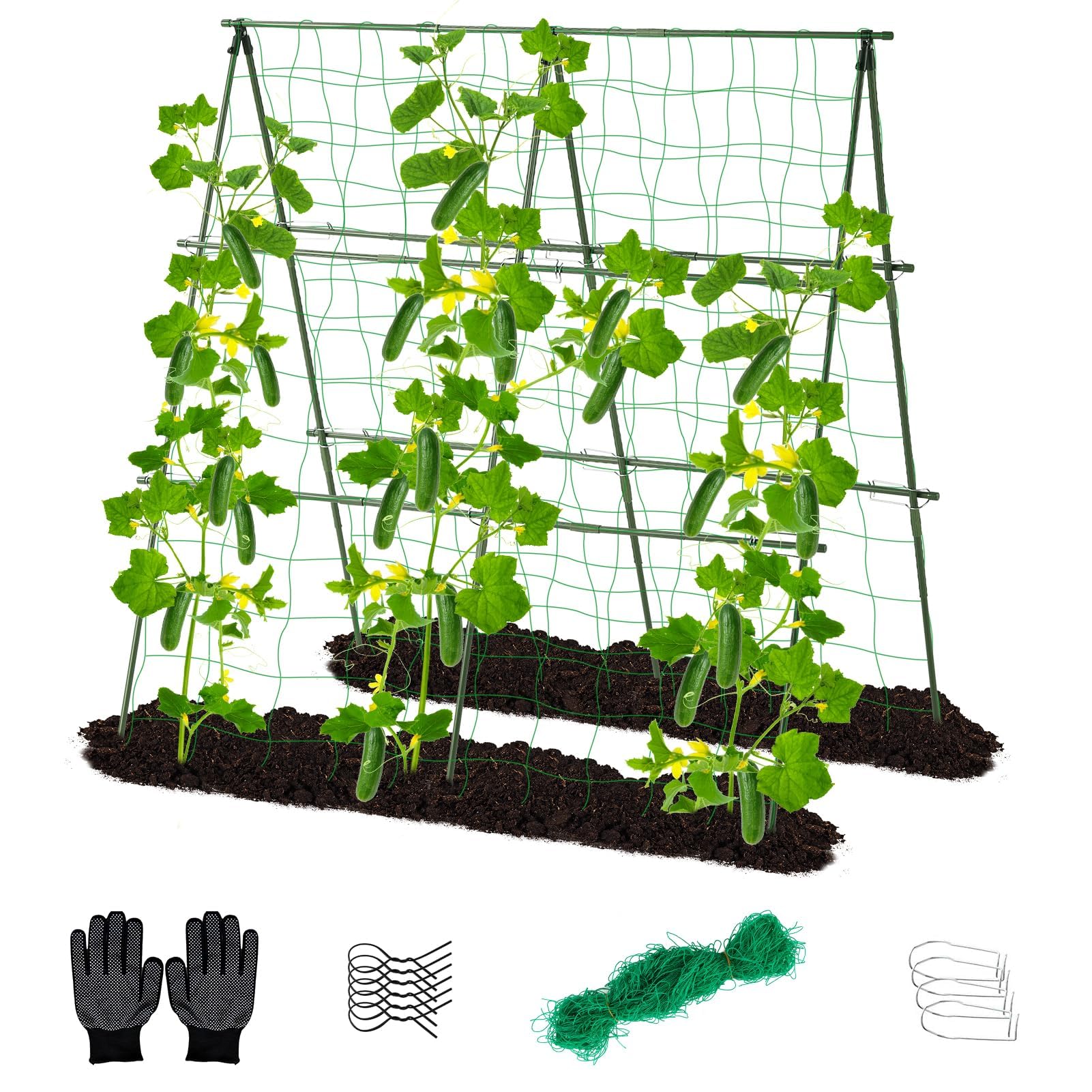
Anyone looking for a sturdy, easy-to-use, and practical trellis for climbing vegetables will find the Lalahoni 4ft A-Frame Cucumber Trellis a valuable addition to the garden.
Pros
- Quick and tool-free setup makes installation easy
- A-frame allows planting on both sides for space savings
- Net and plant clips included for extra support
Cons
- Occasional missing parts in packaging
- Cannot adjust the overall size or shape
- Not suitable for very heavy or extremely tall plants
With the Lalahoni A-Frame Trellis, we noticed how fast it was to set up right out of the box, and we didn’t need any tools. The assembly instructions were simple, and we liked that it folded up neatly for off-season storage. Its metal with PE coating felt solid, and we didn’t have to worry about plants getting burned on hot days.
Using the A-frame design in our raised bed, we could grow cucumbers on both sides. The netting kept fruits secure and made it easy to guide vines upward, and the extra plant clips were handy for training stubborn stems. It held up well through windy afternoons, and the sturdy materials gave us peace of mind.
While the trellis works great for cucumbers, beans, and peas, it does have a few small drawbacks. Sometimes, a piece might be missing, though we didn’t encounter this ourselves. It stays in the same size and shape, so there’s no way to make it larger or shorter. For us, though, it was the right fit for typical garden veggies. All in all, it’s a reliable and hassle-free support system for anyone growing climbing vegetables.
JK-GMTE Cucumber Trellis A Frame
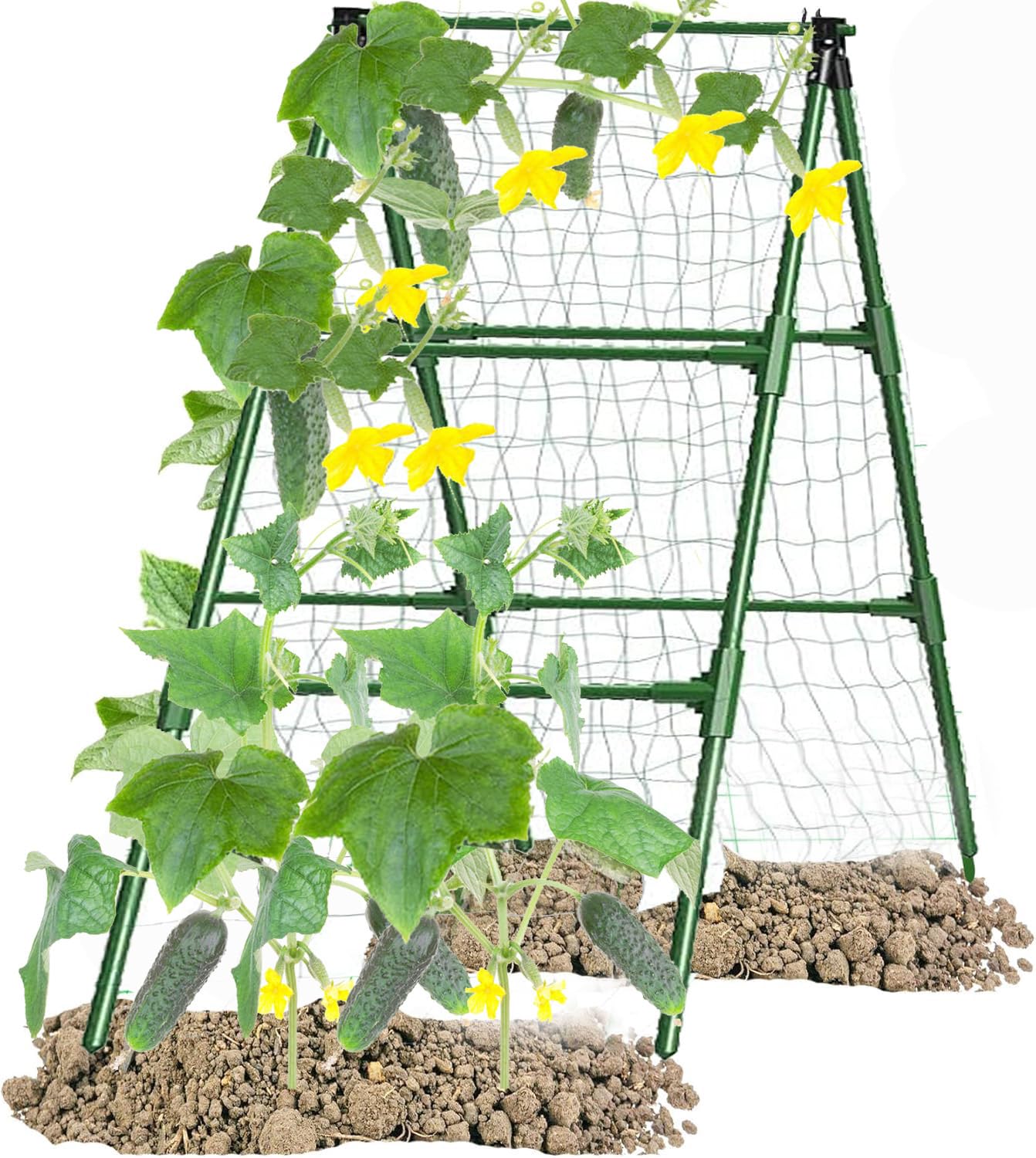
This trellis lets us save space for climbing vegetables, but it comes with a few flaws in quality and assembly.
Pros
- Blends into the garden for a natural look
- Flexible setup for various climbing plants
- Easy to take apart and store
Cons
- Some parts may be missing or flimsy
- Poles can bend under heavier plants
- Instructions can be hard to follow
After putting together the JK-GMTE Cucumber Trellis A Frame, we liked how it fit into our garden without standing out. The green color worked well with leafy plants, and it was convenient to adapt the frame for different vine vegetables.
We struggled with the instructions and noticed that some pieces didn’t match the list, so it took more time to figure things out. The cage is sturdy enough for lighter crops, like peas or flowers, but with heavier vines, the rods bent a little more than we expected.
Overall, this trellis works for cucumbers and smaller veggies if we make sure everything is included before starting assembly. It’s not the strongest out there, but for seasonal use and light climbing plants, it gets the job done if we handle it carefully.
Buying Guide
When we choose a trellis for our climbing vegetables, it helps to look at a few important features. The right trellis can support plant growth and help keep our garden neat.
Material
Most trellises are made from wood, metal, or plastic.
- Wood blends well with gardens but may need protection from moisture.
- Metal lasts longer but can heat up in the sun.
- Plastic is lightweight and can handle rain, but sometimes bends under heavy plants.
Size and Shape
We should check how tall and wide the trellis is. Some climbing vegetables, like peas, need only a short support. Others, like pole beans, need a tall and sturdy trellis.
Below is a simple table comparing options:
| Shape | Best For | Example Use |
|---|---|---|
| Flat Panel | Small spaces, fences | Peas, beans |
| A-frame | Easy access both sides | Cucumbers, beans |
| Obelisk | Decorative gardens | Tomatoes, peas |
Strength
A good trellis can hold the weight of heavy vegetables without bending or tipping. We look for sturdy connections and thick support bars.
Ease of Use
Quick setup saves us time. We check if the trellis folds, stakes into the ground, or needs tools to assemble.
Checking these points can help us pick the best trellis for our space and plants.
Frequently Asked Questions
We often get asked about the best ways to choose, build, and use trellises for vegetables. Materials, vegetable types, garden space, and style all play a part in making the right choice.
What materials are best for constructing a durable vegetable trellis?
We recommend using weather-resistant woods like cedar or redwood, as they resist rot and insects. Metal, such as galvanized steel, also lasts many seasons and holds heavy plants well. For lighter vegetables, PVC pipes or sturdy plastic can be a practical, lightweight choice.
How do you design a trellis system for heavy climbing vegetables?
We need to use stronger materials and thicker supports for heavy vegetables like squash or melons. Building a trellis with wide frames and strong crossbars helps prevent collapse. Adding extra support at the base, such as anchoring posts deeply into the soil, also keeps the structure stable.
Which vegetables are most suited for vertical growth on trellises?
Beans, peas, cucumbers, and tomatoes grow well on trellises. We can also use trellises for gourds, certain types of squash, pole beans, and climbing varieties of zucchini. Sweet peas and some varieties of pumpkins can climb if they have sturdy support.
What are innovative trellis ideas for small-space vegetable gardens?
We like foldable ladder-style trellises, A-frame trellises, and wall-mounted grids for small areas. Using vertical towers or repurposed items like old ladders or crib sides saves space. Hanging planters with string trellises can let us grow upward even on balconies or patios.
How can a trellis be integrated into a garden for both functionality and aesthetics?
We can paint or stain wooden trellises to match the garden style or use decorative patterns for the lattice. Arched trellises along walkways and colorful climbing plants add beauty while supporting crops. Placing benches or seating under large trellis arches gives us a relaxing spot with shade and greenery.
What are the advantages of using a trellis arch for garden vegetables?
A trellis arch lets us grow crops up and over, saving ground space and allowing easier picking. This design increases airflow and sunlight to the plants, helping prevent disease. It can also turn a simple garden path into an eye-catching feature.
Want to Grow Fresh Food at Home?
Grab the Beginner’s Guide to Thriving Gardens—your step-by-step plan to grow real food in any backyard, patio, or balcony. Perfect for first-time gardeners!
Buy the Ebook for $14Includes 7 free bonus guides • Instant download • Beginner-friendly

