Best Grow Bags Vegetables for Healthy and Productive Gardens
This post may contain affiliate links. If you purchase through them, I may earn a small commission at no extra cost to you. As an Amazon Associate, I earn from qualifying purchases.
Growing vegetables in containers has become a practical solution for people with limited outdoor space. Grow bags make this easier by offering a lightweight, breathable option that supports healthy root growth. They come in many sizes and materials, making them useful for both small patios and larger gardens.
5 Quick-Start Garden Plans for Growing Fresh Food at Home (Free PDF)
Get beginner-friendly raised bed garden layout plans, simple container garden ideas, and a flexible salad garden plan you can put to work right away. Perfect for small spaces, patios, and first-season growers.
Instant email delivery • Unsubscribe anytime
The most important things to consider when choosing grow bags are material quality, size, and drainage. Fabric thickness affects durability and how well the bag holds moisture. Handles and structure also matter if you plan to move the bags often. Selecting the right grow bag can improve plant health, reduce root rot, and make gardening more manageable.
We spent hours comparing different grow bags and testing them with a range of vegetables to find the best options for healthy growth and easy maintenance.
Want to Grow Fresh Food at Home?
Grab the Beginner’s Guide to Thriving Gardens—your step-by-step plan to grow real food in any backyard, patio, or balcony. Perfect for first-time gardeners!
Buy the Ebook for $14Includes 7 free bonus guides • Instant download • Beginner-friendly
Best Grow Bags for Vegetables
We researched and compared top grow bags to help you find the best options for healthy vegetable growth. Our picks focus on durability, drainage, and ease of use, making it simple for us to grow strong plants in any space.
Cavisoo 10-Gallon Grow Bags

A solid choice for gardeners who want durable, breathable grow bags that make harvesting simple and clean.
Pros
- Thick fabric holds shape and lasts through multiple seasons
- Side flap makes checking roots and harvesting easy
- Handles are sturdy and comfortable to lift
Cons
- Soil can dry out quickly in hot weather
- Only one size available in the set
- Taller height may not suit shallow-rooted plants
We found the Cavisoo grow bags sturdy and easy to handle. The thick nonwoven fabric felt strong, and the reinforced handles held up well when we moved them full of soil. The breathable material helped prevent soggy roots, and our potatoes and carrots grew evenly.
The side window came in handy when checking on root growth. We liked being able to peek inside without disturbing the plants. However, we noticed the soil dried out faster than in solid pots, so regular watering was important.
These bags worked best for root vegetables and compact fruiting plants. For gardeners with limited space or those who want portable planters, this set offers good value and reliable performance.
JERIA 10-Gallon Grow Bags

A solid choice for anyone who wants an affordable and reusable way to grow vegetables in limited space.
Pros
Want to Grow Fresh Food at Home?
Grab the Beginner’s Guide to Thriving Gardens—your step-by-step plan to grow real food in any backyard, patio, or balcony. Perfect for first-time gardeners!
Buy the Ebook for $14Includes 7 free bonus guides • Instant download • Beginner-friendly
- Strong fabric that holds its shape and drains well
- Handles make moving plants easy
- Folds flat for compact storage
Cons
- Handles sit high and can get in the way when watering
- Slightly smaller than expected
- Fabric can dry out faster in hot weather
We found the JERIA grow bags simple to set up and easy to fill with soil. The non-woven fabric feels sturdy and breathable, which helped our pepper and tomato plants develop healthy roots. Water drained evenly, so we didn’t have to worry about soggy soil.
When we moved the bags around, the built-in handles held up well without tearing. They made rearranging our small patio garden quick and painless. We liked that the bags stayed upright even when full, which kept the garden looking tidy.
After the season ended, we cleaned and folded the bags for storage. They took up very little space and looked ready for another round next year. For the price, the JERIA 10-Gallon Grow Bags give us a practical and durable option for growing vegetables anywhere.
Utopia Home 5 Pack Grow Bags

A solid choice for anyone who wants durable, easy-to-move grow bags for vegetables or herbs.
Pros
- Strong fabric holds up well through multiple growing seasons
- Handles make moving plants simple
- Breathable design keeps roots healthy
Cons
- Requires more frequent watering than plastic pots
- Slightly shorter than expected for a 5-gallon size
- Fabric can stain if left on damp ground
We used these Utopia Home grow bags for tomatoes and peppers, and they performed well. The felt fabric felt sturdy and didn’t tear, even when filled with soil. The handles made it easy to shift the bags to get better sunlight during the day.
The aeration worked as promised. Our plants grew strong roots and didn’t suffer from soggy soil. However, we noticed they dried out faster than plastic containers, so we had to water more often.
We liked how lightweight and reusable these bags are. After the season ended, we emptied and rinsed them out without any trouble. For anyone short on space, these bags fit nicely on patios or balconies and store flat when not in use.
AGOLEAM 10-Gallon Grow Bags
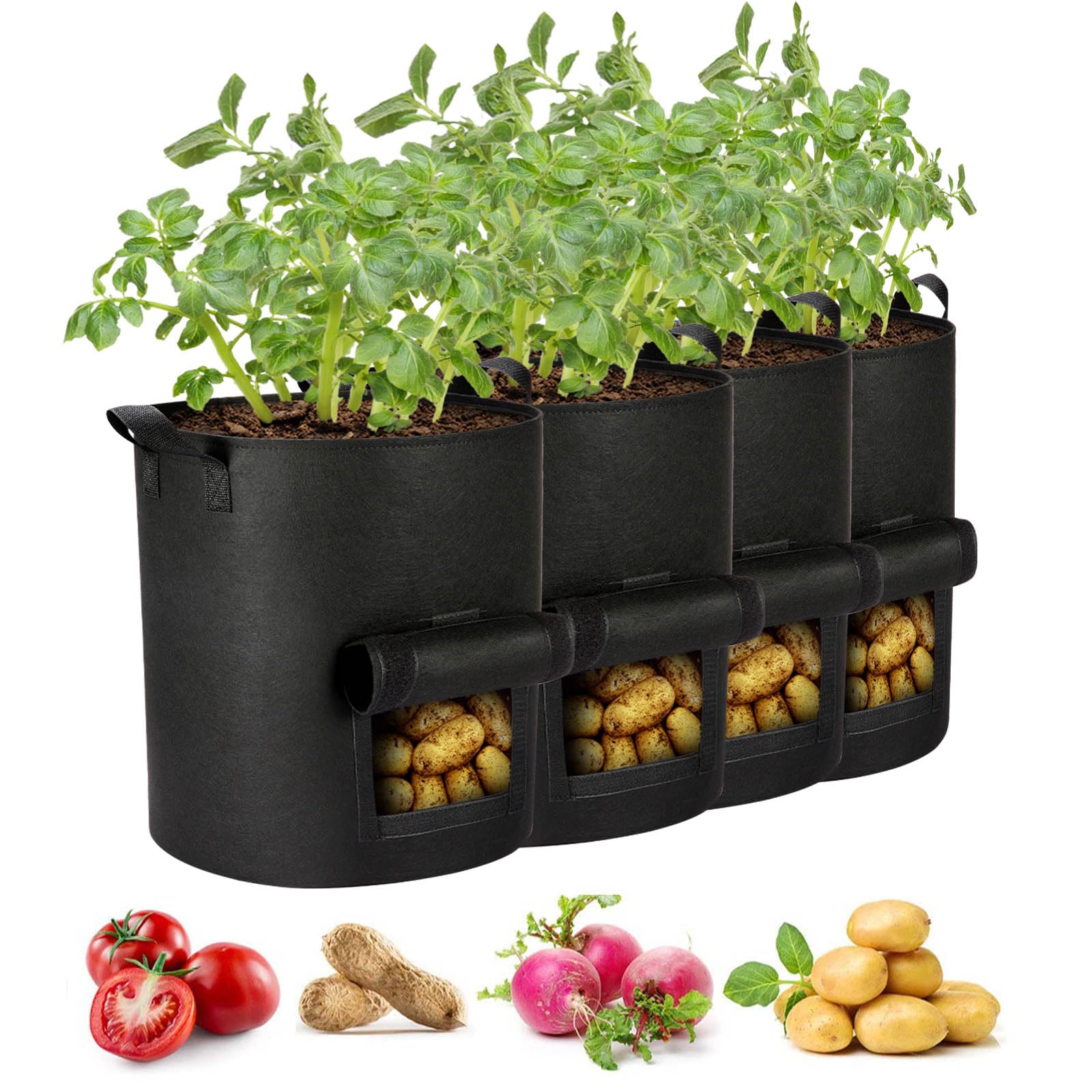
A solid choice for anyone wanting durable, roomy grow bags that make vegetable gardening easier in small spaces.
Pros
- Strong handles make moving full bags simpler
- Breathable fabric keeps roots healthy
- Large capacity allows for multiple vegetables
Cons
Want to Grow Fresh Food at Home?
Grab the Beginner’s Guide to Thriving Gardens—your step-by-step plan to grow real food in any backyard, patio, or balcony. Perfect for first-time gardeners!
Buy the Ebook for $14Includes 7 free bonus guides • Instant download • Beginner-friendly
- Fabric feels a bit soft before adding soil
- Can lose shape when empty
- May dry out faster in hot weather
We found the AGOLEAM grow bags easy to set up and move around the patio. Once filled with soil, they stayed upright and felt sturdy enough to hold heavy plants. The handles didn’t strain under the weight, which made repositioning them much less of a hassle.
The fabric allowed air and water to flow well, keeping the soil from getting soggy. Our potatoes and peppers grew evenly, and the roots looked healthy when we checked them. The drainage worked as expected, which helped prevent rot.
When empty, the bags felt a little floppy, but that issue disappeared once filled. We noticed they dried out quicker than plastic pots, so we watered more often. Overall, these grow bags gave us a reliable way to grow vegetables without needing a large garden.
JERIA 5-Gallon Grow Bags

These grow bags are a solid choice for anyone who wants a simple and reliable way to grow vegetables in limited space.
Pros
- Sturdy handles make moving plants easy
- Fabric drains water well and keeps roots healthy
- Reusable and simple to store after the season
Cons
- Slightly smaller than expected
- Handles could be sewn lower for easier watering
- Fabric may dry out faster in hot weather
We found the JERIA 5-Gallon Grow Bags easy to set up and move around the yard. The material feels thick and breathable, which helped our vegetables grow strong roots without getting waterlogged. The drainage worked well, and the bags stayed upright even when full of soil.
When we moved the bags to different spots for better sunlight, the sturdy handles held up without tearing. The size fit small plants like peppers and herbs well, though larger vegetables like tomatoes needed extra support. The black fabric also kept the soil warm, which helped early growth.
After harvesting, we cleaned and folded them for storage, and they took up almost no space. For the price and quantity, these bags offer great value for small gardens, patios, or anyone starting container gardening.
Buying Guide
When we choose grow bags for vegetables, we look for materials that support healthy root growth and last through several seasons. Breathable fabric helps prevent overwatering and improves air circulation. We avoid bags that feel too thin or tear easily.
We also check drainage. Good grow bags have small holes or porous fabric that lets extra water escape. Poor drainage can cause root rot, especially in wetter climates.
Size and shape matter too. Smaller bags work for herbs or lettuce, while larger ones suit tomatoes or peppers. We match the bag size to the plant’s root depth and growth space.
| Feature | Why It Matters | What To Look For |
|---|---|---|
| Material | Affects durability and airflow | Thick, nonwoven fabric |
| Drainage | Prevents water buildup | Permeable sides or base holes |
| Size | Matches plant needs | 1–10 gallons for most vegetables |
| Handles | Helps with mobility | Reinforced stitching |
| Color | Influences soil temperature | Dark for cooler areas, light for hot climates |
We prefer bags with sturdy handles for easy movement. This helps when rearranging plants for better sunlight.
Finally, we consider reusability. Washable, UV-resistant bags save money over time and reduce waste.
Frequently Asked Questions
We focus on choosing vegetables that adapt well to container growth, preparing the right soil mix, and selecting suitable bag sizes. We also look at the benefits and limits of grow bags and which vegetables do best in smaller containers.
What are the ideal vegetables to cultivate in grow bags?
We find that tomatoes, peppers, lettuce, spinach, radishes, and carrots grow well in grow bags. These plants adapt easily to limited space and shallow soil. Herbs like basil, parsley, and cilantro also perform strongly in this setup.
How should one properly fill grow bags for vegetable growth?
We fill grow bags with a light, well-draining mix of compost, peat, and perlite. The soil should stay loose to allow roots to breathe. We leave about two inches of space at the top to prevent water from spilling over.
Which size grow bags are optimal for different types of vegetables?
We use 3–5 gallon bags for herbs and leafy greens. 7–10 gallon bags work best for peppers, eggplants, and tomatoes. Root vegetables like potatoes or carrots need 10–15 gallon bags to allow deeper root growth.
Can grow bags support the healthy development of both vegetables and fruits?
Yes, we can grow both vegetables and small fruits in grow bags. Strawberries, dwarf tomatoes, and peppers produce well when given proper nutrients and watering. Larger fruiting plants like melons or squash need bigger bags and more frequent watering.
What are the potential drawbacks of using grow bags for vegetable gardening?
We notice that grow bags dry out faster than traditional pots or garden beds. They also may need more frequent feeding due to nutrient loss from drainage. Over time, fabric bags can degrade and require replacement after a few seasons.
Are there specific vegetables that thrive particularly well in 5-gallon grow bags?
We see that lettuce, spinach, kale, radishes, and bush beans do best in 5-gallon grow bags. These vegetables have compact roots and mature quickly. The size offers enough space for healthy growth without wasting soil or water.
Want to Grow Fresh Food at Home?
Grab the Beginner’s Guide to Thriving Gardens—your step-by-step plan to grow real food in any backyard, patio, or balcony. Perfect for first-time gardeners!
Buy the Ebook for $14Includes 7 free bonus guides • Instant download • Beginner-friendly

