Best Gardening Hand Fork for Efficient and Precise Soil Work
This post may contain affiliate links. If you purchase through them, I may earn a small commission at no extra cost to you. As an Amazon Associate, I earn from qualifying purchases.
Gardening tools make routine yard work easier and more efficient. Among them, the hand fork is one of the most useful for loosening soil, removing weeds, and mixing in compost. It’s a small, simple tool, but a good one can make a noticeable difference in how easily you can care for your plants.
5 Quick-Start Garden Plans for Growing Fresh Food at Home (Free PDF)
Get beginner-friendly raised bed garden layout plans, simple container garden ideas, and a flexible salad garden plan you can put to work right away. Perfect for small spaces, patios, and first-season growers.
Instant email delivery • Unsubscribe anytime
Hand forks come in many shapes and materials, from lightweight plastic handles to sturdy stainless steel tines. The most important thing to look for in a gardening hand fork is strong, rust-resistant metal and a comfortable grip that fits your hand well. A weak handle or poorly attached head can make even light work frustrating, while a well-built fork lasts through years of regular use.
We spent hours comparing and testing several hand forks to find the ones that dig smoothly, feel balanced, and hold up to tough soil.
Want to Grow Fresh Food at Home?
Grab the Beginner’s Guide to Thriving Gardens—your step-by-step plan to grow real food in any backyard, patio, or balcony. Perfect for first-time gardeners!
Buy the Ebook for $14Includes 7 free bonus guides • Instant download • Beginner-friendly
Best Gardening Hand Forks
We reviewed the top gardening hand forks to help you find the right tool for your garden. Our picks focus on comfort, strength, and durability, making it easier for us to loosen soil and remove weeds efficiently. Below is our full list of the best gardening hand forks.
Fiskars Ergo Cultivator

This is a dependable hand fork that feels durable and comfortable, making it a smart buy for regular garden work.
Pros
- Strong aluminum tines resist bending and rust
- Comfortable handle reduces hand strain
- Easy to hang and store after use
Cons
- Slightly larger than expected for tight spaces
- Handle grip can get slippery when wet
- Not ideal for very fine soil work
We found the Fiskars Ergo Cultivator easy to control even when working in compact soil. The aluminum head feels sturdy and doesn’t flex under pressure, which gives us confidence when tackling weeds or loosening tough dirt.
The handle design fits well in the hand and keeps fatigue low during longer sessions. We liked the textured grip, though it can feel slick if our gloves are damp. The built-in hang hole is practical for quick storage in the shed.
It’s a bit bulkier than some smaller hand forks, but that extra strength pays off when digging into dense ground. For gardeners who value comfort and durability, this tool offers a good balance of both.
Garden Guru Stainless Steel Hand Fork

We recommend this hand fork for gardeners who want a reliable, comfortable tool that makes weeding and soil work easier.
Pros
Want to Grow Fresh Food at Home?
Grab the Beginner’s Guide to Thriving Gardens—your step-by-step plan to grow real food in any backyard, patio, or balcony. Perfect for first-time gardeners!
Buy the Ebook for $14Includes 7 free bonus guides • Instant download • Beginner-friendly
- Strong stainless steel tines resist bending and rust
- Comfortable handle reduces wrist strain
- Easy to clean and hang for storage
Cons
- Handle may feel bulky for smaller hands
- Not ideal for very compacted soil
- Slightly heavier than plastic models
We found the Garden Guru hand fork sturdy and well-balanced in daily use. The stainless steel tines glide easily through loose soil, and they don’t warp even after repeated digging. It feels dependable when loosening roots or mixing compost.
The ergonomic handle stands out. Its shape keeps our grip steady without causing hand fatigue, even after a long afternoon in the garden. The hanging hole makes it simple to store in a shed or on a wall hook.
We also appreciate the company’s focus on sustainability and the lifetime warranty. It gives us confidence that this tool will last through many planting seasons without needing a replacement.
AMES Hand Cultivator
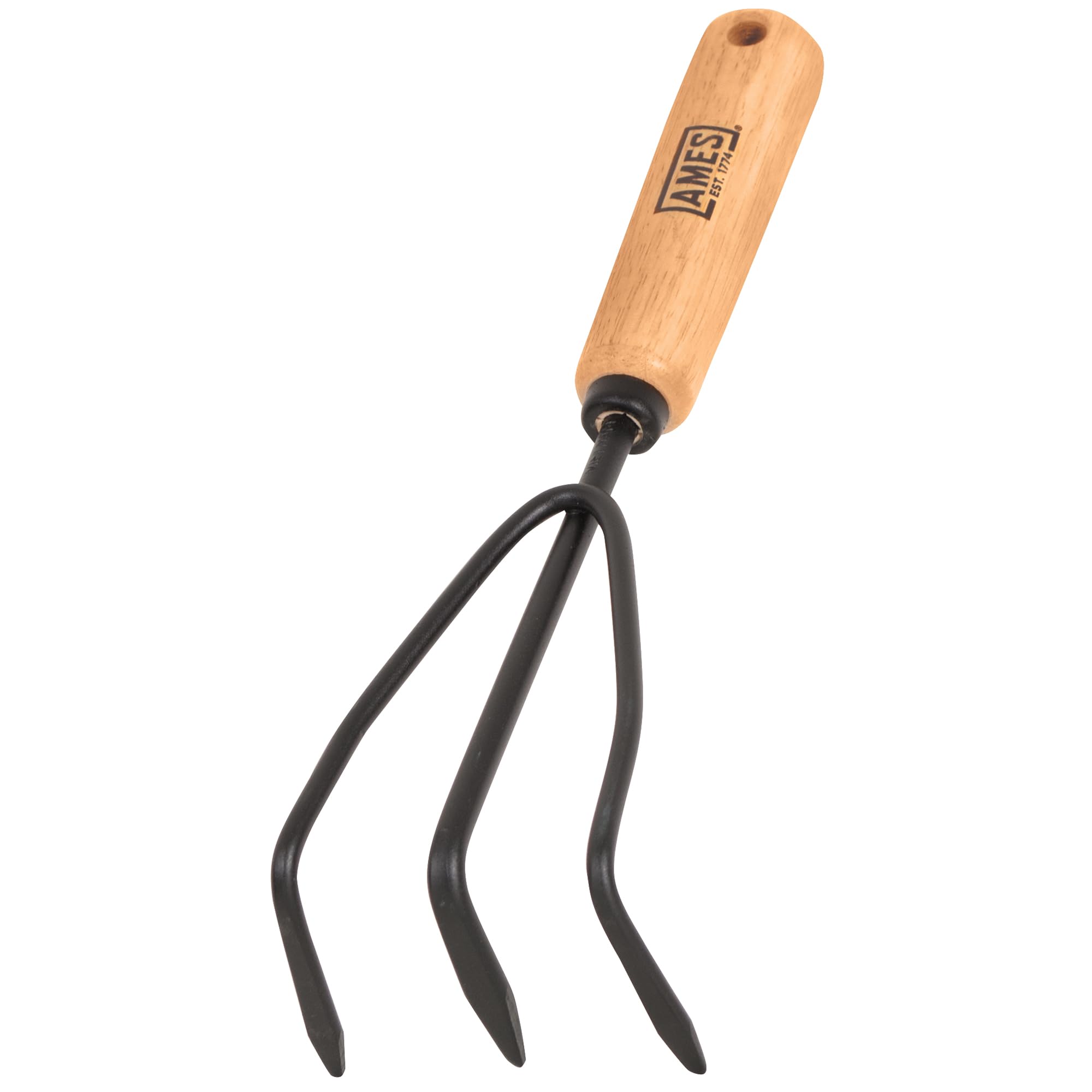
A solid choice for gardeners who want a reliable and simple tool for loosening soil and pulling small weeds.
Pros
- Strong tempered steel head resists bending
- Smooth wooden handle feels comfortable in hand
- Easy to store with the built-in hanging hole
Cons
- Handle can feel short for taller users
- Not ideal for heavy clay soil
- Wood may weather if left outdoors
We found the AMES Hand Cultivator sturdy and well-balanced during use. The tempered steel tines dug into compact soil without bending, even when we applied pressure. It handled small weeds around flowers and vegetables with little effort.
The wooden handle felt smooth and secure, and the shape made it easy to grip for longer periods. We liked that it didn’t slip, even when our hands were damp. The hang-up hole made it convenient to store on a hook in the shed.
While it’s dependable for light to moderate gardening, it’s not designed for breaking up dense clay or hard-packed dirt. For everyday garden maintenance, though, this hand cultivator performs well and feels built to last.
Haliaeetus Garden Hand Fork
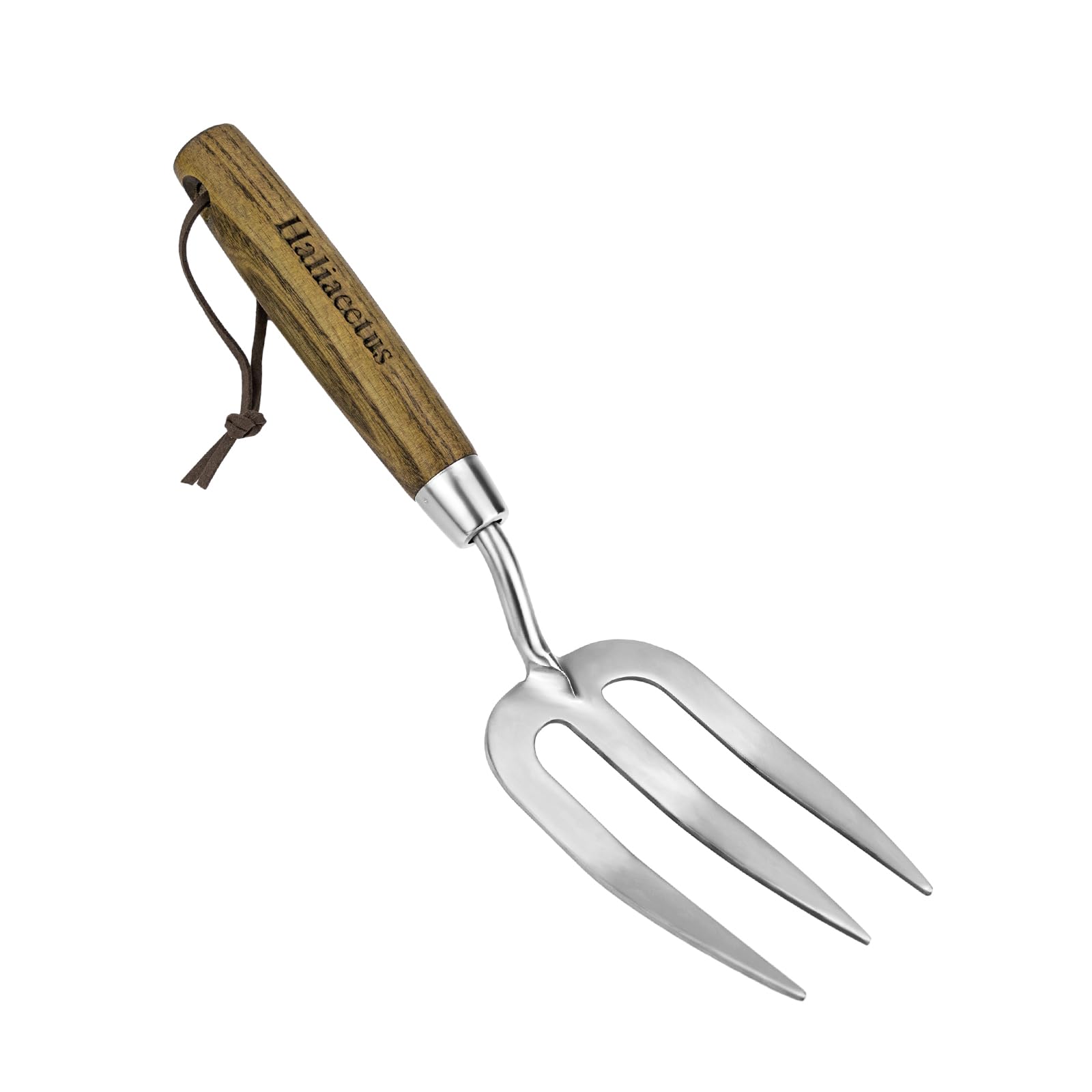
This hand fork is a solid choice for gardeners who want a sturdy, comfortable tool that handles tough soil and deep-rooted weeds with ease.
Pros
- Sharp tines dig through compact soil easily
- Wooden handle feels natural and reduces wrist strain
- Durable stainless steel resists bending and rust
Cons
Want to Grow Fresh Food at Home?
Grab the Beginner’s Guide to Thriving Gardens—your step-by-step plan to grow real food in any backyard, patio, or balcony. Perfect for first-time gardeners!
Buy the Ebook for $14Includes 7 free bonus guides • Instant download • Beginner-friendly
- Handle finish could be smoother for bare-hand use
- Works best only when soil is moist
- Slightly heavier than some plastic-handled options
We found the Haliaeetus fork dependable for loosening dense soil and lifting weeds without much effort. The three metal tines bite into the ground cleanly, even when we hit small rocks or roots. It made quick work of clearing a garden bed after a light rain.
The wooden handle fits comfortably in the hand, and the balance feels right for steady digging. After using it for an hour, our wrists didn’t ache, which we can’t say about many cheaper tools. The wood also absorbs some shock when prying up packed dirt.
We did notice that the handle’s drilled holes could use a smoother finish if you prefer working without gloves. Despite that, the fork’s strength and control make it a practical tool for everyday gardening. It’s built to last and backed by a lifetime warranty, which adds peace of mind for long-term use.
Corona Comfort Fork

This hand fork is a solid choice for gardeners who want a lightweight, comfortable tool that handles soil work with ease.
Pros
- Feels sturdy yet light in the hand
- Comfortable cushioned grip reduces hand strain
- Durable aluminum head resists rust
Cons
- Handle may feel large for smaller hands
- Not ideal for very heavy or rocky soil
- Grip material can wear if left outdoors
We found the Corona Comfort Fork easy to control when loosening compact soil or removing weeds around delicate plants. The aluminum tines cut into the dirt smoothly without bending, and the handle felt balanced even after long use. It’s a tool that makes small garden tasks quicker and less tiring.
The soft, textured grip stood out to us. It stayed comfortable even when our hands were damp, though we noticed that leaving it outside in the sun could shorten its life. The red handle also made it easy to spot among other tools.
When it came to durability, the fork held up well during regular use. It’s not built for prying up rocks or breaking hard clay, but for everyday gardening, it performs dependably. We think it’s a smart buy for anyone who values comfort and reliability in a hand tool.
Buying Guide
When we choose a gardening hand fork, we look for tools that balance comfort, strength, and control. A good fork helps us loosen soil, remove weeds, and mix compost with ease.
Key things to check:
- Material: Stainless steel resists rust and is easy to clean. Carbon steel is strong but may need more care.
- Handle: Wood feels natural, while plastic or rubber grips can reduce slipping.
- Tines: Look for sharp, sturdy tines that won’t bend in compact soil.
| Feature | What to Look For | Why It Matters |
|---|---|---|
| Weight | Light to medium | Easier to handle for longer periods |
| Grip | Non-slip or contoured | Improves comfort and control |
| Length | Around 10–12 inches | Offers good reach without losing precision |
| Build Quality | Solid joint between handle and head | Prevents breakage during digging |
We should test how the fork feels in our hand. A balanced tool reduces strain and improves accuracy.
If we often work in rocky or clay soil, we may want a fork with thicker tines. For lighter garden work, a smaller, lightweight model might be enough.
Choosing the right hand fork depends on our soil type, garden size, and how often we use it.
Frequently Asked Questions
We focus on the details that make a hand fork effective, long-lasting, and comfortable to use. We also compare materials, brands, and designs to help us choose the right tool for different gardening needs.
What are the key features to look for in a high-quality garden hand fork?
We look for strong tines made of stainless steel or carbon steel. A comfortable, non-slip handle helps reduce hand strain. The fork should feel balanced and sturdy during use.
Which brands are known for manufacturing the most durable garden hand forks?
Brands like Fiskars, Burgon & Ball, and Spear & Jackson often produce reliable hand forks. They use durable materials and ergonomic designs that hold up well under frequent use.
How does the material of a garden hand fork affect its performance and longevity?
Stainless steel resists rust and glides easily through soil. Carbon steel is very strong but needs cleaning and oiling to prevent corrosion. Plastic or aluminum forks are lightweight but may bend under pressure.
What are the differences between a garden hand fork and a digging fork in terms of usage?
A garden hand fork is small and made for close-up work like loosening soil or removing weeds. A digging fork is larger, with longer tines, and is used for turning over soil or breaking up compacted ground.
Can you recommend a garden hand fork suitable for heavy-duty tasks?
We recommend a stainless steel hand fork with a solid metal core or a full tang design. Models with reinforced handles and thick tines perform better in dense or rocky soil.
What are the benefits of using a stainless steel border fork in gardening?
A stainless steel border fork resists rust and is easier to clean. It works well in smaller garden beds where space is limited, offering control and precision without adding much weight.
Want to Grow Fresh Food at Home?
Grab the Beginner’s Guide to Thriving Gardens—your step-by-step plan to grow real food in any backyard, patio, or balcony. Perfect for first-time gardeners!
Buy the Ebook for $14Includes 7 free bonus guides • Instant download • Beginner-friendly


