Best Gardening Books for Learning and Inspiration Top Picks for Every Skill Level
This post may contain affiliate links. If you purchase through them, I may earn a small commission at no extra cost to you. As an Amazon Associate, I earn from qualifying purchases.
Gardening is a rewarding hobby that helps us connect with nature and enjoy fresh flowers, fruits, and vegetables. Reading is one of the best ways to learn new gardening techniques or get inspired to try different styles and plants. There are many gardening books that cover topics like beginner basics, plant care, landscaping ideas, and organic gardening tips.
5 Quick-Start Garden Plans for Growing Fresh Food at Home (Free PDF)
Get beginner-friendly raised bed garden layout plans, simple container garden ideas, and a flexible salad garden plan you can put to work right away. Perfect for small spaces, patios, and first-season growers.
Instant email delivery • Unsubscribe anytime
Choosing the right gardening book can be hard because there are so many options. We look for books that are clear, easy to follow, and give reliable information. It’s important to consider the author’s experience, the plants or gardening methods they focus on, and if the book has helpful photos or illustrations. Books meant for your growing region or climate will also be most useful.
A good gardening book can be a valuable resource for years, offering advice to help us avoid mistakes and succeed with our gardens. We reviewed a range of books to find the best ones for learning and inspiration.
Want to Grow Fresh Food at Home?
Grab the Beginner’s Guide to Thriving Gardens—your step-by-step plan to grow real food in any backyard, patio, or balcony. Perfect for first-time gardeners!
Buy the Ebook for $14Includes 7 free bonus guides • Instant download • Beginner-friendly
Best Gardening Books for Learning and Inspiration
We have gathered a selection of the best gardening books to help you learn new skills and find inspiration. These books offer clear advice and practical tips for gardeners of all levels. Let’s take a look at our top picks.
Raised-Bed Gardening for Beginners

This book is a solid pick for anyone interested in learning how to start and maintain a successful raised-bed garden, especially if you want clear, friendly guidance.
Pros
- Step-by-step instructions are easy to follow
- Helpful illustrations make concepts simple to understand
- Covers the basics without overwhelming new gardeners
Cons
- Fertilizing tips are a little basic and could go deeper
- Some plant details could be more organized by season
- The book is focused on beginners, so advanced techniques are limited
When we sat down with “Raised-Bed Gardening for Beginners,” we noticed right away that the writing is clear and encouraging. The book guides us through designing and building our first raised beds. The layouts and drawings are colorful and break the process into understandable pieces.
New gardeners will appreciate the simple explanations and pictures that make it less intimidating to start growing vegetables. It helped us plan companion planting, and the tips for soil and placement got our garden off to a smooth start. The short chapters made it easy to pick up where we left off without feeling lost.
There are a few areas where we wanted a bit more detail, such as step-by-step fertilizing schedules or how to handle problems like pests mid-season. Still, for anyone seeking a practical starting point and quick wins, this book delivers useful advice and inspires us to keep learning. If you’ve never built a garden before, or you need a refresher, this fits the bill.
Floret Farm’s Cut Flower Garden

Anyone eager to start harvesting their own beautiful flowers at home will find this book both practical and inspiring.
Pros
Want to Grow Fresh Food at Home?
Grab the Beginner’s Guide to Thriving Gardens—your step-by-step plan to grow real food in any backyard, patio, or balcony. Perfect for first-time gardeners!
Buy the Ebook for $14Includes 7 free bonus guides • Instant download • Beginner-friendly
- The step-by-step instructions are simple for beginners to follow
- Full of stunning photos that help spark ideas for our own gardens
- Tips cover not just growing but arranging flowers, making it useful all year
Cons
- Some growing advice is focused on specific climates
- A few details on seed starting and care could go deeper
- The book has a large format, which isn’t always easy to carry outside
We found Floret Farm’s Cut Flower Garden to be an excellent guide when we wanted to grow more flowers at home. The author walks us through how to plant, care for, and cut different blooms with easy-to-understand steps. The colorful photos throughout the book gave us lots of ideas for both garden layouts and flower arrangements.
For those who want more than just planting advice, this book covers harvesting, arranging, and even seasonal tips so we can enjoy fresh flowers most of the year. We appreciated that the writing is friendly and organized, making each topic simple to find and follow. The included personal stories added a nice touch, helping us feel connected to the author’s journey.
The main downside is that some recommendations might be better suited to certain climates, especially the Pacific Northwest, and some topics like seed starting are not very detailed. Still, the overall look and feel of the book motivated us to try new things in our garden, and it remains a resource we return to often to get inspired or check a tip.
Companion Planting for Beginners

This book is a helpful choice for gardeners who want to understand how to pair plants together for healthier, chemical-free vegetable gardens.
Pros
- Great for beginners, especially with clear pictures
- Garden bed layout sketches are simple to follow
- Makes pairing plants less confusing
Cons
- Does not go deep into every companion planting detail
- Some advice may seem basic for experienced gardeners
- A few gardening methods are mentioned briefly without much explanation
Using Companion Planting for Beginners, we noticed how easy the instructions were to follow. The diagrams for plant layouts save time and help us plan what to grow together. When we were unsure which vegetables worked well side by side, the book’s charts provided answers quickly.
We appreciated the book’s simple steps and colorful photos. For gardeners just starting out, the explanations are straightforward and avoid overwhelming details. When returning to look up plant pairings, the guide is easy to flip through and reference as needed.
A few sections could offer deeper advice for more advanced gardeners, but most beginners will find the information clear and useful. Anyone needing reminders about which plants help each other should keep this guide handy for regular use.
Peonies: Beautiful Varieties for Home & Garden

This book is a strong pick for anyone interested in growing or admiring peonies for their home or garden.
Pros
- Full-page photos showcase peony varieties beautifully
- Easy to read and well-organized content
- High-quality materials make it gift-worthy
Cons
Want to Grow Fresh Food at Home?
Grab the Beginner’s Guide to Thriving Gardens—your step-by-step plan to grow real food in any backyard, patio, or balcony. Perfect for first-time gardeners!
Buy the Ebook for $14Includes 7 free bonus guides • Instant download • Beginner-friendly
- Focuses mostly on peonies, not other flowers
- Some readers may want deeper gardening advice
- Could feel repetitive if you aren’t a peony fan
After flipping through “Peonies: Beautiful Varieties for Home & Garden,” we found the book both inspiring and visually stunning. The photographs highlight the colors and shapes of peonies in a way that draws us back whenever we’re seeking ideas for our own garden. Every page feels like it was made for display.
We also appreciate how the writing gets right to the point, making it easy for us to find growing tips and descriptions without much fuss. The structure is clear, separating different peony types and uses. For anyone who likes learning as much as looking, this book gives simple, useful info paired with beautiful images.
On the other hand, this isn’t a deep gardening manual. If you’re looking for guidance on a wide variety of plants, or more detailed how-to steps, you might want to look elsewhere. But for peony lovers or as a thoughtful gift, Peonies: Beautiful Varieties for Home & Garden stands out on the coffee table and in the garden shed alike.
Vintage Roses

Anyone interested in adding beauty or history to their garden should consider this book for its helpful information and stunning rose photography.
Pros
- Features a wide range of rare and classic rose varieties
- Includes detailed, beautiful photographs on every page
- Organizes roses by color, making it easy to plan garden themes
Cons
- Focuses more on inspiration than step-by-step growing advice
- Book is a bit heavy and not very portable
- Some readers may want more in-depth care instructions
This book is visually impressive, offering page after page of vivid rose photos that capture both the unique colors and features of each flower. We immediately noticed how organized the layout was, especially with roses grouped by color. Flipping through, we found it easy to compare different options for planting ideas.
While the pictures and variety make it perfect for inspiration, especially if you enjoy the artistic or historic side of gardening, it doesn’t go too deep into technical care or troubleshooting. We think it works best as a source for dreaming up a classic or vintage-themed garden rather than as a strict how-to handbook.
If you want a book that looks just as good on the coffee table as it does on your gardening desk, this is a solid choice. We enjoyed learning about different rose types and their backgrounds, which could help when choosing what to grow next season. For anyone who wants to be inspired by roses, Vintage Roses delivers both beauty and ideas.
Winter Harvest Handbook

If we want to grow vegetables all year and understand deep-organic techniques, this book is a strong choice for both beginners and seasoned gardeners.
Pros
- Explains how to grow food even in cold months
- Shares practical steps for organic gardening
- Breaks down greenhouse methods in simple terms
Cons
- Some techniques need special materials
- Not all tips are easy to use in very small spaces
- Focuses more on vegetables than flowers or fruit
When we picked up the Winter Harvest Handbook, the practical advice stood out. The author clearly explains how to set up unheated greenhouses and highlights the benefits of deep-organic practices for winter growing. The step-by-step approach helped us plan for gardening even in colder seasons.
Using this guide, we learned how to adjust our planting schedule and handle winter crops. The directions are straightforward, and the ideas are based on the author’s own trial and error. We found ourselves referencing the greenhouse and soil tips several times during the season.
A few sections got technical, especially when it came to materials or setting up new garden structures. Still, the book didn’t overwhelm us, and the focus on vegetables gave us just what we needed for productive winter harvests. For anyone looking to keep their garden alive through any season, Winter Harvest Handbook deserves a spot on the shelf.
Encyclopedia of Landscape Design

This book is a solid resource for anyone who wants to start or improve their landscaping projects with step-by-step guidance and practical ideas.
Pros
- Clear step-by-step sections make it easy to follow
- Vibrant photos help visualize garden ideas
- Covers many different garden styles
Cons
- Some parts could use more detail for advanced users
- Focuses a bit heavily on eco-friendly concepts
- Large and heavy, not always easy to carry around
We found the Encyclopedia of Landscape Design handy for both planning new projects and freshening up old gardens. Each chapter organizes tasks clearly, so even if you’re new to landscaping, you won’t feel lost. The mix of photos and diagrams inspired us to try several new design ideas right away.
We enjoyed seeing the variety, from modern layouts to Japanese gardens, and found plenty of practical advice sprinkled throughout. Whenever we looked for inspiration or new planting tips, there was always a helpful illustration or a new suggestion to consider.
Although the book is quite comprehensive, it can be a bit light on detail in places where we wanted deeper technical advice. It’s also a hardcover, so taking it outdoors wasn’t always easy. Still, overall, it’s a strong choice for any gardener looking for clear guidance and creative jumping-off points.
Weedless Gardening

This book is a solid choice for anyone wanting an easier and less frustrating way to deal with weeds and garden upkeep.
Pros
- Simple steps for less weeding
- Practical advice for beginners and experienced gardeners
- Focuses on saving time and effort
Cons
- Some methods can take a season to fully show results
- A few tips might be hard to use in very small spaces
- Sometimes repeats concepts
We found “Weedless Gardening” very straightforward and easy to understand. The book lays out a smarter approach to gardening that helps cut down on weeding. We tried mulching and layering as described and immediately noticed our garden stayed neater with less work.
It’s clear that the writer has deep experience, and the instructions are detailed enough to help even if you’re just starting out. We liked how the advice doesn’t rely on fancy products or machines. Instead, we learned to use things we already had, like cardboard or leaves, making the process both simple and affordable.
There are a few sections where ideas get repeated, but that did help us remember the main points. If you have a very small yard, it may take some tweaking to use all the methods described. Overall, we believe this book can help most of us grow a tidier, more manageable garden.
Four-Season Harvest
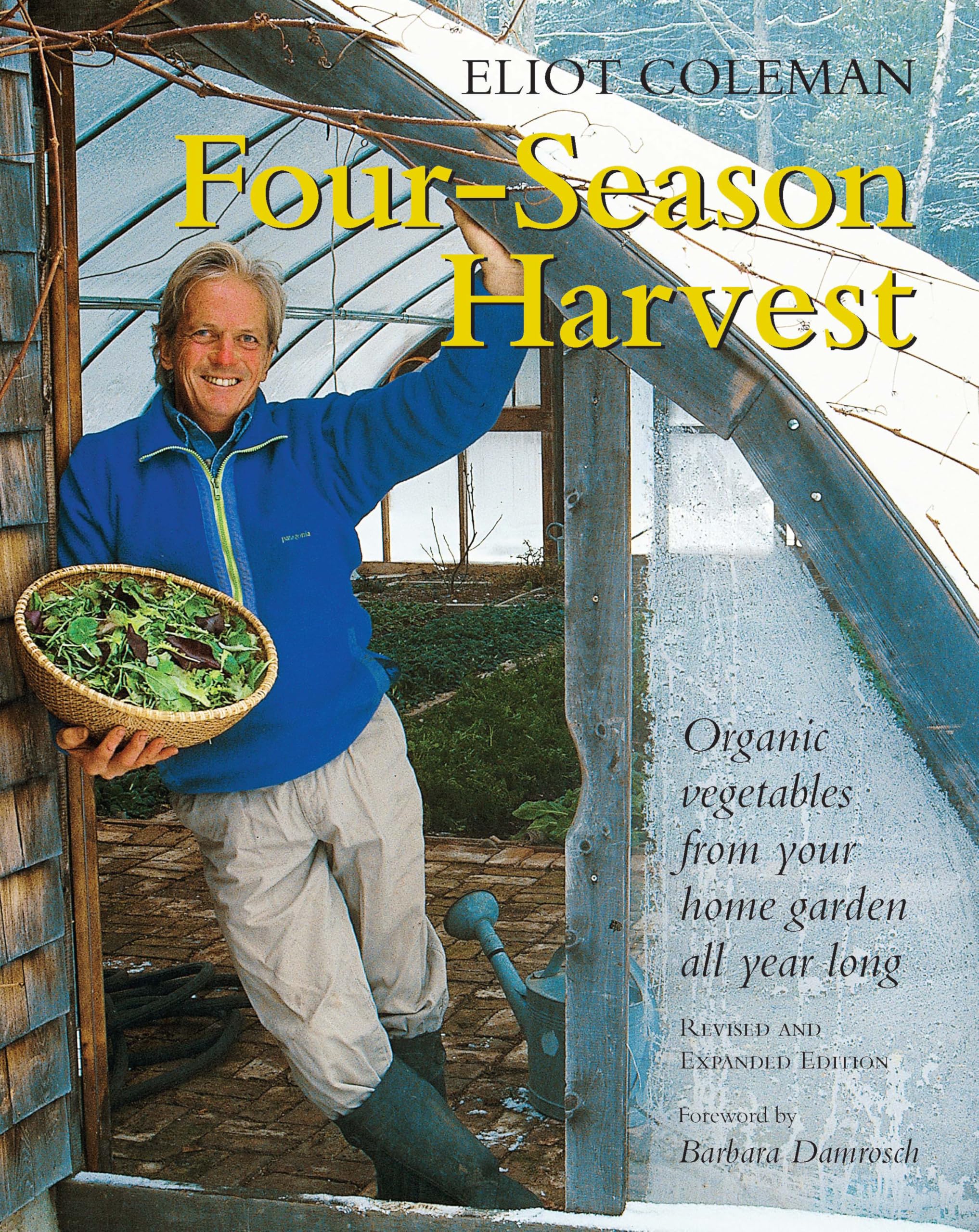
Anyone serious about organic gardening and wanting to grow food year-round at home should consider this book because it offers practical, straightforward advice.
Pros
- Useful techniques for extending the growing season
- Advice is clear and easy to follow
- Inspires confidence for growing vegetables all year
Cons
- Not ideal for very small gardens or balconies
- Some personal stories may distract from the main points
- Seasonal advice may feel repetitive in some chapters
When we tried the tips in Four-Season Harvest, we found the recommendations practical and realistic. The instructions for simple structures like cold frames and row covers made it much easier for us to keep our plants alive in colder months. Throughout the book, we noticed that the author’s step-by-step style really helps beginners feel comfortable getting started.
Some information is clearly aimed at those with medium to larger backyard spaces rather than tiny urban gardens or containers. If you only have a small patio, not every tip will apply, but there’s still plenty of general knowledge about soil and planting that works for anyone. The conversational style is warm, but at times, it does drift into personal stories that might not interest every reader.
Overall, we feel Four-Season Harvest has been a valuable addition to our gardening collection. The focus on organic methods and year-round growing gave us the confidence to try winter gardening for the first time. For anyone wanting to stretch their harvest further into fall or spring, this book delivers reliable guidance.
Gardening with Conifers
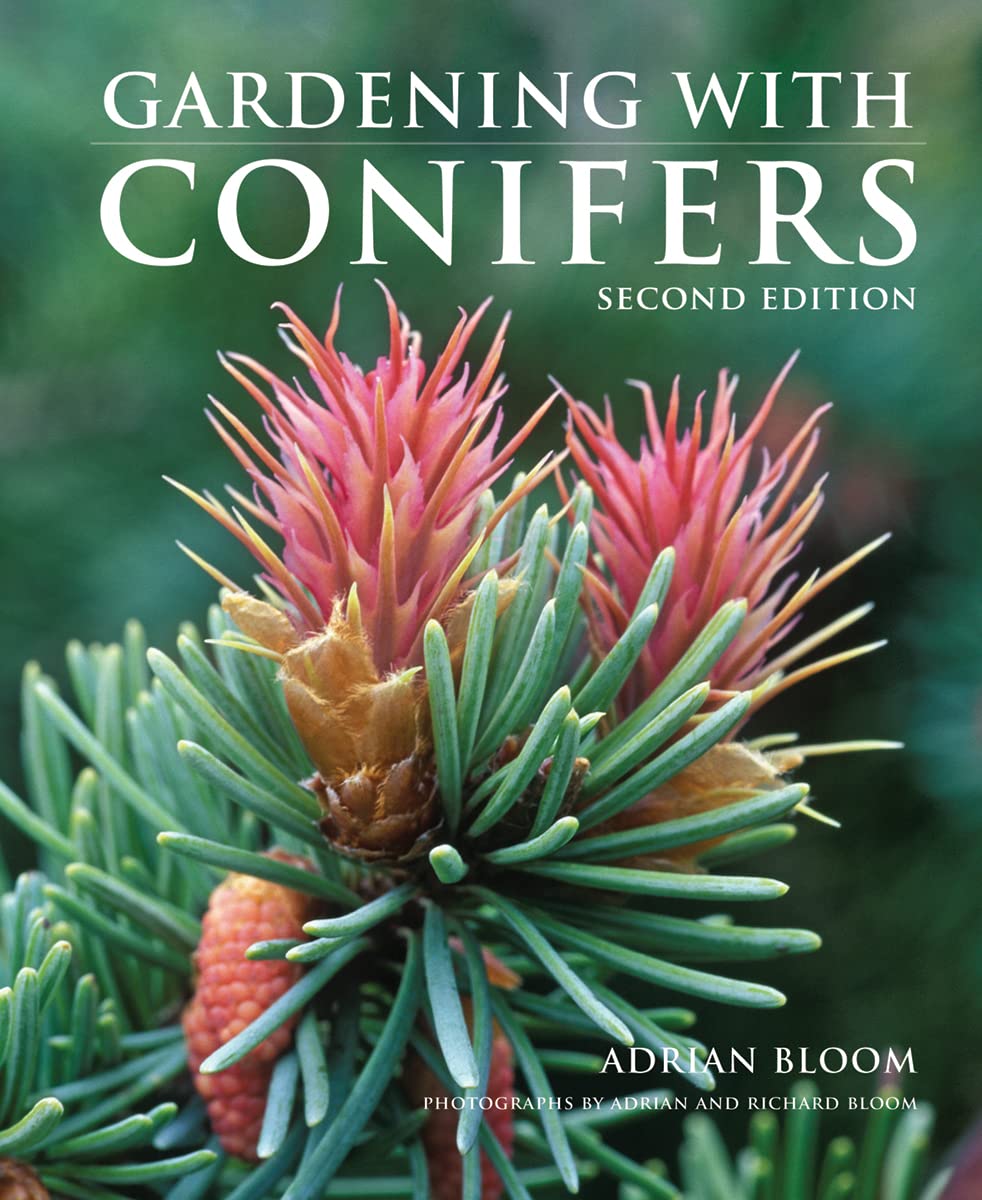
Anyone interested in using conifers to create variety and interest in their yard will find a lot of useful information in this book.
Pros
- Wide range of design ideas and practical ways to use conifers
- High-quality photos showing conifers in different seasons and settings
- Tips for both beginners and more advanced gardeners
Cons
- Focus on conifers means less information about other plant types
- Some advice may be more specific to certain climates
- Book size makes it less portable
Exploring “Gardening with Conifers” gave us a fresh outlook on how to use evergreens for year-round color and interest. The book’s detailed photos really helped us see what is possible, from privacy screens to creative borders. It was easy to compare different types and decide what would fit into our space.
We appreciate how the author combines basic advice with advanced tips for shaping, planting, and caring for conifers. Having step-by-step suggestions made it simple to get started, even when we felt uncertain about which varieties to pick or where to place them. We noticed that some of the growing tips may work better in mild climates, but there’s enough general guidance for most regions.
Overall, this book is a valuable guide if we want to brings structure and greenery to the garden all year. We saw new design ideas and got clear answers to questions about caring for conifers. Anyone looking to add variety to their outdoor space should consider giving Gardening with Conifers a try.
Buying Guide
When picking out gardening books, we should think about what topics we want to learn. Some books are best for beginners, while others have advanced tips or focus on certain plants.
We need to look at the layout and pictures. Books with clear photos, drawings, and simple instructions help us understand tasks better.
Format matters, too. If we like reading outside, a sturdy cover is useful. E-books are good if we want to save space or read on the go.
It’s helpful to check if the book has the following features:
| Feature | Benefit |
|---|---|
| Step-by-step guides | Easy to follow, great for beginners |
| Plant identification | Helps us choose and care for plants |
| Seasonal advice | Prepares us for year-round gardening |
| Problem-solving tips | Solutions for common garden issues |
We should also look at the length and writing style. Short, easy-to-read chapters suit learners of all levels.
Our climate and location matter. Some books focus on tropical, dry, or cold zones, so we should match the guide to our local area.
If the book comes with a glossary or index, it helps us find answers quickly. This is useful when we need advice fast during gardening.
Lastly, reading reviews and asking for recommendations can guide us toward reliable and helpful gardening books. We can learn from what worked for other gardeners.
Frequently Asked Questions
We often look for helpful book recommendations and answers when starting or expanding our gardening knowledge. Our team gathered useful information to help with choosing the right gardening books for many interests and skill levels.
What are the top introductory books for new gardeners?
We suggest “The Garden Primer” by Barbara Damrosch for easy-to-follow advice. “Raised Bed Gardening for Beginners” by Tammy Wylie covers the basics well.
“Vegetable Gardening for Beginners” by Jill McSheehy is another helpful book focused on simple steps and clear instructions.
Which gardening books are considered classics by experts?
We find “The Well-Tempered Garden” by Christopher Lloyd and “All New Square Foot Gardening” by Mel Bartholomew often called classics.
“The Flower Gardener’s Bible” by Lewis and Nancy Hill is also highly respected by many expert gardeners.
How can beginners learn about vegetable gardening from books?
We recommend starting with “Vegetable Gardening for Beginners” by Jill McSheehy for step-by-step guides.
“Grow Great Grub” by Gayla Trail uses simple language to make vegetable gardening easy to understand.
Can you recommend some inspirational books for seasoned gardeners seeking new ideas?
We like “The Garden Awakening” by Mary Reynolds for fresh design ideas.
“Inspired by Nature” by Noël Kingsbury explores gardens from around the world and gives experienced gardeners creative insight.
Where can I find highly rated gardening books from recent years?
We check online bookstores like Amazon and Goodreads for the latest reviews and top lists.
Major gardening magazines, such as “Gardens Illustrated” and “Fine Gardening,” also recommend newer books each year.
What are the essential reads for those interested in flower gardening?
We suggest “The Flower Gardener’s Bible” by Lewis and Nancy Hill for clear flower care guidance.
“Floret Farm’s Cut Flower Garden” by Erin Benzakein shares useful growing information and practical tips for cultivating flowers.
Want to Grow Fresh Food at Home?
Grab the Beginner’s Guide to Thriving Gardens—your step-by-step plan to grow real food in any backyard, patio, or balcony. Perfect for first-time gardeners!
Buy the Ebook for $14Includes 7 free bonus guides • Instant download • Beginner-friendly
