Best Cold Frames for Early and Late-Season Gardening: Top Picks for Extended Growing
This post may contain affiliate links. If you purchase through them, I may earn a small commission at no extra cost to you. As an Amazon Associate, I earn from qualifying purchases.
Growing plants in early spring or late fall can be a challenge when the weather is cold. Cold frames offer a simple way to protect young seedlings and extend the growing season. These handy structures trap warmth from the sun and shelter plants from wind, frost, and sudden temperature changes.
5 Quick-Start Garden Plans for Growing Fresh Food at Home (Free PDF)
Get beginner-friendly raised bed garden layout plans, simple container garden ideas, and a flexible salad garden plan you can put to work right away. Perfect for small spaces, patios, and first-season growers.
Instant email delivery • Unsubscribe anytime
Cold frames come in different shapes and sizes, from small, portable boxes to larger, permanent setups. Most are made from materials like wood, plastic, or metal with clear tops made of glass or polycarbonate. The type and thickness of the material, how easy the lid is to open, and the size all impact how well a cold frame works for different gardens.
When choosing a cold frame, we look at insulation, durability, and how easy it is to use. Size matters too—some gardeners want a big unit for rows of greens, while others need just enough space for a few trays of seedlings. We spent hours comparing different models to find the best cold frames for early and late-season gardening.
Want to Grow Fresh Food at Home?
Grab the Beginner’s Guide to Thriving Gardens—your step-by-step plan to grow real food in any backyard, patio, or balcony. Perfect for first-time gardeners!
Buy the Ebook for $14Includes 7 free bonus guides • Instant download • Beginner-friendly
Best Cold Frames for Early and Late-Season Gardening
We’ve reviewed and selected the top cold frames to help extend our gardening seasons. These picks can protect young plants from frost and create the right environment for healthy growth. Let’s look at the best options for early and late-season gardening.
VegTrug Cold Frame

The VegTrug Cold Frame is best for us if we value simple setup and lightweight design, but durability for harsh sun and heavy use may be a concern.
Pros
- Goes together quickly with clear instructions
- Light and easy to move around the garden
- Lid props open for good airflow and quick access
Cons
- Polycarbonate panels are not strong in hot, sunny climates
- Feels a bit flimsy compared to all-wood or glass options
- May arrive with some minor shipping damage
We find the VegTrug Cold Frame easy to assemble, especially when watching the linked video. The lid moves smoothly, and propping it open is simple, letting us check on seedlings or add water without hassle. Its lightweight build makes it effortless to shift around the patio or set on different beds.
The wood looks attractive in our garden, and using recycled materials is a nice benefit. This frame holds in warmth on cold spring and fall days, helping our young plants get a head start before the weather warms. We use it mostly for leafy greens and small veggies, and they seem to thrive inside the frame.
However, we notice the polycarbonate panels are pretty light, and long exposure to strong sun leaves them feeling brittle. After one season in bright California weather, the panels start showing signs of wear. For gardeners in mild climates, it’s likely to last longer, but in harsher sun, we might need to cover it or reinforce the panel material. Despite a few drawbacks, the VegTrug Cold Frame is a solid pick if we’re looking for something fast to install for early greens and don’t need a heavy-duty solution.
MCombo Wooden Cold Frame Greenhouse

This cold frame offers a decent starter option for gardeners who want an affordable way to extend their growing season with some compromises in durability.
Pros
Want to Grow Fresh Food at Home?
Grab the Beginner’s Guide to Thriving Gardens—your step-by-step plan to grow real food in any backyard, patio, or balcony. Perfect for first-time gardeners!
Buy the Ebook for $14Includes 7 free bonus guides • Instant download • Beginner-friendly
- Assembly is straightforward, especially with clear instructions.
- Adjustable shelves let us organize plants of different heights.
- Light enough to move and position as needed.
Cons
- Not sturdy enough for harsh outdoor weather all year.
- Fir wood may show signs of wear or mold if exposed to a lot of rain.
- Some screw holes are missing, so having a drill helps.
When we set up the MCombo Wooden Cold Frame Greenhouse, the first thing we noticed was how manageable the assembly process was. The parts are labeled and the instructions are easy to follow. We found that having a second person makes it go even quicker, especially since some holes aren’t predrilled.
Using it, we appreciated the flexibility of the adjustable shelves. We were able to set different heights, which was helpful since we had seedlings and mature plants to fit inside. The polycarbonate panels let in good light and seem to hold in warmth fairly well, which is great for early spring or late fall gardening.
While the structure is lightweight and easy to move, it doesn’t feel sturdy enough to leave out during strong storms or very wet weather for months at a time. The fir wood also seems like it could be prone to molding if it stays damp. Overall, this is better suited for mild conditions or covered patios, but it does its job for protecting plants during chilly nights and cooler days.
MCombo Wooden Cold Frame Planter

This cold frame is a sensible choice for anyone who wants an affordable and practical way to protect new plants in early spring and late fall.
Pros
- The fir wood frame feels solid and looks great in the garden.
- Good ventilation options with an openable roof.
- Offers decent insulation for delicate plants.
Cons
- Some assembly holes may not line up, making it harder to build.
- Lightweight design can make it unstable in strong wind unless anchored.
- Polycarbonate panels may discolor over time.
We found the MCombo Wooden Cold Frame Planter to be a nice fit for small spaces and beginner gardeners. Its two handy shelves hold several trays, and the clear panels give seedlings plenty of sunlight. We like how the design allows for good drainage and air flow, which helps prevent issues like mold.
Putting it together took some time, mostly because certain screw holes didn’t match up very well. It’s best to have someone help, especially with bigger panels. We added a few bricks at the base for weight, as it felt pretty light.
We liked the way our herbs and small plants thrived inside, and the cold frame does a good job keeping the temperature steady in sudden weather changes. Over the months, we noticed the panels begin to look a bit yellow, but this didn’t affect the function much. For gardeners who want an easy starter greenhouse, this cold frame offers a good balance of quality and price.
Giantex Wooden Cold Frame Greenhouse
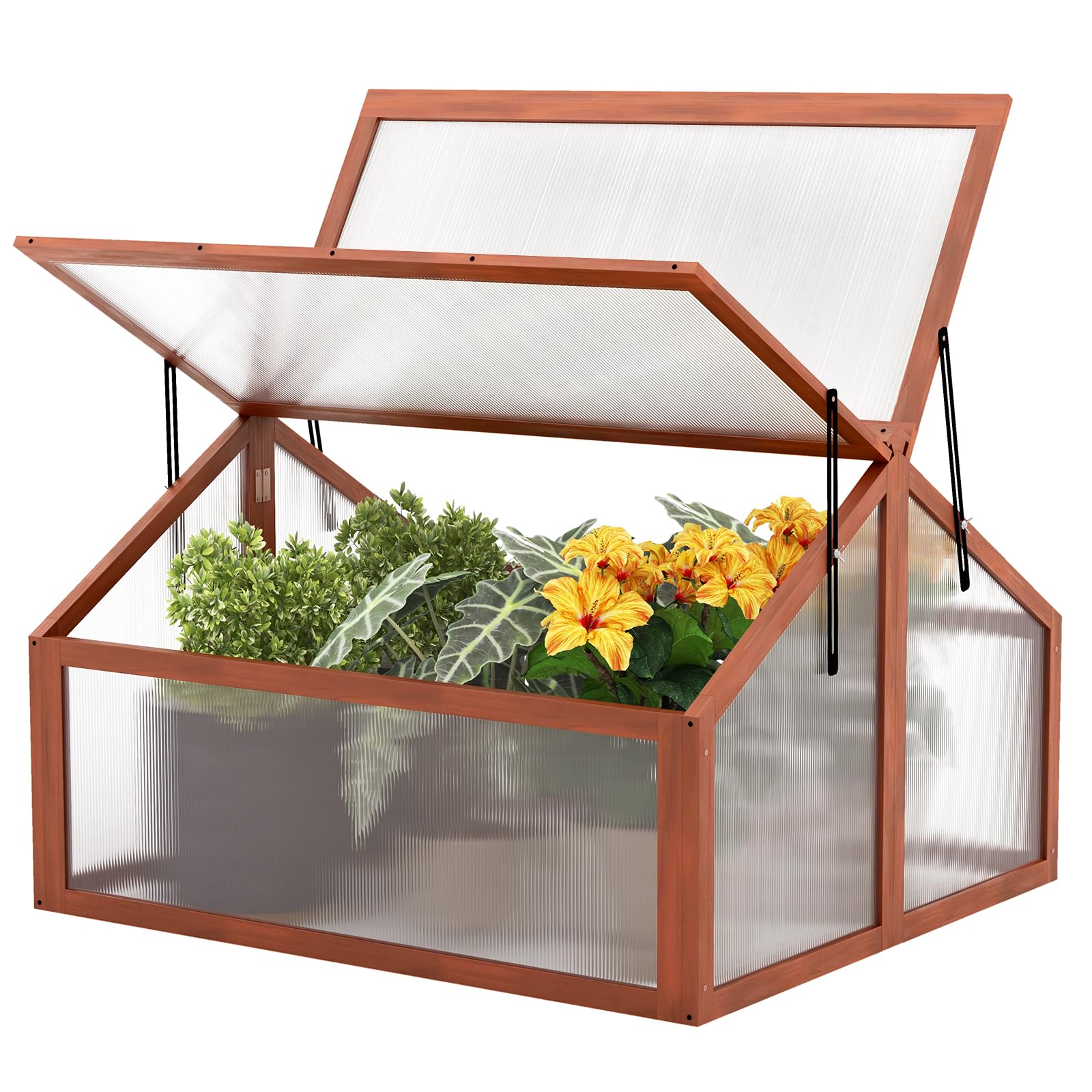
If we want a simple, portable cold frame with good space for seedlings and easy setup, this Giantex model is a strong choice.
Pros
- Folds open or closed easily for weather control
- Roomy interior for lots of plants
- Straightforward to put together and move
Cons
Want to Grow Fresh Food at Home?
Grab the Beginner’s Guide to Thriving Gardens—your step-by-step plan to grow real food in any backyard, patio, or balcony. Perfect for first-time gardeners!
Buy the Ebook for $14Includes 7 free bonus guides • Instant download • Beginner-friendly
- Wood feels a bit delicate and may need extra care
- Some parts required extra attention during assembly
- Hinges could be sturdier for long term use
We found the foldable top very useful, letting us control when plants get sunlight or protection from rain. The design looks nice and fits well into different spots like patios or garden corners. Setting it up was pretty easy and only took a short amount of time.
Moving this cold frame is low effort since it’s not too bulky or heavy. While we liked how sturdy the wooden frame feels after putting it together, it’s important to handle the wood gently—especially in wet conditions. Oiling or sealing the wood once in a while might help the frame last longer.
Overall, the Giantex Wooden Cold Frame Greenhouse suits us well for starting seeds early in the season and keeping plants sheltered when the weather gets unpredictable. If we pay attention during assembly and take care of the wood, it should last for several seasons of use.
Exaco Year Round Cold Frame
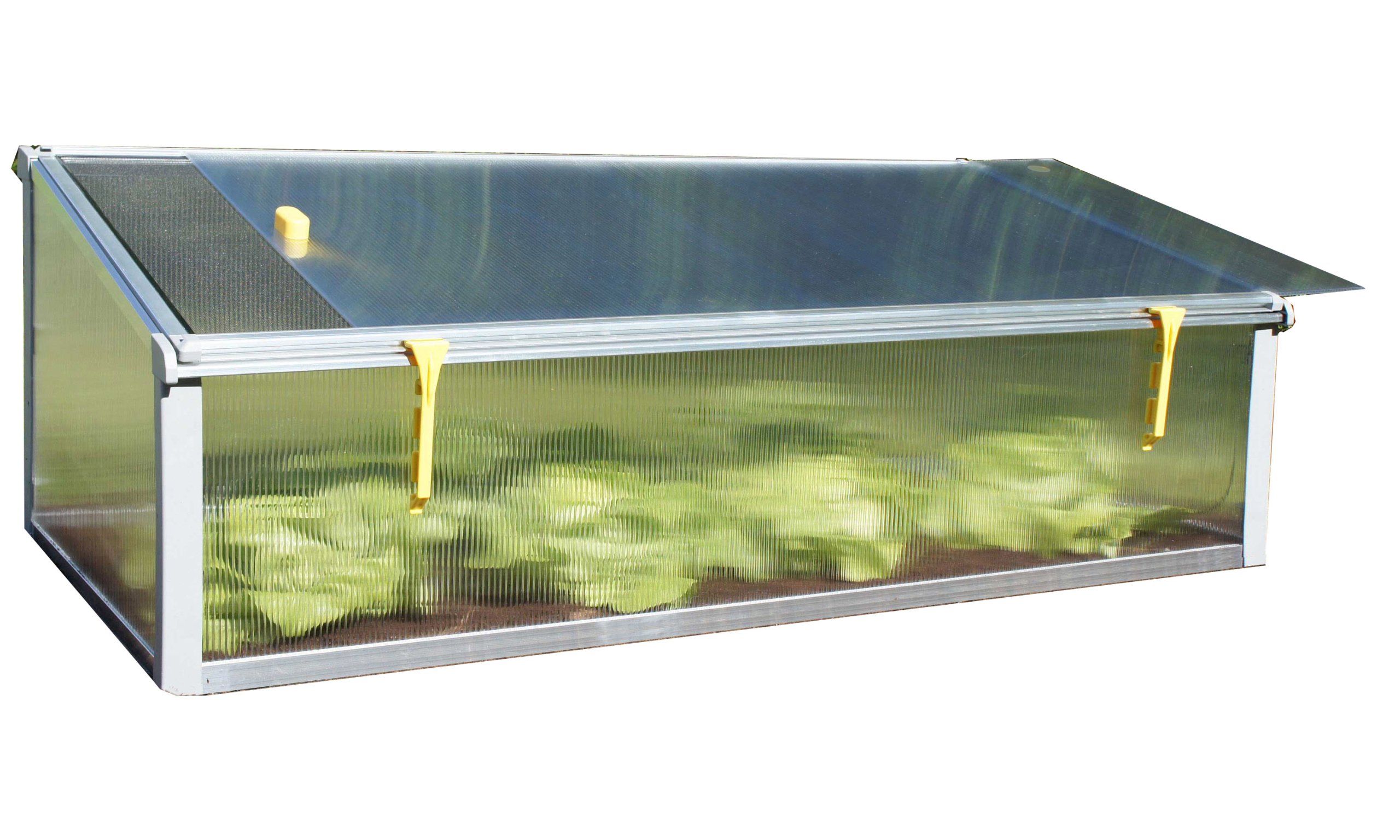
The Exaco Year Round Cold Frame works well for gardeners who want flexibility and extra protection in unpredictable weather, as long as they are willing to spend some effort on assembly.
Pros
- Lid and screen can be swapped for temperature control
- Strong performance against wind and hail
- Great for extending spring and fall seasons
Cons
- Assembly is confusing and takes patience
- Instructions are not very clear
- A bit expensive for the materials used
Right away, we noticed that the Exaco Year Round Cold Frame stands out because it comes with a twin-wall polycarbonate cover that slides out to reveal a fitted screen beneath. This unique feature allows us to keep plants safe from pests and rough weather, as well as let air in during warmer spells. The cold frame feels durable enough on our patio, and we were surprised to see how well it handled windy days.
Putting the unit together was a challenge. The instructions were hard to follow, and we had to rely on trial and error to get everything in place. Using a rubber mallet really helped, especially when seating the aluminum frame with the plastic panels. Once assembled, it did feel sturdy, and the stakes held it securely in the ground.
While the materials could be heavier for the price, we appreciate the value of time saved by not building our own frame from scratch. This cold frame is a nice option if you are looking for an attractive and functional way to protect plants early in the spring and late into the fall. It’s best suited for those who don’t mind taking some time to put it together and want a product that blends into their garden or patio.
Outsunny Cold Frame Raised Bed
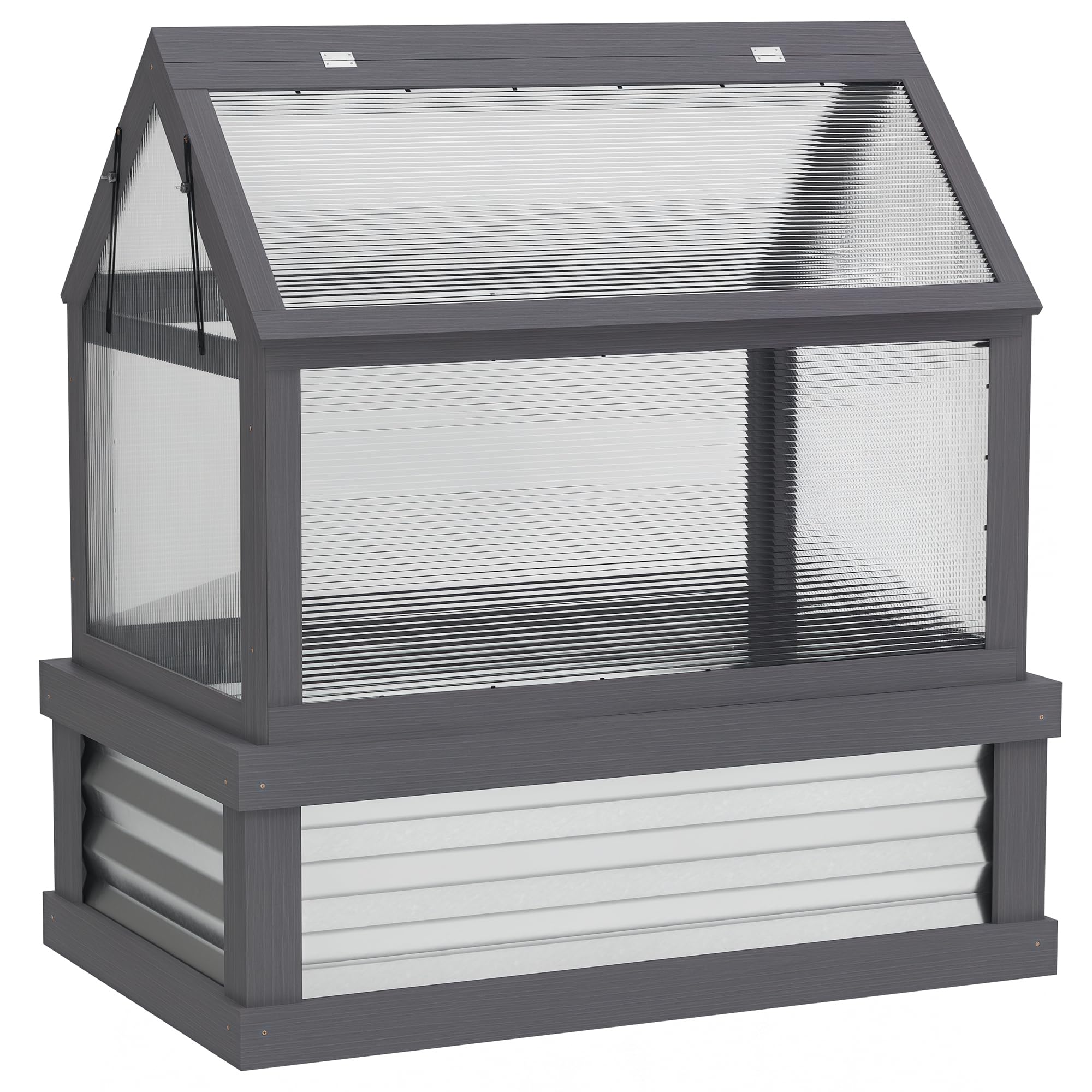
This cold frame is a practical choice for gardeners who want extra protection for plants during cold months without a lot of hassle.
Pros
- Keeps heat, light, and moisture steady for better growth
- Lightweight yet sturdy enough to handle wind and rain
- Roof can open for great access and better airflow
Cons
- Requires full assembly, which takes some time
- Planting area might be small for larger gardens
- Fir wood could need extra care over several seasons
We found the Outsunny Cold Frame Raised Bed easy to place in our garden, and the polycarbonate panels gave our vegetables and herbs a safe spot to grow out of the wind or sudden chills. The design kept rain from pooling, and we liked being able to raise the roof when the sun was out. Although it takes a little work to put together, the process is straightforward with clear instructions.
Using this cold frame, our leafy greens sprouted ahead of schedule and kept strong even during a brisk spring snap. We appreciated the compact size, which worked well for smaller spaces, patios, or as a starter greenhouse for seedlings. The mix of wood and metal felt solid but was light enough to shift around when needed.
One thing we noticed is that gardeners with many plants may want more room. Fir wood can weather over time, so we plan to treat it at the end of the season. For those new to cold frames or just wanting to extend their growing season, Outsunny Cold Frame Raised Bed balances protection, function, and value nicely.
Zenport Garden Cold Frame Greenhouse
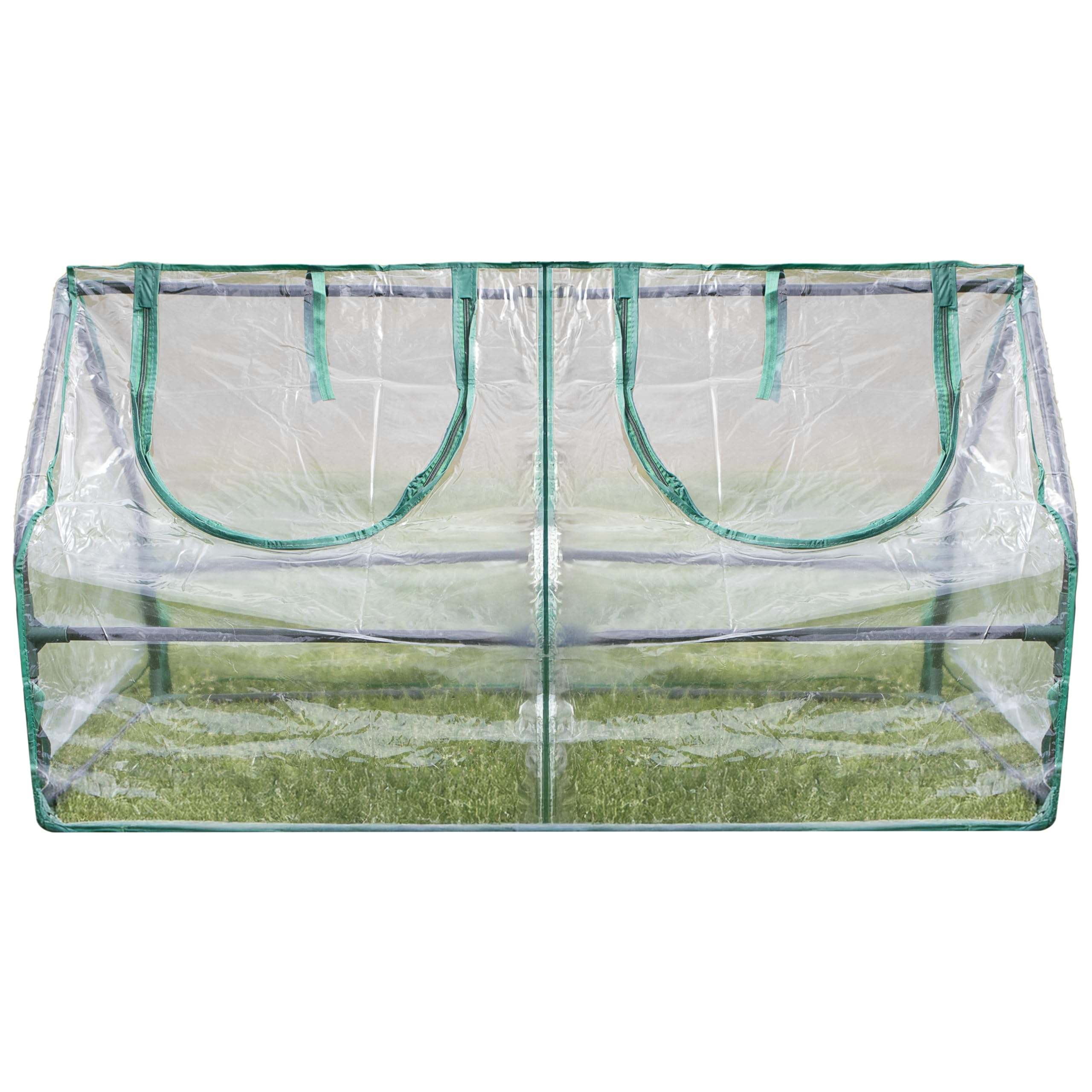
We recommend this cold frame to gardeners with limited space who want to protect plants during unpredictable spring or fall weather.
Pros
- Quick assembly makes set-up stress-free
- Fits well on patios, balconies, or raised beds
- Roll-up panel gives easy access and airflow control
Cons
- Plastic cover can tear if handled too roughly
- Frame feels a bit light in strong wind
- Ties at corners could be sturdier
With the Zenport Garden Cold Frame Greenhouse, we found it simple to create a warm, sheltered spot for early seedlings and late crops. Assembly only took a few minutes, and the instructions were clear. The size was just right for smaller spaces like apartment balconies or a corner of our backyard patio.
We liked the clear cover, which let in plenty of sunlight but kept out chilly winds and unexpected frost. Opening the zippered panel was handy when we needed to check on plants or let in some extra air. Humidity and temperature inside were easy to manage by rolling up the front.
If you want a lightweight, portable way to extend your growing season, this model is very practical. Still, it’s best used in calm spots—strong gusts or rough use can wear out the cover and frame over time. For the price and ease of use, we see it as a smart buy for small-scale gardeners looking for a little extra protection.
Outsunny Raised Garden Cold Frame
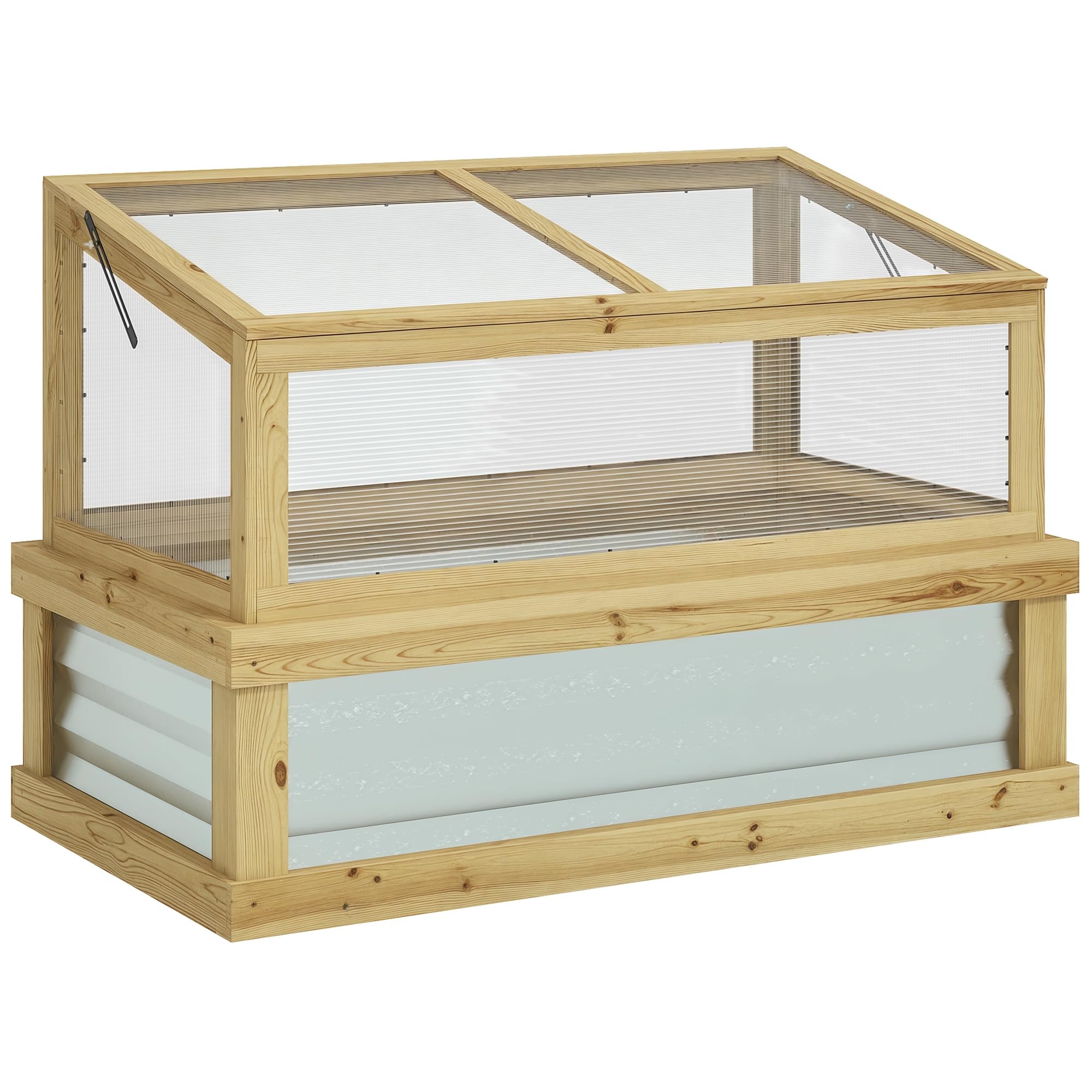
For gardeners who need a budget-friendly but basic cold frame, this one from Outsunny offers mixed results.
Pros
- Openable roof allows us to control air flow and makes it easy to reach plants
- Lightweight design lets us move it anywhere in the garden without struggle
- Lets in a lot of sunlight but shields plants from wind and some wildlife
Cons
- Assembly is challenging, especially with only pictures for instructions
- Very lightweight, so it needs to be staked down or it might blow away
- No bottom means some critters can get in, and we have to be careful with placement
Setting up this cold frame took us some extra time, mostly because the instructions were just pictures and not very clear. When we finally got it together, we noticed it’s very light and easy to move. That comes in handy if we want to shift the location or get plants more consistent sunlight.
We like that the roof opens up because it helps us control the humidity and heat inside, which is important in the early and late seasons. The polycarbonate panels do a decent job of keeping the plants safe from gusts of wind, heavy rain, and hungry animals. Our seedlings got plenty of sunlight while staying protected from harsh weather.
On the downside, we had to stake it to keep it from blowing around since the frame is so light. Not having a built-in bottom means we need to put it on level ground and keep an eye out for animals getting in. The build quality is about what we expect for the price, but the wood is soft and care is needed when tightening screws. For anyone wanting a simple, movable, and affordable cold frame, this Outsunny unit might work, but be ready for a tricky setup.
Zenport Garden Cold Frame & Raised Bed

The Zenport Garden Cold Frame is a practical choice for gardeners who want to extend their growing season without using up too much space.
Pros
- Quick and easy to set up, even with just one person
- Great for seedlings or smaller plants on patios and balconies
- Lets us control humidity and airflow with convenient roll-up sides
Cons
- Plastic cover is thin and may turn brittle after one season outside
- The frame feels a bit lightweight and does not always handle strong wind well
- Not big enough if we want to grow larger plants or a lot of vegetables
We found this cold frame especially useful for protecting young plants during chilly nights in spring and fall. The raised bed feature helps keep our soil warm and adds some extra protection from pests like squirrels. It’s also quite compact, which makes it a good option if we only have space on a balcony or small deck.
Putting it together was simple and fast. The parts fit together without much trouble, and the instructions were clear enough for us to finish in under half an hour. Access to plants is easy since both sides zip up for watering or picking herbs. Having two roll-up panels really helps with airflow and temperature on warm days.
On the downside, the plastic cover does not seem built to last more than a year when left in the sun. It also does not hold up as well in strong winds unless we anchor or weigh it down. We think this is a nice pick if we are looking for something simple for seed starting or growing lettuce, but it does have limits for size and long-term use.
Loibinfen Wooden Cold Frame Greenhouse

This is a lightweight greenhouse that works for basic cold protection, but it may not be the best for anyone who needs something really sturdy.
Pros
- Simple hinged lid makes it easy to access and water plants
- Good size for holding lots of soil, veggies, or flowers
- Natural wood design blends nicely in most gardens
Cons
- Not very strong and may feel flimsy
- Roof cannot handle heavy snow
- Assembly can be a bit tricky
The Loibinfen wooden cold frame seems convenient for covering early greens or herbs during chilly spring nights. We liked that it has a big growing space, so we could fit quite a few plants inside and still have room to move things around. The hinged lid is really handy when it’s time to water or adjust your plants.
One thing we noticed is the frame isn’t as sturdy as some other options we’ve tried, especially in windy spots. The polycarbonate panels are lightweight but don’t feel solid, and you shouldn’t expect it to hold up well if you get a lot of snow in your area. However, for regular frost and light chill, it should give your seedlings a fair shot at surviving the cold.
Overall, this cold frame is budget-friendly and good if you need a simple solution for mild climates. It’s easy to place in a backyard or along a patio, and the wood finish looks nice, but we’d look at heavier-duty choices if durability is a major concern.
Buying Guide
When choosing a cold frame for our garden, we should first consider the size. We need to measure our space and think about how many plants we want to protect.
Material is also important. Most frames use plastic, glass, or polycarbonate panels. Each material offers different levels of insulation and strength.
| Material | Pros | Cons |
|---|---|---|
| Glass | Clear, lasts long | Heavy, may break |
| Polycarbonate | Light, insulates well | Can yellow over time |
| Plastic | Cheap, lightweight | Less durable |
We should look for frames with easy-access lids. Hinged or sliding tops make it much simpler to water and harvest our plants.
Ventilation is another key feature. Adjustable vents or prop-up lids prevent overheating on sunny days.
It’s smart to check for good construction. Sturdy frames with tight seals keep the heat in and cold out better.
Let’s not forget about portability. Lightweight models are easier for us to move as needed.
If assembly seems difficult, we may want kits with simple instructions and fewer parts. That saves us time and trouble.
Checklist to consider:
- Does it fit our space?
- Can we assemble it easily?
- Is the material right for our climate?
- Does it have effective vents?
By focusing on these points, we can choose the cold frame that meets our needs for early and late-season gardening.
Frequently Asked Questions
We use cold frames to protect plants from wind, frost, and cold. Choosing the right materials and design helps us get the best results for our climate and skills.
How can I extend my growing season using a cold frame?
We can place a cold frame over garden beds to shield plants from frost in early spring and late fall. By opening the lid for airflow on warmer days and closing it at night, we manage temperature swings and provide a better environment for growing vegetables and flowers before or after the normal season.
What materials are best suited for constructing a durable DIY cold frame?
We find that using rot-resistant woods like cedar with clear polycarbonate or glass panels works well for long-lasting cold frames. These materials protect plants and hold up to weather over many seasons.
Are there specific cold frame designs recommended for gardening in Zone 5?
In Zone 5, we need extra insulation and a well-sealed lid. Sloped roofs built to face the sun help maximize light and warmth. A wooden or aluminum frame with double-wall panels gives better protection in colder regions like ours.
Which commercially available cold frame kits offer the best value for beginners?
For beginners, we recommend kits with simple assembly, clear instructions, and sturdy materials such as galvanized steel or UV-resistant polycarbonate. Popular options include the Gardman and Juwel cold frames, which balance price and durability for most home gardeners.
How can a Juwel cold frame benefit my early and late-season gardening efforts?
A Juwel cold frame often features strong, double-insulated panels and easy-to-use venting windows. We can rely on it for better frost protection and less daily maintenance compared to basic models. The durable build makes it a practical choice for both early start and late harvest.
What are the key considerations for successful seed starting in a cold frame garden box?
When starting seeds, we watch temperature and humidity closely to prevent overheating or damping off. We use well-draining soil and keep the frame tilted toward the sun for maximum light. Proper ventilation helps avoid fungus problems and encourages strong, healthy seedlings.
Want to Grow Fresh Food at Home?
Grab the Beginner’s Guide to Thriving Gardens—your step-by-step plan to grow real food in any backyard, patio, or balcony. Perfect for first-time gardeners!
Buy the Ebook for $14Includes 7 free bonus guides • Instant download • Beginner-friendly


