Best Bonsai Concave Cutters for Precision Pruning and Clean Cuts
This post may contain affiliate links. If you purchase through them, I may earn a small commission at no extra cost to you. As an Amazon Associate, I earn from qualifying purchases.
Bonsai trees require careful shaping to maintain their miniature form and balanced look. One of the most important tools for this work is the concave cutter. These cutters remove branches cleanly and help the tree heal with minimal scarring, which keeps the trunk and branches looking natural.
5 Quick-Start Garden Plans for Growing Fresh Food at Home (Free PDF)
Get beginner-friendly raised bed garden layout plans, simple container garden ideas, and a flexible salad garden plan you can put to work right away. Perfect for small spaces, patios, and first-season growers.
Instant email delivery • Unsubscribe anytime
Concave cutters come in different sizes and materials, such as carbon steel and stainless steel. The right choice depends on the size of the branches you trim, how often you prune, and how much maintenance you want to do on your tools. The most important thing to look for in a bonsai concave cutter is the quality of its blades and how precisely they cut. Sharp, durable blades make cleaner cuts and reduce the risk of damaging the tree.
We spent hours comparing and testing several bonsai concave cutters to find the ones that deliver clean cuts, feel comfortable in the hand, and last through years of use.
Want to Grow Fresh Food at Home?
Grab the Beginner’s Guide to Thriving Gardens—your step-by-step plan to grow real food in any backyard, patio, or balcony. Perfect for first-time gardeners!
Buy the Ebook for $14Includes 7 free bonus guides • Instant download • Beginner-friendly
Best Bonsai Concave Cutters
We reviewed top bonsai concave cutters to find the most reliable tools for clean, precise cuts. Our picks include options that balance sharpness, comfort, and durability to support healthy tree growth. Below is our list of the best bonsai concave cutters available.
Vouiu 8-Inch Bonsai Concave Cutter

This cutter is a solid pick for anyone who wants clean, precise cuts without spending too much.
Pros
- Sharp blades make smooth, even cuts
- Comfortable grip with good balance
- Strong stainless steel build resists rust
Cons
- Handles may feel long for smaller hands
- Needs regular cleaning to stay sharp
- Storage pouch could be sturdier
We used the Vouiu cutter on a few overgrown junipers and were impressed by how easily it sliced through thicker branches. The offset cutting edge helped us create neat, concave cuts that healed quickly. It felt balanced in hand, which made longer trimming sessions easier.
The stainless steel finish looked clean and didn’t show signs of wear after several uses. We appreciated that it didn’t gum up with sap like cheaper tools often do. The cutting motion stayed smooth and consistent.
While the long handles offered leverage, they might be awkward for users with smaller hands. The included storage bag works fine for keeping it clean, but it’s thin and not padded. Overall, we found the Vouiu 8-Inch Bonsai Concave Cutter a reliable, affordable tool for both beginners and experienced bonsai enthusiasts.
Haosie Bonsai Concave Cutter

We recommend this cutter for anyone who wants clean, precise cuts on bonsai branches without leaving visible scars.
Pros
Want to Grow Fresh Food at Home?
Grab the Beginner’s Guide to Thriving Gardens—your step-by-step plan to grow real food in any backyard, patio, or balcony. Perfect for first-time gardeners!
Buy the Ebook for $14Includes 7 free bonus guides • Instant download • Beginner-friendly
- Cuts cleanly with sharp, durable blades
- Comfortable handle reduces hand strain
- Feels sturdy and well-balanced
Cons
- Slightly stiff hinge at first use
- May be too large for very small bonsai work
- Requires drying after use to avoid rust
When we used the Haosie bonsai cutter, the first thing we noticed was its solid build. The manganese steel blades sliced through small branches easily, leaving smooth cuts that healed neatly. It felt reliable and sharp without needing much pressure.
The handles fit our hands well and stayed comfortable during longer trimming sessions. Even after several cuts, our grip didn’t slip, and we didn’t feel fatigue. The hinge was a bit stiff at first, but it loosened up after a few uses.
We also liked how the rounded blade edges reduced damage to the bark. It gave us control when shaping delicate areas. After using it on both soft and hardwood branches, we found it consistent and accurate. For its price, it performs like a higher-end tool and seems built to last with simple care.
Wazakura Hand Forged Bonsai Concave Cutter

This Japanese-made cutter is a solid choice for anyone who wants clean, precise cuts and long-lasting craftsmanship.
Pros
- Sharp blades make smooth, close cuts
- Feels sturdy and balanced in hand
- Traditional hand-forged build adds durability
Cons
- Can rust if not dried and oiled
- Slightly stiff hinge at first
- Pricier than basic cutters
We noticed right away how sharp and precise the blades felt. The concave shape helped us trim branches close to the trunk without leaving rough edges. Each cut felt controlled, and the tool handled both small and thicker branches easily.
The carbon steel build gives it a weight that feels dependable. It’s not heavy, but it feels solid enough to stay steady during use. We wiped it down after each session and added a bit of oil to keep rust away, which is important with carbon steel tools.
The packaging stood out too. It arrived in a simple black box with a gold logo, which made it feel like a gift-worthy item. While the price is higher than entry-level cutters, the quality and craftsmanship justify it for anyone serious about bonsai care.
Jevie 8-Inch Stainless Steel Concave Cutter
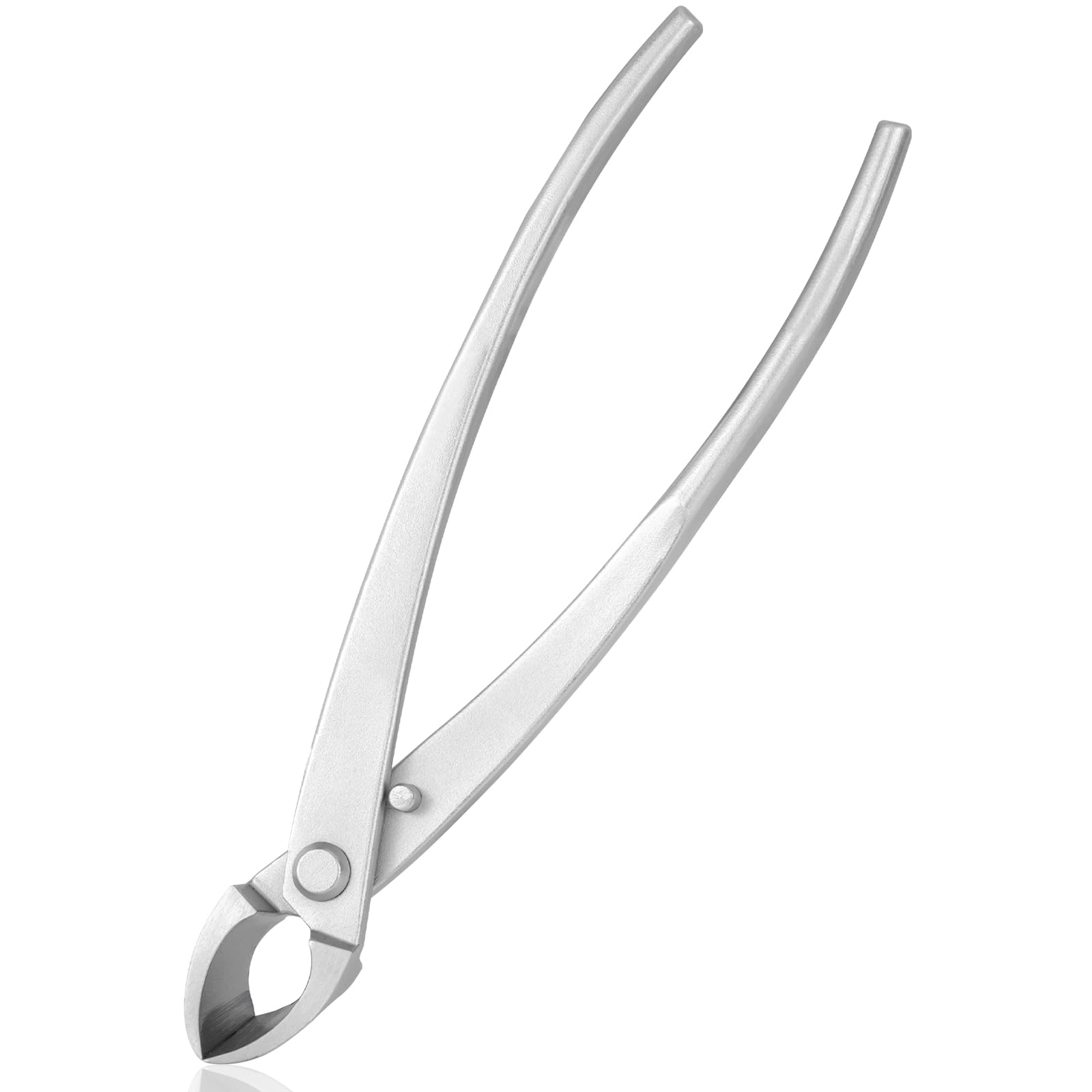
A solid choice for anyone who wants a reliable, sharp, and easy-to-handle bonsai cutter that feels built to last.
Pros
- Creates clean, precise cuts close to the trunk
- Feels sturdy and balanced in the hand
- Comfortable rubber grip prevents slipping
Cons
Want to Grow Fresh Food at Home?
Grab the Beginner’s Guide to Thriving Gardens—your step-by-step plan to grow real food in any backyard, patio, or balcony. Perfect for first-time gardeners!
Buy the Ebook for $14Includes 7 free bonus guides • Instant download • Beginner-friendly
- Slightly higher price than some basic models
- Finish could be smoother in a few spots
- Not ideal for very thick branches
We recently used this Jevie cutter while shaping a small juniper bonsai, and it handled the job with ease. The stainless steel blades cut cleanly without crushing the wood, which helps the tree heal faster. The concave design made it easy to reach tight spots near the trunk.
The handle feels secure even when our hands got damp, and the weight gives it a professional feel without being tiring to use. It’s clear the tool was made with attention to balance and grip comfort.
While it’s not the cheapest option, the cutting performance and durability make it worth the investment for regular bonsai care. For us, the Jevie 8-Inch Concave Cutter stands out as a dependable tool that delivers consistent, clean results.
Vouiu 4-Piece Bonsai Tool Set

We recommend this set for anyone who wants reliable, sharp tools for shaping and maintaining bonsai trees at home.
Pros
- Clean, precise cuts that heal smoothly
- Durable stainless steel holds up well over time
- Includes four essential tools for varied bonsai work
Cons
- Handles feel slightly stiff at first use
- Tools may need occasional sharpening with heavy use
- Storage case not included
We recently used this Vouiu set while trimming a small juniper, and the concave cutter made smooth cuts that healed neatly. The stainless steel blades felt sturdy and sharp, giving us good control even on thicker branches. Each tool fit comfortably in the hand after a few minutes of use.
The knob cutter worked well for removing small growths without leaving rough edges. We appreciated how easily the resin sealed over the cuts afterward. The trunk splitter also made bending branches less stressful on the wood, which helped shape the tree more naturally.
Although the tools don’t come with a case, they’re easy to clean and store in a small toolbox. Overall, this set feels like a practical choice for beginners and experienced bonsai hobbyists who want solid tools without paying premium prices.
Buying Guide
When we choose bonsai concave cutters, we focus on precision, durability, and comfort. These tools must make clean cuts that heal smoothly, helping the tree maintain its natural shape.
We should look for cutters made from high-quality steel. Carbon steel stays sharp longer, while stainless steel resists rust. The right material depends on how often we use the tool and how much maintenance we want to do.
The size of the cutter matters. Smaller cutters work best for fine branches, while larger ones handle thicker wood. Using the correct size helps us avoid damaging the tree or straining our hands.
Handle design affects comfort. We should test how the handles fit in our grip and whether they allow steady control. A balanced tool reduces fatigue during long pruning sessions.
| Feature | What to Look For | Why It Matters |
|---|---|---|
| Material | Carbon or stainless steel | Affects sharpness and rust resistance |
| Size | 6–8 inches for most tasks | Matches branch thickness |
| Cut Type | Clean, concave cut | Promotes smooth healing |
| Handle Shape | Ergonomic, balanced | Improves comfort and control |
| Maintenance | Easy to clean and oil | Extends tool life |
We should also consider price and maintenance needs. A higher-quality cutter may cost more but often lasts longer if we care for it properly.
Frequently Asked Questions
We focus on how to choose, use, and maintain bonsai concave cutters for precise pruning. We also cover trusted brands, tool differences, and where to buy professional and beginner-friendly options.
What are the key features to look for in high-quality bonsai concave cutters?
We look for sharp, high-carbon steel blades that make clean cuts without crushing wood fibers. The joint alignment should be smooth and tight for even pressure. Comfortable ergonomic handles reduce hand strain during long trimming sessions. A rust-resistant finish helps extend the tool’s life.
How do knob cutters differ from concave cutters in bonsai shaping?
Knob cutters have rounded jaws designed to remove trunk knobs and roots cleanly, leaving a hollow wound that heals evenly. Concave cutters, on the other hand, make a slightly indented cut along branches to promote faster healing and smoother scars. Each tool serves a distinct purpose in shaping bonsai.
What are the best concave cutter brands recommended by experienced bonsai enthusiasts?
We often see Kikuwa, Kaneshin, and Ryuga praised for precision and durability. Masakuni is another respected Japanese brand known for professional-grade craftsmanship. These brands maintain sharpness well and offer a range of cutter sizes for different tree species.
Can you recommend concave cutters suitable for beginners in bonsai care?
Beginners benefit from mid-priced carbon steel cutters that balance quality and cost. Brands like Ryuga and Tinyroots offer reliable options that stay sharp with basic care. We suggest starting with a 7-inch cutter, which provides good control for small and medium branches.
Where can I find professional-grade bonsai concave cutters for sale?
We can find premium cutters from specialty bonsai retailers and online stores like Bonsai Outlet, Stone Lantern, and Amazon. Buying from reputable sellers ensures genuine tools and access to replacement parts. Some Japanese toolmakers also sell directly through verified distributors.
How do I properly maintain and sharpen bonsai concave cutters?
We clean cutters after each use with rubbing alcohol to remove sap and prevent rust. Applying a light coat of oil keeps the joints smooth. For sharpening, we use a fine-grit whetstone or diamond file, maintaining the original bevel angle. Regular care helps preserve cutting performance and tool longevity.
Want to Grow Fresh Food at Home?
Grab the Beginner’s Guide to Thriving Gardens—your step-by-step plan to grow real food in any backyard, patio, or balcony. Perfect for first-time gardeners!
Buy the Ebook for $14Includes 7 free bonus guides • Instant download • Beginner-friendly
