Aeroponic Growth System: Aeroponic Tower Garden Benefits and Uses
This post may contain affiliate links. If you purchase through them, I may earn a small commission at no extra cost to you. As an Amazon Associate, I earn from qualifying purchases.
Growing plants without soil has become more popular as people look for efficient and space-saving ways to garden. Aeroponic systems use a mist to deliver water and nutrients directly to plant roots, which can speed up growth and reduce the need for large amounts of water or land. Tower gardens are a type of aeroponic system that stack plants vertically, making them a good option for small spaces like patios, balconies, or even indoors.
5 Quick-Start Garden Plans for Growing Fresh Food at Home (Free PDF)
Get beginner-friendly raised bed garden layout plans, simple container garden ideas, and a flexible salad garden plan you can put to work right away. Perfect for small spaces, patios, and first-season growers.
Instant email delivery • Unsubscribe anytime
When choosing an aeroponic tower garden, it’s important to pay attention to the size of the system, the quality of the pump and nozzles, and the type of materials used. These factors affect how many plants you can grow, how often you’ll need to maintain the system, and how long it will last. The most important thing to check is whether the tower garden is built with durable, food-safe materials that can handle constant water and nutrient exposure.
Aeroponic tower gardens can be a practical way to grow fresh produce at home with limited space and resources. We researched and compared several options to find the ones that are easiest to set up, maintain, and grow with.
Want to Grow Fresh Food at Home?
Grab the Beginner’s Guide to Thriving Gardens—your step-by-step plan to grow real food in any backyard, patio, or balcony. Perfect for first-time gardeners!
Buy the Ebook for $14Includes 7 free bonus guides • Instant download • Beginner-friendly
Best Aeroponic Tower Gardens
We reviewed the top aeroponic tower gardens to help make indoor and outdoor growing easier. Our list highlights reliable systems that support healthy plant growth with minimal space and effort.
ALTO Garden Tower
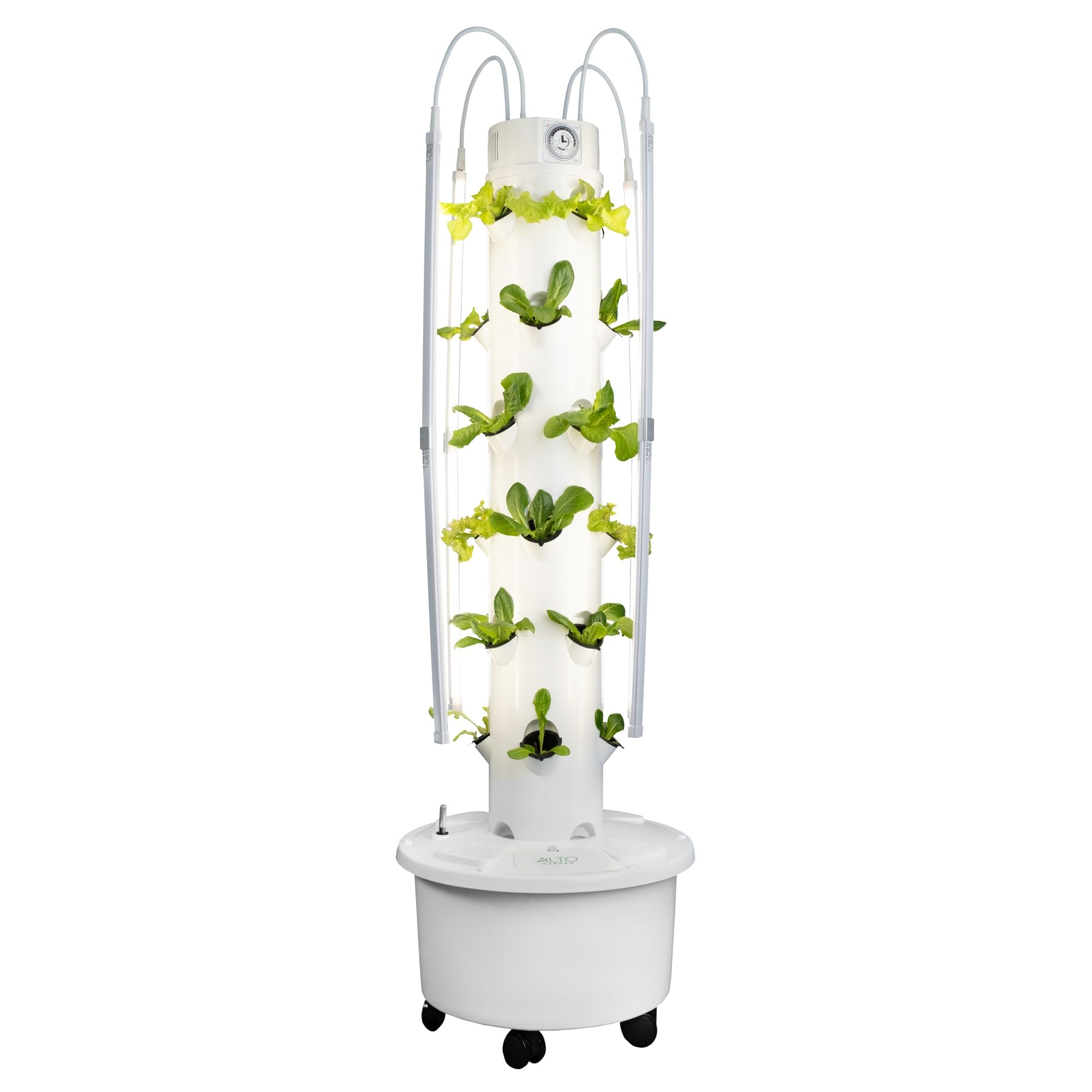
This system makes sense for anyone who wants to grow food at home without the hassle of soil or subscriptions.
Pros
- Thick, sturdy build that feels durable
- No ongoing fees or hidden costs
- Compact design that grows a lot in little space
Cons
- Assembly takes some patience
- Lights and timers need a short learning curve
- Heavy once filled with water, not easy to move often
We set up the ALTO Garden Tower in our kitchen, and the first thing we noticed was how solid it felt. The tower walls are thick, and the pieces lock together tightly. Once the water reservoir was filled, the unit stayed stable, even on tile flooring.
The growing process felt straightforward. We liked that the LED lights and water pump had built-in timers, though it took a little time to figure out how to set them. After a few days, the seedlings adjusted, and growth picked up quickly.
We also appreciated that this system doesn’t lock us into any monthly plan. Everything we needed to start was in the box, except for seeds and water. The size worked well indoors, and it didn’t take up much room. For us, the biggest challenge was moving it once it was full, so we recommend setting it in the right spot from the start.
TIRUSS Vertical Hydroponic Grow Tower
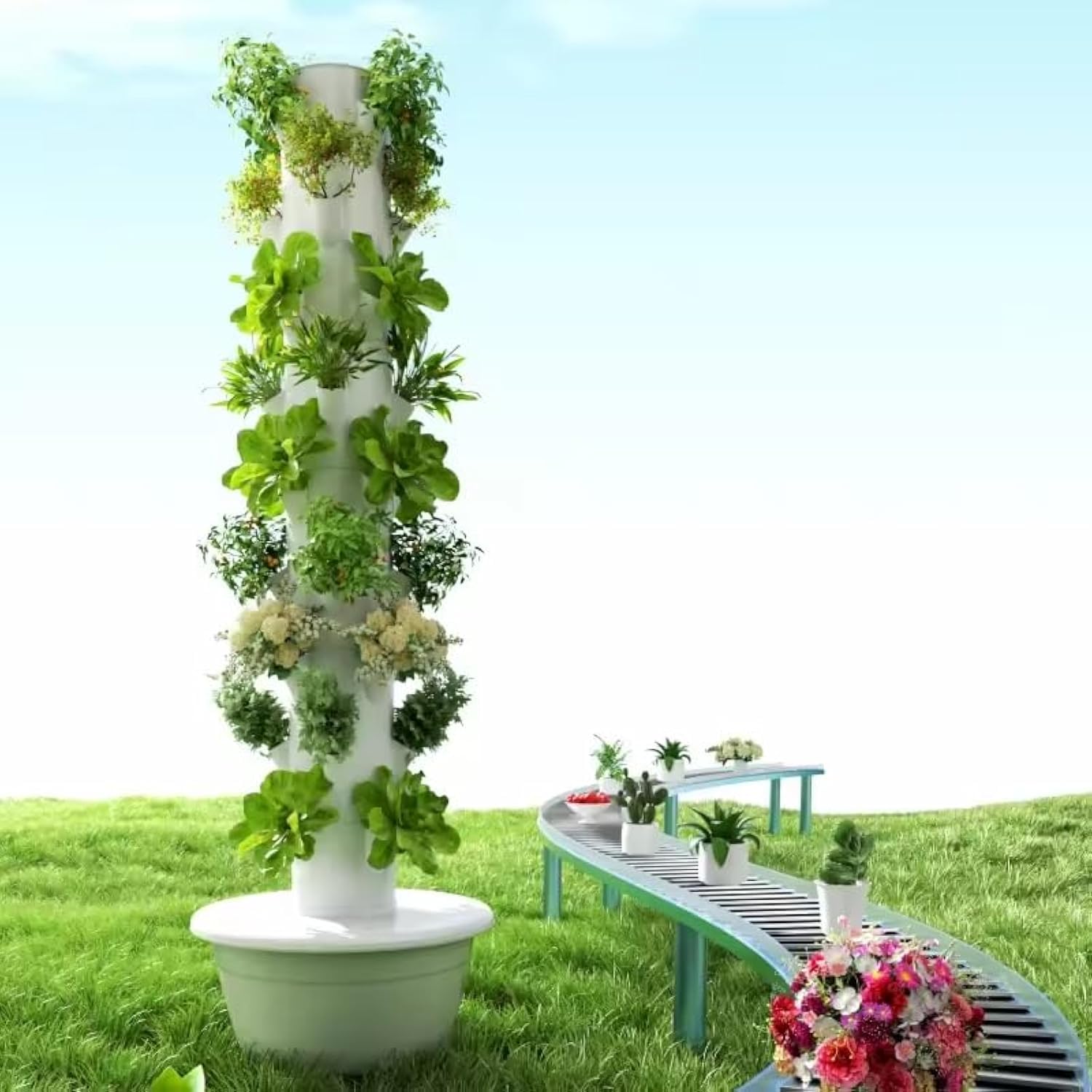
We think this tower is a solid choice for anyone who wants to grow a lot of plants in a small space without much hassle.
Pros
Want to Grow Fresh Food at Home?
Grab the Beginner’s Guide to Thriving Gardens—your step-by-step plan to grow real food in any backyard, patio, or balcony. Perfect for first-time gardeners!
Buy the Ebook for $14Includes 7 free bonus guides • Instant download • Beginner-friendly
- Uses very little water thanks to recycling
- Holds many plants in a compact footprint
- Plants grow faster than in soil
Cons
- Pump makes a low humming sound
- Setup takes some time the first try
- Tower feels a bit bulky to move once full
We found the TIRUSS Vertical Hydroponic Grow Tower easy to get running once we had it assembled. The nine layers gave us plenty of room to start different greens and herbs at the same time. It felt good to see how quickly the plants took off compared to soil.
The water system impressed us with how little it used. We only had to top it off occasionally, and the pump kept everything moving without much attention from us. The plants looked healthy, and we didn’t have to deal with dirt or weeds.
On the downside, the pump does make some noise, which we noticed more indoors. Moving the tower after filling it with water wasn’t simple either, so we recommend choosing a permanent spot before setting it up. Still, for the space saved and the clean growing process, it worked well for our needs.
Tower Garden Flex
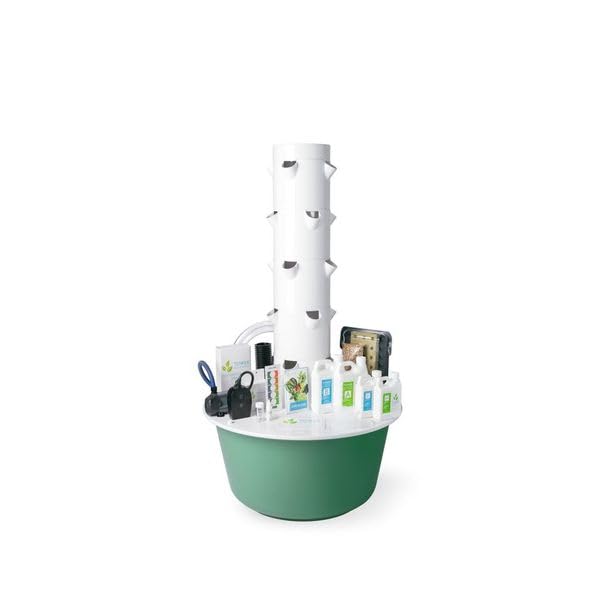
We think this system is a solid choice for anyone who wants a reliable way to grow fresh produce at home with minimal hassle.
Pros
- Straightforward setup with clear instructions
- Holds plenty of plants without taking much floor space
- Comes with plant food and starter kit to get going quickly
Cons
- Needs extra lighting if used indoors
- Pump makes a bit of noise during cycles
- Not the cheapest option compared to smaller systems
We found the assembly process simple, and it didn’t take long before the tower was ready for seedlings. The included starter kit helped us get growing right away, which made the whole experience less intimidating.
The vertical design saves space, and we liked how it fit neatly in a corner without feeling bulky. Having room for 20 plants gave us flexibility to try different greens and herbs at the same time.
During use, the pump worked consistently, though we did notice a light hum when it kicked on. For indoor growing, we needed to pair it with a light kit, which added to the cost but made a big difference. Despite that, the Tower Garden Flex felt dependable and well-built, making it a good option for anyone serious about home gardening.
JPWDDWYT Hydroponics Tower Garden
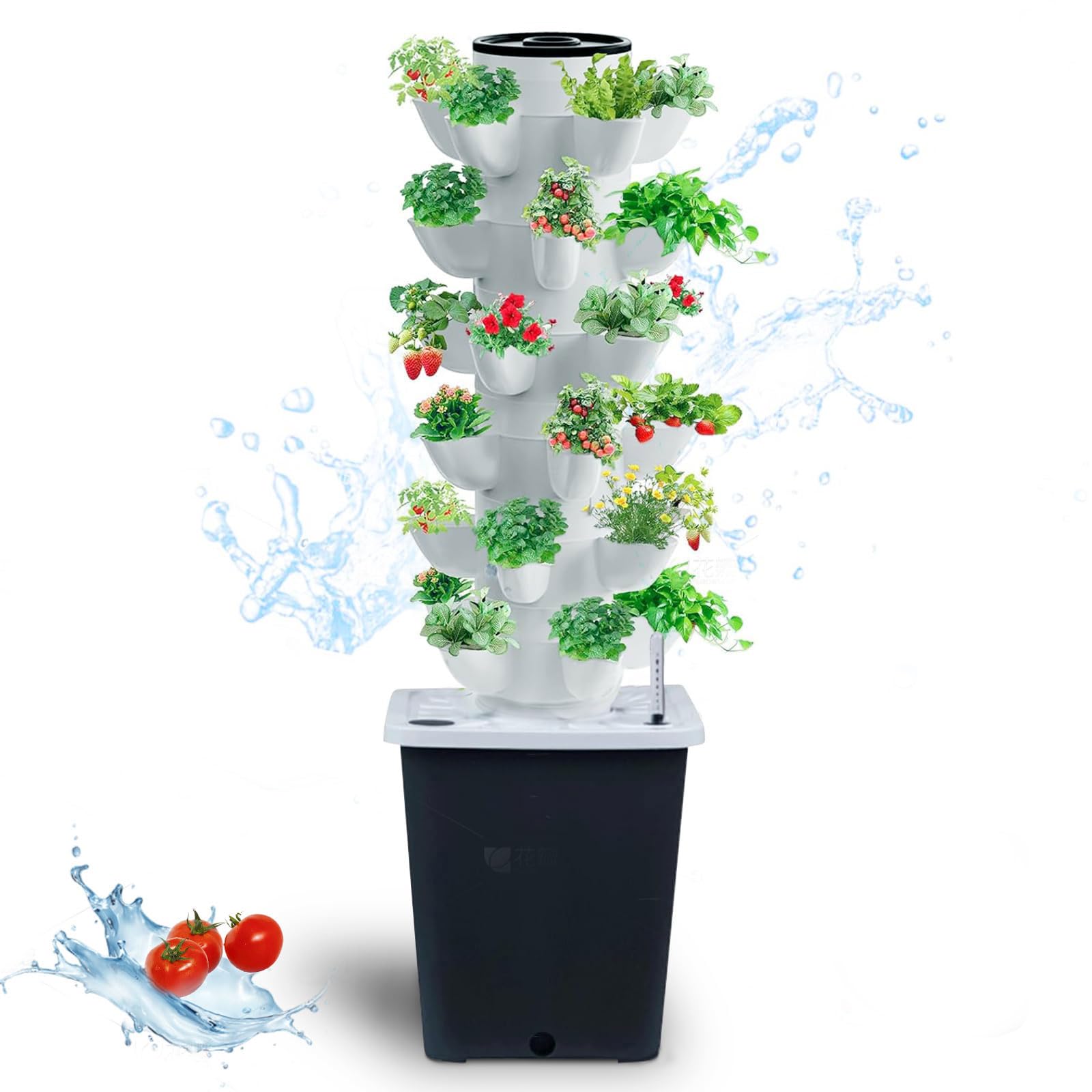
This system is a solid choice for anyone who wants to grow a variety of plants indoors without relying on soil.
Pros
- Fits well in small spaces and easy to move
- Holds up to 30 plants at once
- Automated watering saves time and effort
Cons
Want to Grow Fresh Food at Home?
Grab the Beginner’s Guide to Thriving Gardens—your step-by-step plan to grow real food in any backyard, patio, or balcony. Perfect for first-time gardeners!
Buy the Ebook for $14Includes 7 free bonus guides • Instant download • Beginner-friendly
- Setup takes some patience
- Tank cover feels a bit flimsy
- Works better with seedlings than starting seeds directly
We found the JPWDDWYT Hydroponics Tower Garden easy to manage once it was running. The automatic watering system kept everything consistent, so we didn’t have to worry about missing a day. It’s especially helpful when traveling or during hot weather.
The design makes good use of vertical space. Having 30 planting spots in a compact footprint gave us plenty of room for herbs, lettuce, and a few small vegetables. It looked neat in the kitchen and didn’t feel bulky.
On the downside, setup required some trial and error. The water tank cover didn’t feel as sturdy as we would like, and we noticed it’s best to use starter plants instead of seeds for quicker results. Even with those small drawbacks, the system worked well once established and kept our plants healthy with little daily work.
Generic Hydroponic Tower Garden

This system is a solid choice for anyone who wants to grow many plants in a small space with little effort.
Pros
- Fits a large number of plants without taking up much room
- Easy to set up and maintain once running
- Uses far less water than soil gardening
Cons
- Needs a steady power source for the pump
- Not ideal for very large or tall plants
- Initial assembly takes some patience
We found the tower design practical because it let us grow a variety of herbs and greens without cluttering the floor. The vertical setup made it simple to check on each plant, and the automatic watering cycle kept everything evenly hydrated.
The 20L tank held enough water to keep things running for days, which reduced the need for constant refills. Once the pump started cycling, we noticed how evenly the water spread through all the levels, which made the plants look healthier within a short time.
While the system worked smoothly, we did see that the setup required a bit of time to assemble the layers. After that, though, it ran on its own with little attention. For anyone who wants to grow fresh produce indoors or on a balcony, this Generic Hydroponic Tower Garden is a reliable option.
Buying Guide
When we choose an aeroponic growth system or tower garden, we should focus on the features that match our space, budget, and growing goals. A careful look at size, capacity, and ease of use helps us make the right decision.
We need to think about how much space we have. Some towers are compact for indoor use, while others are taller and better suited for larger areas.
It is also important to check the number of plant sites. A system with more sites lets us grow a wider variety of crops, but it may require more maintenance.
Key factors to compare include:
- Size and height
- Number of plant sites
- Water and nutrient delivery system
- Ease of cleaning and maintenance
- Lighting options
| Feature | Why It Matters | What to Look For |
|---|---|---|
| Size/Height | Fits our space | Compact for indoors, tall for more plants |
| Plant Capacity | Decides how much we can grow | 10–30+ sites depending on needs |
| Water/Nutrient Flow | Affects plant health | Consistent and even distribution |
| Maintenance | Impacts long-term use | Easy to clean and assemble |
| Lighting | Supports growth indoors | LED or full-spectrum options |
We should also consider how much time we want to spend on upkeep. Systems with simple parts and easy access to the reservoir save us effort.
If we plan to grow indoors, built-in lighting or compatibility with grow lights is worth checking. This ensures plants get enough light year-round.
Frequently Asked Questions
We often look at the costs, design, and function of aeroponic tower gardens. We also consider the challenges, growth cycles, and what it takes to build or choose a reliable system.
What are the typical costs associated with setting up an aeroponic tower garden?
We can expect to spend between $500 and $1,500 for a complete aeroponic tower garden, depending on size, materials, and brand. DIY systems may lower costs, but they require more time and technical skill.
How does an aeroponic tower function to support plant growth?
The system suspends plant roots in air and delivers nutrients through a fine mist. This method provides oxygen directly to the roots while supplying water and nutrients in controlled amounts.
What are the common disadvantages of using an aeroponic system for cultivation?
Aeroponic systems require electricity to run pumps and timers, so power outages can harm plants quickly. They also need regular cleaning and maintenance to prevent clogs or root diseases.
How long is the growth cycle for plants in an aeroponic system compared to traditional farming?
Plants in aeroponic systems usually grow 20–30% faster than in soil. Leafy greens may be ready in 3 to 4 weeks, while fruiting crops take longer but still finish earlier than traditional methods.
Can you build a DIY aeroponic tower, and what are the necessary components?
Yes, we can build one using PVC or food-safe plastic pipes, a water pump, a timer, a reservoir, and misting nozzles. Net pots and a sturdy frame are also needed to hold the plants in place.
What factors should be considered when choosing the best hydroponic tower garden system?
We should look at system size, material durability, pump reliability, and ease of cleaning. It also helps to check water efficiency, available replacement parts, and whether the design fits indoor or outdoor use.
Want to Grow Fresh Food at Home?
Grab the Beginner’s Guide to Thriving Gardens—your step-by-step plan to grow real food in any backyard, patio, or balcony. Perfect for first-time gardeners!
Buy the Ebook for $14Includes 7 free bonus guides • Instant download • Beginner-friendly


